

What is a doctor?
A doctor is a person who deals with the prevention, recognition (diagnosis), therapy and follow-up of diseases and accidents.
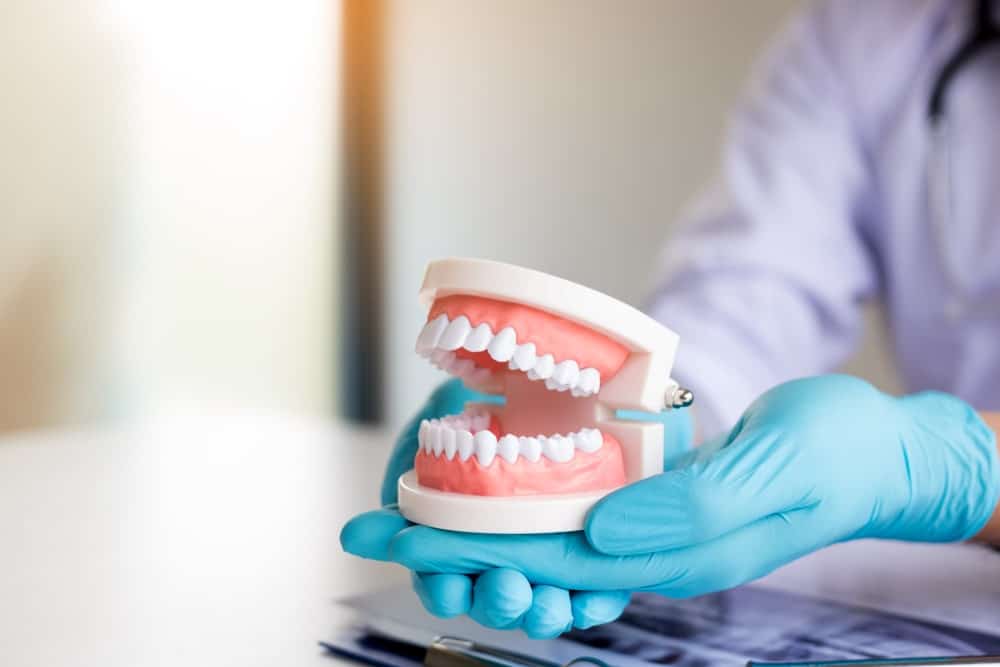
The large number of diseases, as well as the large number of possibilities to treat them, has led to the division of human medicine into several specialties, where dentistry occupies a special position.
In most cases, the role of a doctor is to cure diseases, being one of the oldest professions on earth. The profession of physician comes from the occupation of healer, an occupation that was already practiced by priests in antiquity.
From long experience throughout history, the scientific foundations in which medicine is practiced today have gradually crystallized.
Professional sociology indicates that the medical profession must correspond to a high level of moral ethics, the best-known form being the “Hippocratic oath”, sometimes requiring the method of sorting cases, when the number of wounded or sick is very high, the doctor being overworked or when he’s endangering his own life in the event of a dangerous epidemic.
The doctor is part of the medical staff. In order to be able to practice his profession, he has to study medicine for several years at a medical school, and after graduating from exams and from practice, he receives the approval of a doctor.
The doctor will also have to find a common language with his patients. There are paragraphs in the law that are compelling the doctors to pay material compensation if their treatments have been unsuccessful and have harmed the patient’s health.
The doctor is also compelled to inform the patient about the risky surgeries that he intends to undertake, and which he can perform only after the patient has accepted the surgery.

The role and the importance of having a doctor
The family doctor takes the newborn into his/her care from the day they’re born, periodically examines him and instructs the parents in terms of proper care and nutrition.
They are also responsible for vaccination according to the World Health Organization vaccination schedule. We all have a family doctor, whom we turn to when we need a certificate or referral. But what’s really his/her role?
First of all, the family doctor provides medical and social care to all patients, regardless of age, sex or pathology, and is the link between the community and the national health system.
The family doctor approaches the patient in both health and illness conditions; their role is to monitor and maintain optimal health and promote a healthy lifestyle, detect a chronic disease in its early stages and to prevent and treat the complications of a condition.
They are the first in line when it comes to finding acute and infectious-contagious diseases, offer personal advice to the adolescent during puberty, supports the adult when starting a family, follow the pregnant woman and give her the opportunity to register the newborn on her own list, and performs regular examinations of balance sheets meant to detect early diseases associated with adulthood and senescence.
The reorientation of health care towards more efficient, less expensive and more accessible mass medicine has given a new dimension to the family medicine specialty and at the same time has led to the rediscovery of the essential role of the general practitioner, respectively the family doctor.
If necessary, the family doctor becomes a health manager, a medical coordinator for the patient – he knows all his medical history and can guide him to the best treatment solutions, depending on the recommendation of specialists and his specific situation, but also his preferences.
It is vital for the patient to have a person who integrates all the medical information provided by specialists, translates it into his language, explains the options and gives him informed and objective advice on the best method of treatment.
Last but not least, the family doctor is the patient’s counselor, confidant and psychotherapist, displaying real availability, even after the end of the work schedule, through access to the phone and even home visits.
Doctor-patient relationship
The concept of a “doctor-patient relationship”, which is the nucleus around which the medical act takes place, must be approached in a different light, in which due importance should be given to both parties. The doctor and the patient must team up, and be on the same side.
Open communication, sincerity and mutual respect are needed.
Looking at this relationship from a doctor’s perspective, they should consider respecting their goals such as: confidentiality, total focus on the patient during the consultation, constant concern for patient comfort, respect for the patient and his relatives, patience, compassion and empathy.
At the same time, it is imperative that the doctor proves to be a very good psychologist and adapt to each patient.
From the patient’s point of view, there should be no fear of exposing all the information that helps to diagnose and fix the treatment.
Patient information should be presented as objectively and openly as possible.
Doctors are often confronted with the patient’s refusal to show them previous medical documents, on the one hand understandable, due to the need to make sure once again on a previous diagnosis, as well as the need to obtain correct information, without being induced in error in the decisions of other doctors.
Essential things your doctor should know about your health
1. Do you smoke?
2. What’s your “relationship” with alcohol?
3. Do you take recreational or hard drugs?
4. What prescription medications do you take?
5. What non-prescription medications do you take?
6. What’s your medical history?
7. What’s your family’s medical history?
8. What’s your surgical history?
9. Do you have any allergies?
10. Do you have any chronic conditions?
11. What’s your mental state?
12. Have you suffered any trauma in the past?
13. Do you have any mental health conditions?
14. Do you have an active intimate life?
15. Have you served in the army?
With that being said, it’s extremely important to be 100% honest with your doctor, because that’s the only way he can help you in order to find out a diagnosis or in order to receive proper treatment for a certain condition.

Share any symptoms you might have
A symptom is proof of a disorder or disease in the body. Symptoms can include fever, pain, a bump or lump, unexplained weight gain or loss, or difficulty falling asleep. Be clear and concise when you describe your symptoms to your doctor. This will help them identify the issues.
A physical exam and medical tests can provide a lot of valuable information. But your signs will point the doctor in the right direction.
They’ll ask when your symptoms began, the time of day they usually occur, how long they last, how often they happen, if they seem to be getting better or worse, and if they keep you from doing your usual activities or going out.
We recommend you take the time to write down some notes about your symptoms before you visit or call the doctor. And remember that worrying about your symptoms isn’t a sign of weakness.
Being honest about what you’re going through doesn’t mean you’re complaining. Your doctor needs to know how you feel.
Here are some questions to ask yourself about your symptoms:
-What exactly are they?
-Are they constant? If not, when do you experience them?
-Does anything you do make the symptoms better or worse?
-Do these symptoms affect your daily activities? How? Which ones?
Next read: 7 Subtle Signs You Have a Weak Immune System








Leave a Reply