
We can all agree that smoking is plain bad for all of us. However, did you know that even if you don’t smoke, you’re still at risk for some extremely serious smoke-related health issues? Smoking doesn’t affect only the ones who smoke, according to some very advanced research.
As it turns out, it also has a great impact on their families, pets, friends, co-workers, and even strangers who breathe the same smoke-filled air. Some states try to protect their citizens with well-established smoke-free laws, prohibiting smoking in public spaces and workplaces, including restaurants and bars.
However, there are still 22 states that simply lack comprehensive smoke-free laws, which leaves millions of people in the United States vulnerable to secondhand smoke and all the deadly diseases it causes. Here’s what you need to know about it:
How harmful is it?
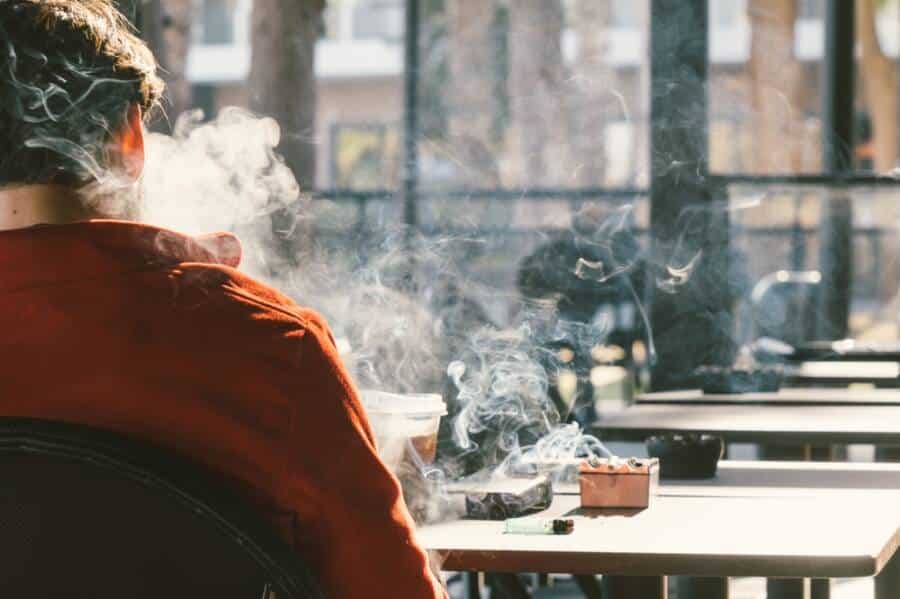
Smoke from burning tobacco has a ton of harmful chemicals or toxins. You don’t even have to smoke, as only inhaling other people’s smoke might force you to breathe those toxins. Smoke from the end of a burning cigarette, cigar, or pipe is unfiltered.
It can even contain more harmful toxins than tobacco smoke that someone is breathing out. There are more than 7,000 chemicals in tobacco smoke. Around 69 of these chemicals are known to cause cancer, and about 250 of the chemicals are known to be harmful to your health. Some of these harmful chemicals in tobacco smoke could include:
- benzene: a chemical in gasoline;
- butane: a chemical in lighter fluid;
- ammonia: a chemical in household cleaning products;
- toluene: a chemical found in paint thinner;
- cadmium: a chemical in batteries;
- formaldehyde: a chemical in fertilizer, embalming fluid, and building materials.
What are the effects of second-hand smoke?
Smoking is even worse for your health than secondhand smoke, obviously. However, secondhand smoke is also more harmful than many would even imagine. People who breathe in secondhand smoke can still be affected by the chemicals in the smoke.
Secondhand smoke and adults
Secondhand smoke damages your body in so many different ways. Adults exposed to secondhand smoke could experience:
- cardiovascular diseases such as high blood pressure, arteriosclerosis, heart attack and stroke;
- lung problems like chronic obstructive pulmonary disease (COPD) and asthma;
- increased risk of lung cancer and breast cancer;
- reproductive health issues like low birth weight (when exposure takes place during pregnancy)
Studies also have proved that you’re up to 30% more likely to develop heart disease if you are exposed to secondhand smoke on a regular basis.
Secondhand smoking and children
Children and infants are at great risk for health issues due to secondhand smoke, especially since their bodies are still developing. Some of them might be more likely to experience:
- constant coughing, sneezing, shortness of breath, or any other breathing issues;
- frequent and chronic ear infections;
- frequent and severe asthma attacks;
- respiratory infections, like bronchitis and pneumonia;
- damage to their eyes and teeth;
- SIDS (sudden infant death syndrome);
- increased risk of brain tumors and lung cancer;
Given all these dangers, the best thing you can do for the little ones and your family is to quit smoking. You should also ask your healthcare provider for more recommendations on how to best quit smoking.
How long can you be exposed to secondhand smoke?
There’s really no such thing as safe exposure to secondhand smoke. Studies have proved that damage from secondhand smoke can take place in only five minutes, and inflammatory and respiratory responses take place right away after five minutes (when arteries are less flexible, just as in a person who smokes regularly), after 20-30 minutes (when blood start clotting, and fat deposits increase your risk of heart attack and stroke); and after two hours (when an irregular heartbeat could develop and trigger a heart attack or other serious cardiac issues).
How long does it stay in a room?
Secondhand smoke can linger in a room for as much as five hours. In fact, it can even travel through stairwells and ventilation units. This also means people who live in apartment buildings risk exposure to smoke without even leaving their homes. Particles from tobacco smoke can also settle on surfaces and last for many months in a row. This is also known as thirdhand smoke.
Who’s the most at risk of damage?
Secondhand smoke affects anyone close to burned or exhaled tobacco, but some groups are way more at risk for damage, such as:
- service industry workers (such as restaurant servers and bartenders): anyone who works in public smoking areas might even be unable to avoid secondhand smoking.
- infants, children and pets: young children and animals won’t always choose to leave a room filled with smoke. The constant exposure also increases the harmful effects of secondhand smoke.
- pregnant people: secondhand smoke could affect a fetus, since it makes allows for less oxygen.
Can you get cancer from it?
Yes, it is possible for secondhand smokers to suffer from cancer. According to the Centers for Disease Control (CDC), secondhand smoke causes over 7,300 lung cancer deaths every year among U.S. adults who don’t smoke.
How can you protect yourself from secondhand smoke?
One of the most efficient ways to avoid exposure is to stay away from areas where people might smoke. This also means avoiding venues and spaces where people are allowed to smoke. Open windows and air filters don’t remove all secondhand smoke.
However, they might help a little by lowering some of the toxins found in burning tobacco. It’s still OK to ask people not to smoke in your car or your home. Other ways in which you can protect yourself from secondhand smoke also include moving away from the smoke and finding a smoke-free place to stand or sit.
Another good idea is to visit venues or areas where smoking is prohibited, making sure your guests know they can’t smoke, but also not to allow passengers to smoke in your car (even if the windows are down).
The number of people who smoke tobacco products has gone down over the last decades. Even so, one survey found that 1 in 4 people who don’t smoke say they still breathe in secondhand smoke. Remember, the only efficient way to fully protect yourself is to stay far away from people who are smoking.
What’s the outlook for someone who’s always exposed to secondhand smoke?
Constant exposure to secondhand smoke can severely damage your heart and lungs. The most efficient way to stay healthy is to simply avoid secondhand smoke. Fortunately, most cities ban smoking in public due to being more aware of its dangers. These bans lower, but don’t completely remove the risk for secondhand smoke exposure.
When should I see a healthcare specialist?
You should consider checking with your healthcare providers if you know you’re a regular secondhand smoker. You can also ask about secondhand smoke dangers and ways to maintain your health. If you develop heart disease or breathing issues due to constant secondhand smoke exposure, just talk to your provider about management options.
Your healthcare provider could treat specific symptoms and diseases caused by secondhand smoke exposure. For instance, you could need medications to manage high blood pressure or inhalers to treat asthma or even COPD.
Now, if you are surrounded by smokers, you can’t just stop seeing them. But what you can do is gift them one of these purifier smokeless ashtrays! You will be perceived as a great friend and you will also protect your health. What a combo, right?
If you found this article useful, we also recommend checking: 12 Delicious Foods That Are a Must During the Winter






Leave a Reply