
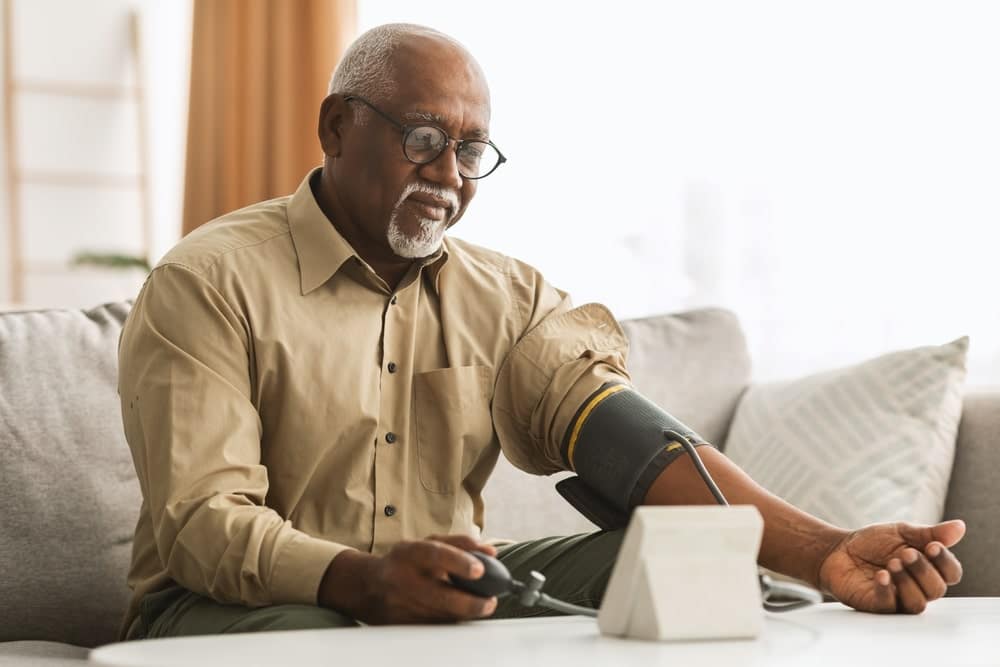
High blood pressure is a very serious condition, but it’s one that generally has no symptoms until plenty of damage has been done. Given all this, it is often very hard for patients to comply with their medication regimen.
If you forget to take a pill, don’t expect to spot returning or worsening symptoms, which, in my opinion, only complicates everything. There’s often a feeling of “no big deal” you might have when you miss an occasional dose or even stop taking the medication altogether.
However, high blood pressure medication is generally taken for life, even if some drugs need to be discontinued or even changed during pregnancy. Some people could also be able to taper off the medication or even stop it altogether if they manage to make much-needed adjustments to their lifestyle.
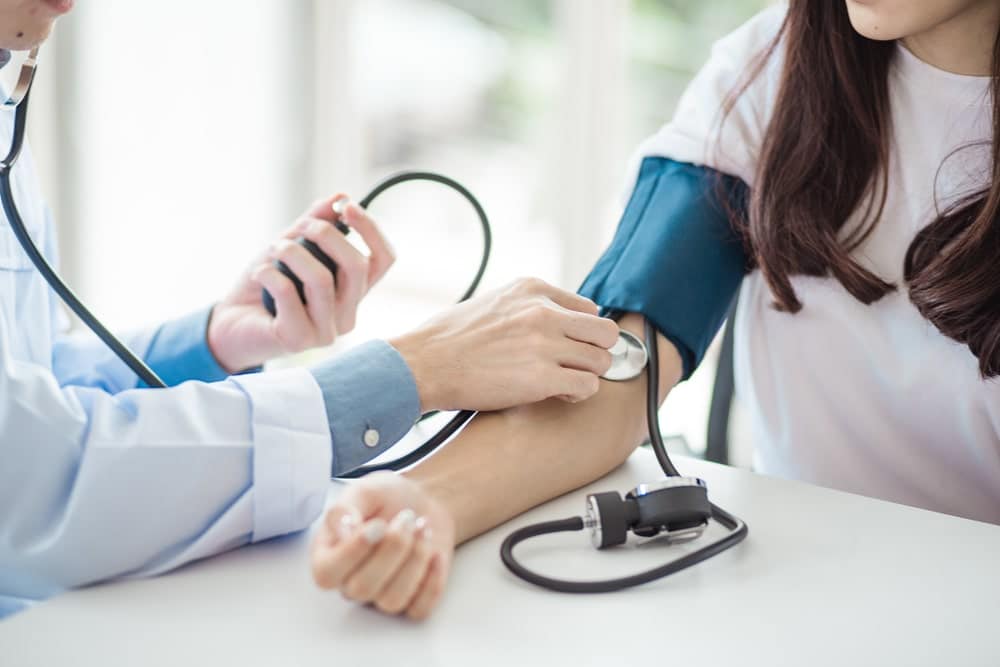
What happens if you skip a dose of your high blood pressure meds?
If you skip a dose, you might want to take it as soon as you remember, unless you’re getting closer to taking your next one. Missing a single dose is definitely less harmful than overdosing. It also helps you take your medication at the same time every day and connect it with another part of your routine.
This could also mean taking day meds in the morning with breakfast, but also keeping night meds next to your toothbrush. Besides taking your medications at the same time of the day, it could also be useful to take them at a certain time of the day, which could be recommended by your doctor. One major trial even showed that taking your medications at bedtime will reduce your risk of suffering from a heart attack.
What if I stop taking them for a couple of days?
It’s very important not to stop taking your pills, even for a couple of days, at least not without first consulting with your doctor. In some instances, they could ask you to discontinue your medication for a short period of time so they can make a better assessment of whether or not you’d be better without it.
But it is much more common to reduce your dosage and see if you don’t need to take as much. In the long term, the hope is to reduce your dosage and assess the impact of any other lifestyle changes. Full discontinuation is oftentimes needed when your blood pressure has dropped too low due to illness, and this might be a temporary solution until you recover.
Some blood pressure medications might cause withdrawal symptoms that are generally mild, but on occasion, they might turn serious. The latter form is known as “withdrawal syndrome,” which stands for an overactivity of the sympathetic nervous system that could further cause symptoms like headaches, anxiety, tachycardia, agitation, nausea, a rapid increase in blood pressure, and myocardial ischemia.
What are the consequences of stopping taking your medication altogether?
It can be rather tempting to stop taking medication if you feel more than fine, especially if your blood pressure looks good. Unfortunately, the reason why you feel fine and your blood pressure looks good is that you’re currently on medication.
As with many other chronic conditions, lifelong medication might be needed to maintain your blood pressure in the normal range. Not taking your medication might cause your blood pressure to get out of hand.
This could also cause a serious number of issues, such as permanent damage to your arteries, an increased risk of aneurysm or coronary artery disease, enlargement of the left side of your heart, heart failure, an increased risk of stroke, vascular dementia, or mild cognitive impairment.
What happens if you take too much?
If you’re not 100% sure whether you took your medication or not, it’s very possible you’ll end up taking a double dose. The consequences depend on the specific medication you’re currently on. Here are some of the side effects of overdosing on common blood pressure medications.
Beta-blockers
- difficulty breathing
- blurred and double vision
- irregular heartbeat
- lightheadedness
- rapid and slow heartbeat
- shock from extremely low blood pressure
- heart failure
- weakness
- nervousness
- drowsiness
- excessive sweating
- convulsions
- confusions
- fever
- coma (And yes, it might happen.)
Thiazide
- weakness
- dizziness
- dry mouth
- extreme thirst
- nausea
- muscle pain
- Amlodipine
- dizziness
- hyperglycemia due to reduced insulin release
- abdominal pain
- nausea
- oliguric renal failure
- pulmonary edema
- refractory shock
- death
ACE inhibitors
- extreme hypotension
Will you ever be able to stop taking the medication?
There’s no current cure for high blood pressure, so most people need to take medication for life. However, others might be able to stop and reduce the dosage if they manage to lower their blood pressure through lifestyle changes.
Even though other lifestyle factors could also matter, there’s one common contributory factor to reducing high blood pressure, and that is weight loss. As obesity definitely takes a toll on blood pressure, reaching a healthy weight might be more than enough to lower your blood pressure to the recommended range.
It’s also important to note that such lifestyle changes need to be kept in mind, for example, if you want your blood pressure to be kept under control. There are also other positive measures that you could take, such as giving up smoking and making dietary changes.
These things also play a role in normalizing your blood pressure. In some instances, doctors could stop blood pressure medication for older individuals, especially when it comes to those who are living in nursing homes.
That’s mainly because the risk-benefit ratio could be different, meaning that the side effects presented by the drugs could be more dangerous than the risk that hypertension imposes. Someone who is very frail is at a higher risk of falling.
Blood pressure-lowering medications could also lead to postural hypotension and dizziness, which would further increase the risk of falling. Another reason why you might want to consider not taking your medications anymore is to fix a condition that might have caused high blood pressure.
For instance, obstructive sleep apnea might cause secondary hypertension. In this case, you might need to take your medications for a while, but your blood pressure could rapidly return to normal after your sleep apnea is brought under control with a CPAP machine or any other method.
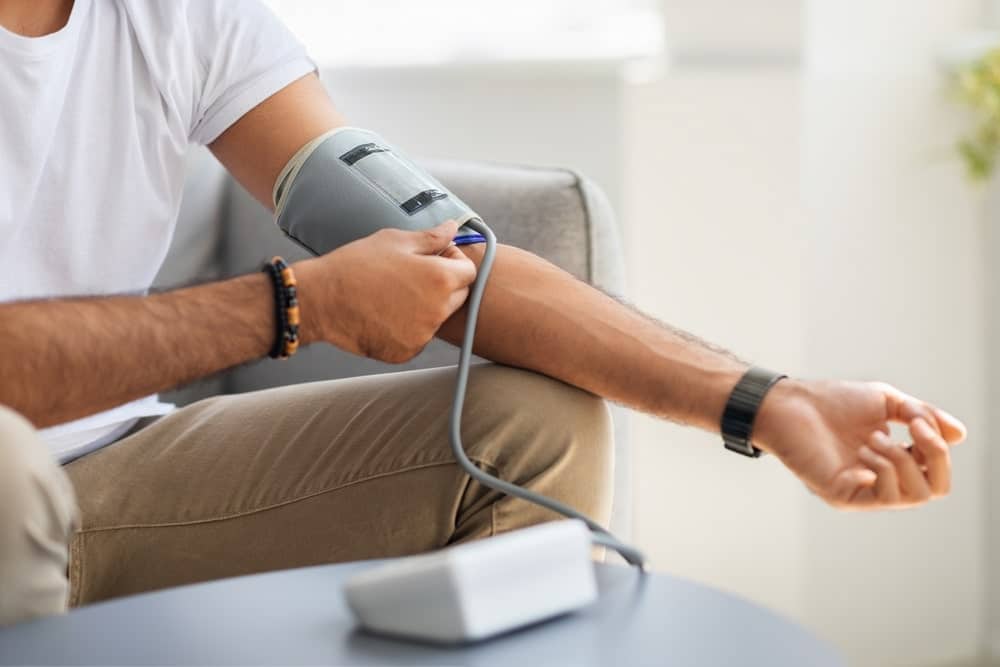
How long do blood pressure medications stay in your system?
Generally, they don’t stay for long. Some drugs might be in your system for days, while others usually wear off in a couple of hours. This emphasizes how important it is to avoid skipping a dose.
As most modern blood pressure medications are meant to be taken once a day, they could still wear off through the day, and your doctor could work with you on the best time to take the medication. This might be during the night, but in case you experience side effects that keep you up, they could switch the time for that specific medication to the morning.
Takeaway
As a general rule, you need to take any medication prescribed to you along with the instructions from your doctor. Blood pressure medications are really no different. With high blood pressure being a lifelong condition, it is highly important to follow your medication regimen.
It can be tempting to stop taking those medications because you feel just fine and your blood pressure is in the normal range. However, it can also be deceptive, especially since wellness is facilitated by medications. It’s also important to stick to the plan since it can help prevent skipping or even overdosing on the medication. Also, if you have problems with your blood pressure, you might need a portable monitor to carry with you wherever you go.
If you found this article useful, we have many others in store: 12 Delicious Foods That Are a Must During the Winter




Leave a Reply