
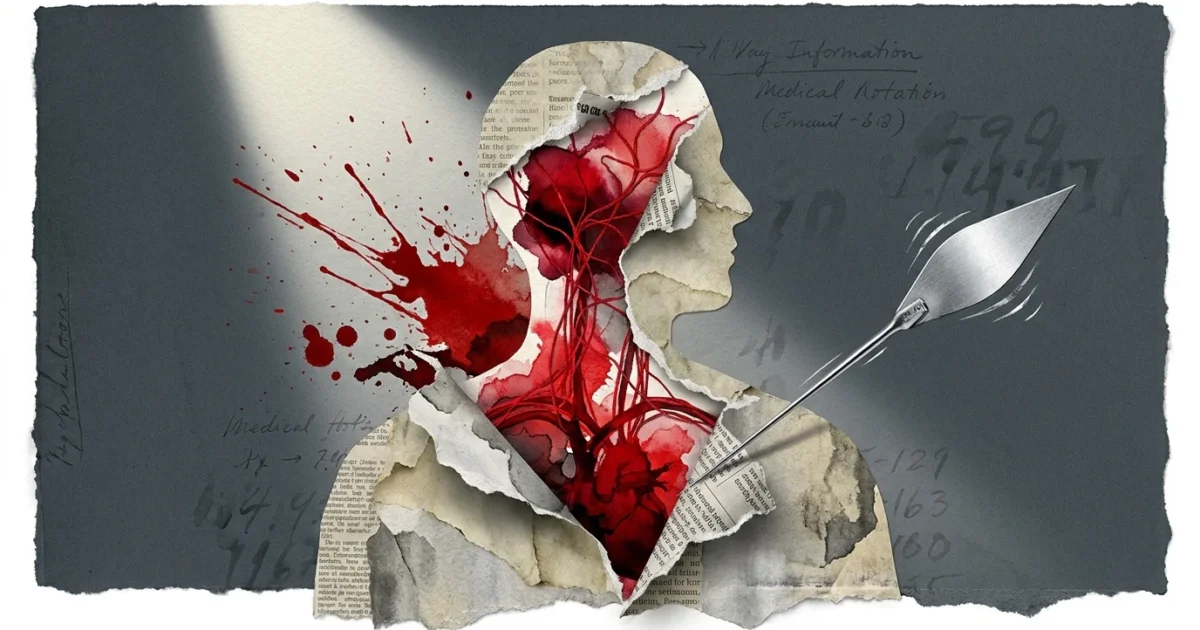
High blood pressure stands as one of the most prevalent conditions among older adults, yet it remains profoundly misunderstood. You might assume that a condition capable of inflicting so much physical damage would naturally announce itself with unmistakable daily symptoms. Unfortunately, this misconception leaves millions of seniors vulnerable to cardiovascular events. Medical professionals refer to hypertension as the silent killer because it degrades your blood vessels over decades without providing a single physical clue. You cannot rely on how you feel to determine the force of your blood flow. However, when blood pressure spikes to dangerous extremes—typically reaching systolic readings above 180 or diastolic readings above 120—your body enters a state of hypertensive crisis. At this critical threshold, physiological alarms will finally sound. Recognizing these distress signals can mean the difference between securing medical intervention and suffering a devastating stroke.
If you or a loved one experiences any of the following five warnings, abandon the wait-and-see approach. These manifestations indicate that the pressure inside your arteries has overwhelmed your body’s compensatory mechanisms, requiring emergency evaluation.
1. Severe and Sudden Headaches. A typical tension headache develops gradually, but a hypertensive headache strikes with terrifying force. When your blood pressure skyrockets, the dramatic increase in intracranial pressure forces delicate blood vessels in your brain to aggressively expand. This rapid stretching irritates sensitive nerve endings wrapped around your cranial arteries, producing relentless agony that concentrates at the base of your skull or behind your eyes. Unlike ordinary headaches that respond to hydration or mild pain relievers, a headache driven by a severe hypertensive crisis will persistently throb and typically worsens if you lie down. Never dismiss this profound level of head pain as just another ache of the aging process.
2. Visual Disturbances and Blurry Sight. Your eyes contain an intricate network of microscopic blood vessels designed to supply continuous oxygen to your retina. These tiny vessels remain vulnerable to the mechanical force of uncontrolled high blood pressure. During a severe hypertensive episode, intense systemic pressure causes these fragile ocular vessels to violently spasm, leak fluid, or bleed into the back of your eye. You might suddenly notice your visual field becoming blurry, hazy, or strangely dim. You could see dark floating webs, sudden flashes of light, or experience partial vision loss. Ophthalmologists frequently detect the early ravages of high blood pressure during routine eye exams by observing these exact vascular changes.
3. Unexplained Shortness of Breath. While you might naturally lose a fraction of your cardiovascular stamina as you age, you should never struggle to draw a satisfying breath while resting. When blood pressure remains severely elevated, your heart must pump against intense systemic resistance to push blood through stiffened arteries. This excessive workload acts like heavy weightlifting for your cardiac tissue, causing your heart muscle to thicken, stiffen, and lose its elastic pumping rhythm. A stiff heart muscle cannot relax fully between beats; consequently, blood and fluid rapidly back up into your delicate lung tissue. You will experience this fluid accumulation as a terrifying shortness of breath or suffocating sensation.
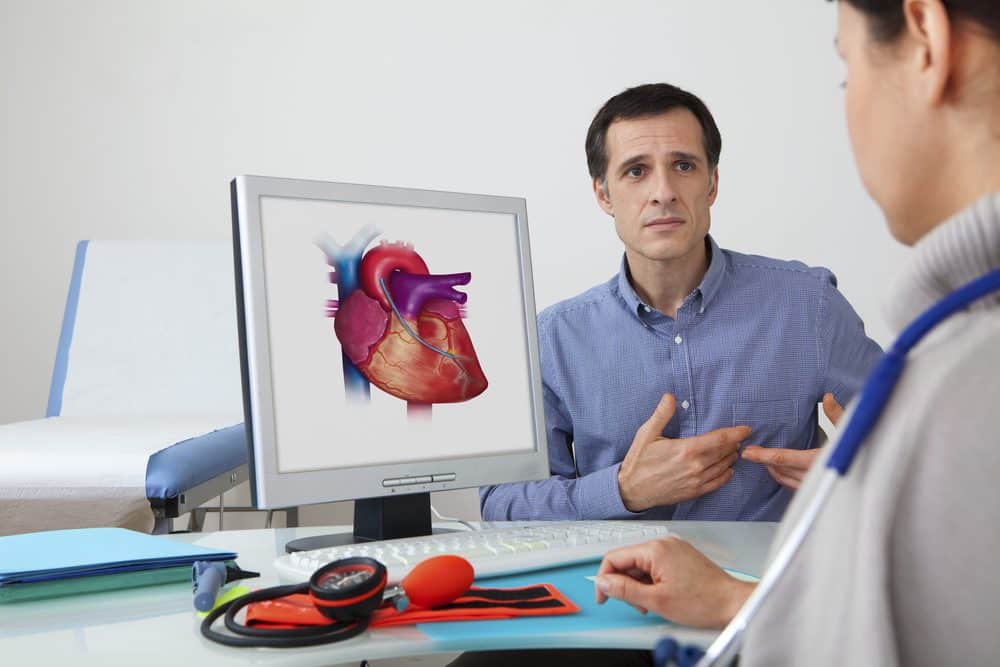
4. Crushing Chest Pain or Pressure. Chest pain rightfully demands immediate medical scrutiny, yet many older adults fail to realize it frequently serves as a primary warning sign of a hypertensive emergency. Your heart muscle relies on an uninterrupted supply of oxygen-rich blood delivered through your coronary arteries. When blood pressure suddenly surges, your heart must work at maximum capacity, drastically increasing its demand for oxygen. If your coronary arteries suffer from age-related plaque buildup, they simply cannot deliver enough blood volume to meet your heart’s desperate demand. This critical mismatch triggers angina, presenting as a crushing weight, a tight band, or a burning sensation deep in the center of your chest.
5. Profound Fatigue and Sudden Confusion. High blood pressure exerts a massive systemic toll on your entire body, and your aging brain remains exquisitely sensitive to drastic fluctuations in blood flow. When pressure levels skyrocket into the crisis zone, your protective blood-brain barrier can become compromised, allowing fluid to inappropriately leak into brain tissue and cause dangerous swelling. This swelling manifests externally as sudden, profound fatigue, crippling brain fog, or acute confusion. You or your primary caregiver might suddenly notice that you are struggling to find common words, feeling entirely disoriented, or experiencing weakness on one side of your face. Caregivers sometimes tragically mistake these sudden cognitive declines for the inevitable onset of dementia.
Understanding the Condition: Causes and Diagnosis
High blood pressure in the senior population frequently presents in a specific form known clinically as isolated systolic hypertension. You might review your vital signs and notice that the top number on your reading remains stubbornly elevated, while the bottom diastolic number stays in a normal range. This widening gap between your two numbers occurs primarily because major arteries progressively lose their youthful elasticity over the decades. Your blood vessels become increasingly stiff and rigid, forcing your heart to push blood through unyielding vascular pipes. This specific arterial stiffness represents a tremendous risk factor for debilitating strokes and heart disease in seniors.
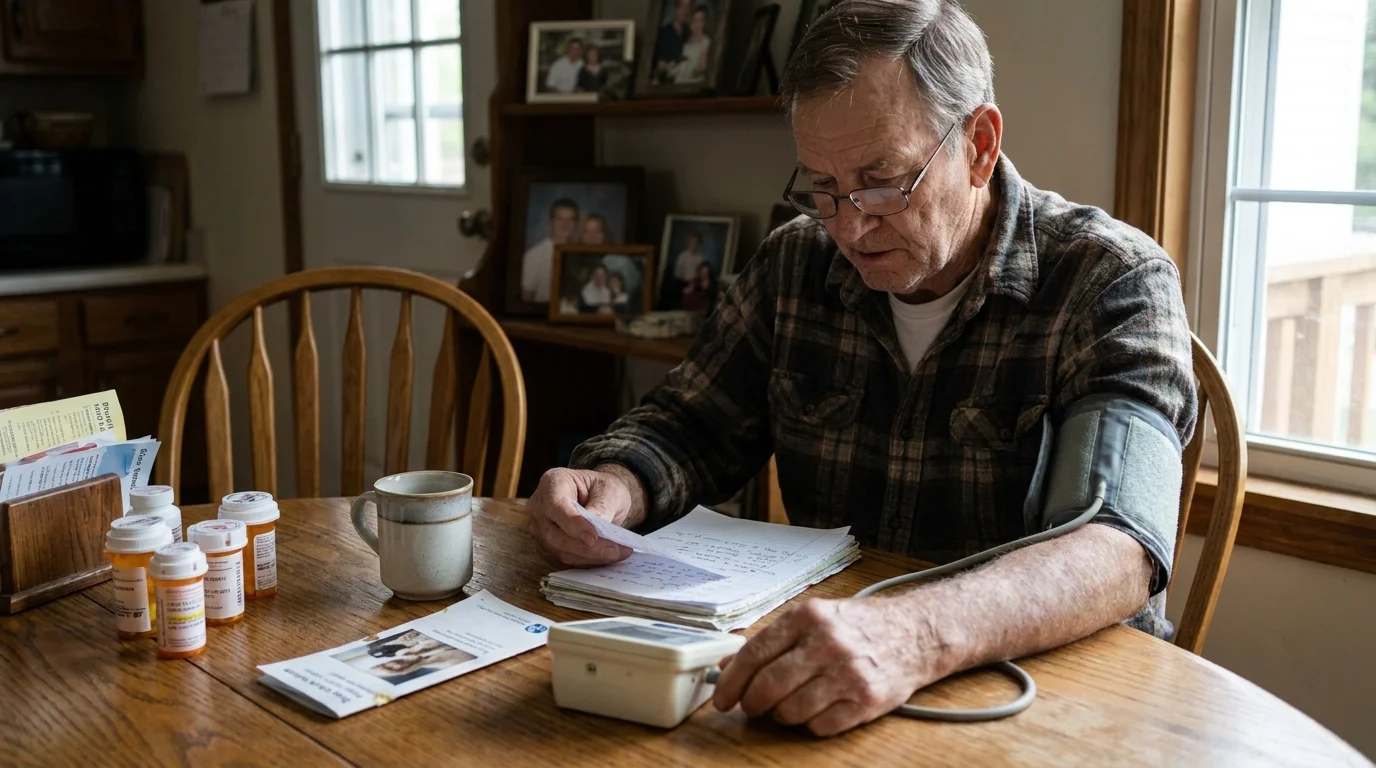
To accurately diagnose your specific degree of hypertension, your healthcare provider will take multiple readings over several consecutive office visits. Because the anxiety of navigating a doctor’s appointment can artificially inflate your vital signs—a common phenomenon known as white coat hypertension—your physician might recommend 24-hour ambulatory blood pressure monitoring. This diagnostic approach involves wearing a specialized, portable cuff that automatically inflates at regular intervals throughout the day and night as you go about your normal routine. You can access extensive educational materials regarding proper measurement techniques through patient resources provided by the American Heart Association.

The Treatment Landscape: Managing Senior Hypertension
When approaching the complex task of treating high blood pressure in older adults, medical professionals deliberately employ a careful, individualized step-by-step methodology. Because aging bodies metabolize pharmaceutical drugs differently and face a higher risk of adverse side effects, your doctor will likely start your treatment with a very low dose of medication before gradually adjusting it. The most prevalent pharmacological interventions include reliable thiazide diuretics, which effectively assist your kidneys in flushing excess sodium and water from your bloodstream. Calcium channel blockers serve to gently relax the muscle cells embedded in your arterial walls, allowing stiffened blood vessels to widen and naturally reduce internal pressure.
Beyond prescription medication, you hold personal power to actively lower your blood pressure through deliberate lifestyle modifications. The Dietary Approaches to Stop Hypertension—widely known as the DASH diet—aggressively emphasizes fresh fruits, leafy vegetables, whole grains, and lean proteins while strictly limiting dietary sodium, saturated fats, and hidden added sugars. According to extensive nutritional research made available through the National Heart, Lung, and Blood Institute, strictly adhering to the DASH dietary protocol can lower your resting blood pressure just as effectively as a daily prescription medication. Additionally, actively protect your aging heart by engaging in regular, moderate aerobic exercise.

Living Well With High Blood Pressure
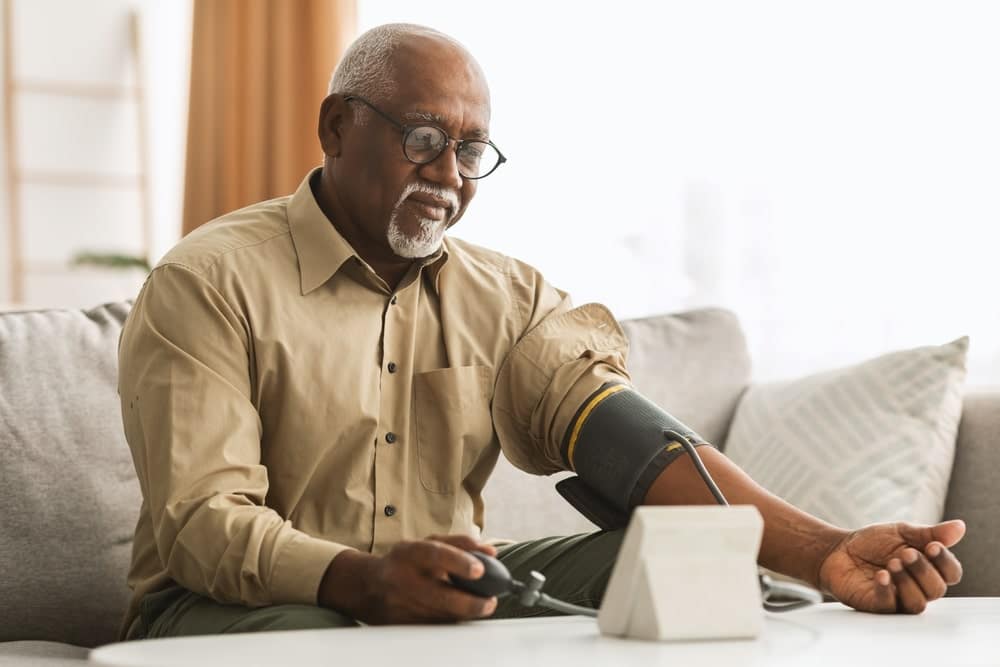
Successfully managing chronic hypertension requires dedicated, daily participation from both you and your immediate circle of caregivers. You cannot simply swallow a morning pill and subsequently forget about the state of your cardiovascular health. One of the absolute most practical steps you can take involves purchasing a clinically validated home blood pressure monitor. Utilizing a properly fitted upper-arm cuff rather than a convenient but notoriously inaccurate wrist monitor consistently provides the most reliable cardiovascular readings. Establish a firm routine to check your blood pressure at the exact same time each morning, making sure to rest quietly in a supportive chair with your feet placed flat on the floor for at least five minutes before pressing the start button.
If you regularly rely on dedicated caregivers or adult children for daily assistance, deeply involve them in your ongoing monitoring routine. Establishing open, honest communication with your entire healthcare team ensures that everyone remains perfectly aligned regarding your long-term treatment goals. Patient advocacy groups, such as the National Council on Aging, offer excellent community resources and localized support programs carefully designed to help you navigate the daily logistical challenges of living with a chronic cardiovascular condition.
Frequently Asked Questions
How can I easily distinguish between severe high blood pressure warning signs and normal aging?
Normal biological aging might occasionally bring about mild afternoon fatigue or temporary joint aches; however, the explicit warning signs of a severe hypertensive crisis strike your body suddenly and with terrifying intensity. Severe, throbbing head pain, sudden unexplained visual changes, and frightening shortness of breath while resting are absolutely never normal aspects of growing older. Treat any sudden, extreme physical or cognitive change as a highly potential medical emergency.
What immediate steps should I take if my home blood pressure reading appears unusually high?
If your digital home monitor suddenly displays a terrifying systolic reading over 180 or a diastolic reading over 120, remain completely calm, wait exactly five minutes, and quietly check it again. If the second reading remains critically elevated but you currently feel perfectly fine, contact your primary care doctor immediately for professional guidance. Conversely, if that high reading is accompanied by sudden chest pain, shortness of breath, a severe headache, or profound confusion, call emergency medical services right away.
Will my Medicare benefits or private health insurance cover the cost of a home blood pressure monitor?
Medicare Part B generally covers professional ambulatory blood pressure monitoring specifically ordered by a physician to definitively diagnose hypertension. Unfortunately, standard Medicare rarely covers the upfront cost of a basic home blood pressure cuff intended for everyday personal monitoring. Thankfully, numerous Medicare Advantage plans do offer specific annual allowances for home medical equipment.
Are there any new, emerging medical breakthroughs that can permanently cure hypertension?
Currently, no single permanent cure exists for chronic, age-related hypertension. Nevertheless, cardiovascular medical research constantly and rapidly evolves. Exciting new clinical trials are aggressively exploring innovative, minimally invasive treatments, such as renal denervation, which actively targets overactive sympathetic nerves located in the kidneys to naturally lower blood pressure. Regularly review the latest clinical guidelines and exciting emerging research through the American College of Cardiology.
Taking Charge of Your Cardiovascular Health
High blood pressure certainly presents a formidable daily challenge, but this common condition absolutely does not have to dictate the ultimate quality or joy of your senior years. By deeply understanding and respecting the severe warning signs—from violently pounding headaches to sudden, terrifying breathlessness—you effectively empower yourself to act swiftly and decisively in a true medical emergency. This information serves strictly as an educational resource to guide your health journey and support your clinical conversations. Enthusiastically schedule regular checkups with your doctor, openly discuss any new physical symptoms, and adhere meticulously to your tailored treatment plan to protect your heart and preserve your vital independence.





Leave a Reply