

Recognizing the unusual symptoms of rheumatoid arthritis early protects your joints from irreversible damage and prevents systemic complications from threatening your organs. While most people associate this autoimmune condition exclusively with stiff, swollen knuckles or aching knees, the disease often orchestrates a silent attack throughout your entire body before severe joint destruction begins. You might dismiss profound fatigue, chronic dry eyes, or unexplained fevers as everyday stress or seasonal allergies, but these systemic warning signs demand immediate medical attention. Paying close attention to these subtle, non-joint manifestations gives you a critical window of opportunity to secure an accurate diagnosis, initiate targeted treatments, and preserve your long-term mobility and independence.
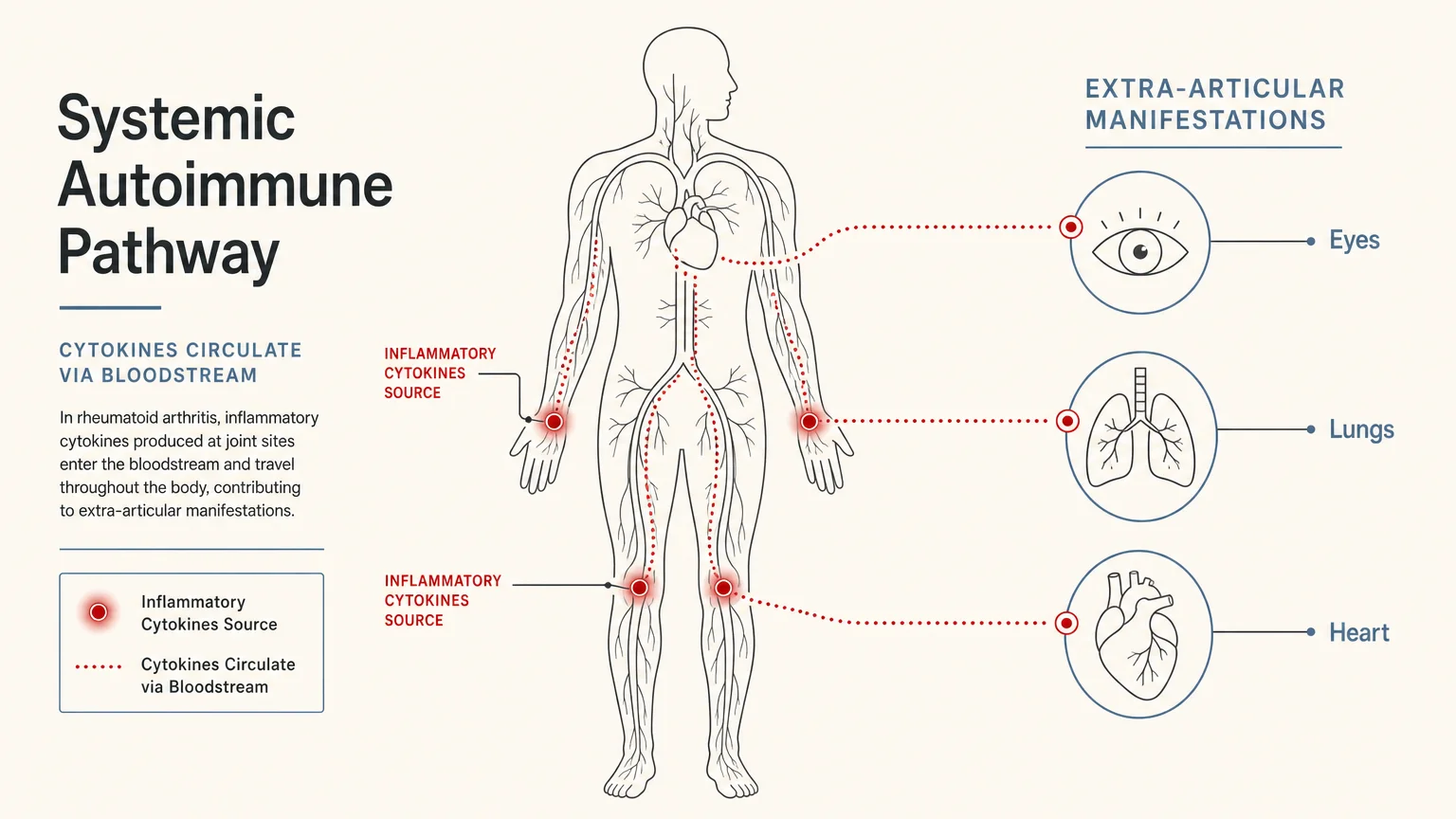
The Science Snapshot: Why Rheumatoid Arthritis Travels Beyond the Joints
Rheumatoid arthritis operates as a systemic autoimmune disease, meaning your immune system mistakenly identifies healthy tissues as foreign invaders. According to the World Health Organization, a significant percentage of people diagnosed with rheumatoid arthritis experience extra-articular manifestations—symptoms occurring outside the joints. This happens because the inflammatory cytokines driving joint swelling circulate freely through your bloodstream, reaching your lungs, heart, or eyes. Medical researchers understand that catching these systemic signals early drastically alters your disease trajectory. A proactive approach to identifying unusual symptoms speeds up a definitive diagnosis, allowing you to begin disease-modifying therapies before permanent joint erosion occurs. Access to early diagnostic care frequently depends on geographic location and health literacy. Rural populations often face delays in rheumatology referrals, making self-advocacy vital when subtle warning signs appear. Understanding the full scope of this condition empowers you to piece together seemingly unrelated health issues into a coherent clinical picture.

Unmasking the Atypical Symptoms
Ocular Threats and Salivary Dysfunction
Chronic eye inflammation serves as one of the most frequent indicators of systemic autoimmune activity. You may experience persistent dryness, a sensation of grit under your eyelids, or sudden sensitivity to bright light. These symptoms frequently stem from secondary Sjogren’s syndrome, a condition recognized by the National Institute of Arthritis and Musculoskeletal and Skin Diseases where your immune system attacks moisture-producing glands. Beyond simple dryness, severe rheumatoid arthritis triggers scleritis, a dangerous inflammation of the eye’s sclera. If your eyes appear unusually red and you feel a deep pain worsening at night, seek immediate evaluation from an ophthalmologist. Salivary gland dysfunction often accompanies this ocular dryness, making swallowing difficult and increasing your risk of rapid dental decay. Communicate these subtle sensory changes to your healthcare team rather than attributing them to aging or screen fatigue.
Respiratory Complications and Silent Lung Damage
Many individuals remain entirely unaware that rheumatoid arthritis targets the respiratory system until noticeable breathing difficulties emerge. Interstitial lung disease stands out as a severe complication where systemic inflammation causes progressive scarring within your lung tissue. You might first notice a persistent, dry cough lingering for months without any underlying viral infection. As the microscopic air sacs stiffen from fibrotic tissue, shortness of breath develops during routine activities like climbing stairs. Because smoking drastically accelerates this lung damage, prioritizing smoking cessation forms the absolute foundation of your respiratory defense strategy. The National Heart, Lung, and Blood Institute emphasizes that comprehensive pulmonary function tests help identify this internal involvement years before symptoms become debilitating.
Unexpected Skin Changes and Sensory Disruptions
Your skin provides a visible canvas reflecting internal inflammatory battles. The most recognized dermatological symptom involves rheumatoid nodules—firm, flesh-colored lumps developing under your skin over bony prominences like elbows, heels, or knuckles. Their sudden appearance strongly indicates aggressive disease activity requiring immediate medication adjustments. Simultaneously, systemic swelling frequently spills into narrow spaces housing delicate peripheral nerves. Carpal tunnel syndrome frequently emerges as an early warning sign, driven by inflamed wrist tendons compressing the median nerve. You might wake up in the middle of the night with burning or numb sensations radiating through your fingers. Addressing the root cause—the runaway immune response—remains the most effective strategy for resolving these agonizing skin and sensory disruptions.
Profound Fatigue and Unexplained Weight Loss
Rheumatoid arthritis consumes enormous metabolic energy, leaving you grappling with crushing exhaustion that no amount of sleep resolves. This disease-related fatigue feels entirely different from standard tiredness; it wraps around you like a heavy blanket and severely impairs your cognitive focus. As your immune system constantly churns out inflammatory proteins, your body enters a hypermetabolic state that actively breaks down muscle tissue. Consequently, you might experience unexplained weight loss and rheumatoid cachexia, where muscle mass deteriorates despite adequate caloric intake. Tracking these systemic symptoms helps your rheumatologist distinguish between active autoimmune flares and other potential culprits like medication side effects or secondary thyroid dysfunction.
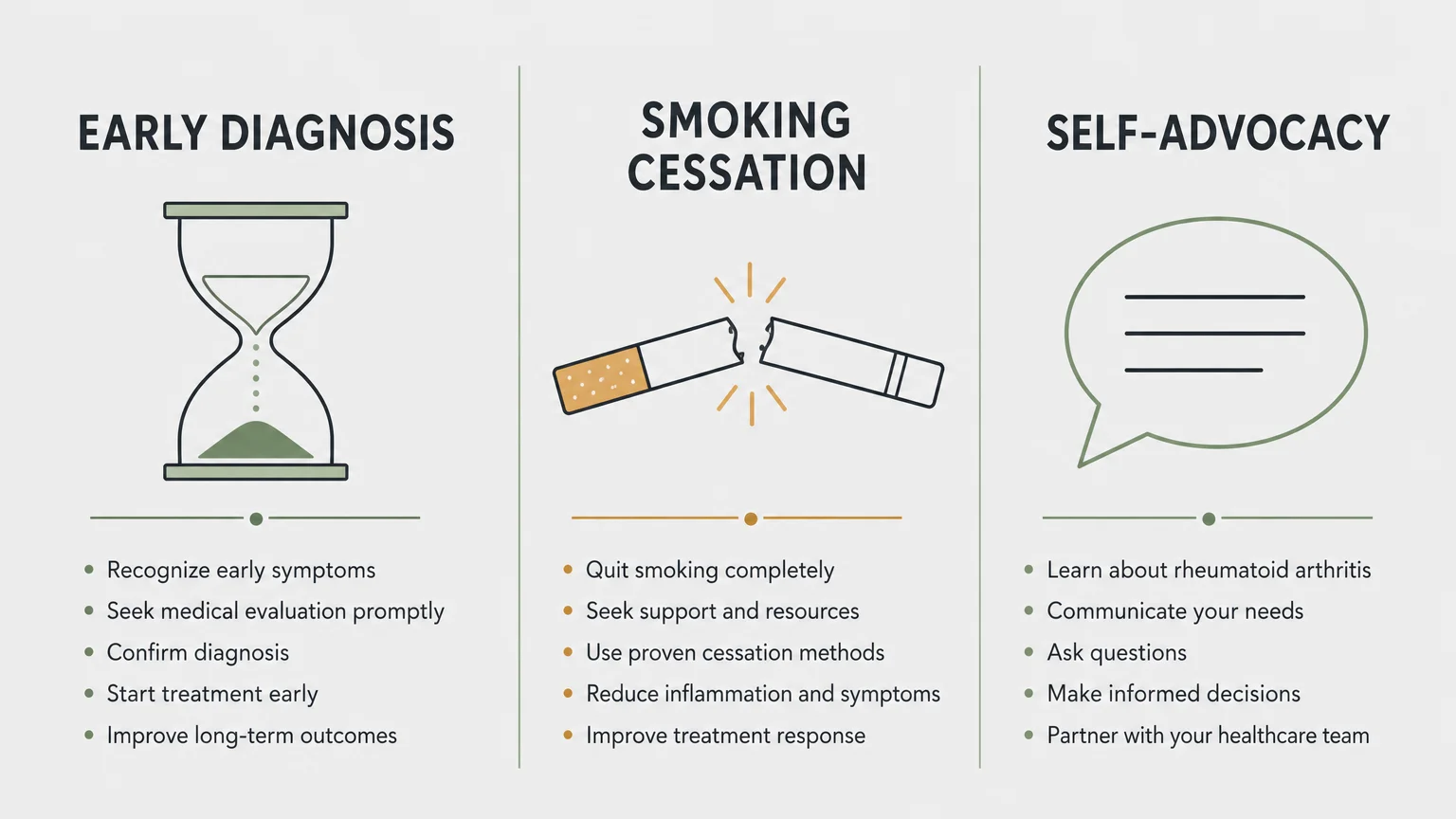
Actionable Strategy Pillars for Comprehensive RA Management
Pillar One: Optimizing Nutrition to Tame Systemic Inflammation
Dietary choices significantly influence your circulating inflammatory markers, offering a powerful daily tool for managing systemic symptoms. Research overwhelmingly supports adopting a Mediterranean-style dietary pattern to calm an overactive immune system. Focus on flooding your body with omega-three fatty acids by consuming wild-caught salmon, sardines, walnuts, and freshly ground flaxseeds several times a week. These essential fats naturally suppress the production of inflammatory cytokines driving joint destruction and extra-articular manifestations. Simultaneously, ruthlessly eliminate ultra-processed foods, refined sugars, and synthetic trans fats, as these highly inflammatory ingredients act like fuel on a smoldering fire. Incorporating a diverse array of colorful vegetables and fruits ensures you receive adequate antioxidants to combat cellular damage. Working alongside a registered dietitian helps you identify hidden food sensitivities that quietly exacerbate your autoimmune symptoms.
Pillar Two: Strategic Movement to Preserve Systemic Function
While resting aching joints feels intuitive, prolonged immobility actively accelerates muscle wasting and worsens joint stiffness. Implement a strategic, low-impact movement routine designed to nourish your cartilage and preserve your cardiovascular health. Swimming and water aerobics offer exceptional benefits; the buoyancy of the water completely unloads your joints while the resistance builds crucial muscle strength. If pool access poses a challenge, stationary cycling and gentle, restorative yoga provide excellent alternatives keeping your synovial fluid circulating without stressing vulnerable tissues. Because rheumatoid arthritis dramatically increases your risk of premature cardiovascular disease, accumulating one hundred and fifty minutes of moderate aerobic activity weekly remains non-negotiable for protecting your heart. Always consult with a specialized physical therapist who can design a customized exercise program safely challenging your body without triggering an inflammatory flare.
Pillar Three: Mental Resilience and Mindset Practices
The relentless nature of systemic autoimmune disease takes a profound toll on mental health, making psychological resilience a critical component of your holistic treatment strategy. Chronic inflammation alters brain chemistry, directly increasing susceptibility to clinical depression and clinical anxiety. Prioritize stress management techniques because acute psychological distress reliably triggers physical disease flares. Integrating mindfulness-based practices, such as progressive muscle relaxation or guided diaphragmatic breathing, helps lower your circulating cortisol levels and calms your central nervous system. Engaging in cognitive behavioral therapy provides practical tools to reframe negative thought patterns and cope with the grief accompanying a chronic illness diagnosis. Joining a patient advocacy group connects you with individuals who truly understand the unpredictable nature of this disease, validating your experiences and providing an invaluable emotional safety net.
Pillar Four: Navigating Medical Care and Diagnostic Testing
Achieving long-term remission requires a collaborative partnership with a board-certified rheumatologist and a commitment to proactive medical monitoring. Maintain a detailed symptom journal, meticulously recording the frequency, duration, and intensity of both joint pain and unusual systemic signs like fevers or persistent coughing. This real-time data proves invaluable during clinical appointments, allowing your physician to make rapid, evidence-based medication adjustments. Regular blood work remains essential for tracking inflammatory markers alongside vital organ function panels. As the Centers for Disease Control and Prevention emphasizes, early and aggressive treatment with disease-modifying therapies offers the highest probability of halting structural damage and preventing life-threatening organ involvement. Never abruptly discontinue prescribed medications without medical supervision, as dangerous rebound inflammation frequently occurs.

Real Voices: Insights from the Rheumatology Community
Experienced specialists at organizations like the American College of Rheumatology constantly remind patients that rheumatoid arthritis behaves as a full-body disease rather than a simple mechanical joint issue. Clinical researchers specializing in autoimmune progression frequently note that patients who actively report non-joint symptoms like extreme fatigue or dry eyes generally achieve faster clinical remission. Medical experts emphasize that patient self-advocacy prevents systemic complications from flying under the diagnostic radar. Similarly, patient advocates stress the importance of trusting your bodily intuition. Many individuals living with long-term autoimmune conditions report that a sudden, unexplained drop in their energy levels or a strange nerve tingling serves as their most reliable early warning system for an impending flare. By listening to these nuanced signals and communicating them clearly to your healthcare team, you transition from passively suffering to actively managing your holistic health.
Frequently Asked Questions About Atypical RA Symptoms
Can rheumatoid arthritis cause sudden hearing loss?
While less common than ocular or pulmonary issues, systemic inflammation can indeed affect the tiny structures within your inner ear. Some individuals experience sudden sensorineural hearing loss or chronic tinnitus driven by autoimmune attacks on the auditory nerve or the small blood vessels supplying the ear. If you notice a sudden change in your hearing or a persistent ringing, seek immediate evaluation from an audiologist to determine if aggressive corticosteroid therapy is necessary. Coordinate this specialized care closely with your rheumatologist.
Why do my symptoms worsen during specific weather changes?
Many people report a significant increase in both joint pain and systemic fatigue during periods of high humidity or rapid drops in barometric pressure. While the exact scientific mechanism remains heavily debated, researchers suspect that atmospheric pressure changes allow inflamed tissues to expand slightly, increasing pressure on sensitized nerve endings. Keeping your living environment temperature-controlled and wearing compression garments may offer symptomatic relief during turbulent weather systems.
Is a low-grade fever a normal part of a disease flare?
A low-grade fever often signals active, uncontrolled systemic inflammation and frequently accompanies a severe disease flare. Because your immune system relies on similar inflammatory pathways to fight off external infections and to attack your own tissues, your internal thermostat can easily reset. However, because immunosuppressive medications increase your vulnerability to dangerous bacterial and viral infections, you must never assume a fever is simply an arthritis flare. A persistent fever requires immediate medical investigation to rule out an underlying infection.
Can systemic inflammation from RA affect my gastrointestinal tract?
Rheumatoid arthritis does not typically attack the intestinal lining directly, but gastrointestinal symptoms frequently arise as a complication of the disease process or its treatments. Chronic use of nonsteroidal anti-inflammatory drugs drastically increases your risk of developing stomach ulcers and intestinal bleeding. Furthermore, systemic inflammation alters your gut microbiome, potentially leading to bloating, irregular bowel movements, and nutrient malabsorption. Addressing persistent digestive distress requires personalized care from a gastroenterologist to safely adjust your medication regimen and heal your intestinal lining.
Your Next Step Toward Better Health
Navigating the complex, systemic nature of rheumatoid arthritis undoubtedly feels overwhelming at times, but you hold significant power in shaping your health outcomes. You do not have to accept profound fatigue, breathing difficulties, or chronic dry eyes as inevitable consequences of your diagnosis. For your manageable first step today, grab a notebook and spend five minutes documenting any unusual, non-joint symptoms you have experienced over the past month. Bring this comprehensive list to your next rheumatology appointment. Ask yourself: am I actively communicating my full experience to my medical team, or am I silently enduring systemic symptoms out of fear or frustration? By bringing these hidden warning signs into the light, you pave the way for precise treatments, protected organs, and a profoundly better quality of life.









Leave a Reply