
Recognizing early dementia signs involves looking beyond memory lapses to subtle physical shifts in your body. When you identify these physical symptoms early, you gain a crucial head start in managing your brain health and implementing protective lifestyle interventions. Research indicates that neurodegenerative changes often disrupt motor skills, sensory processing, and autonomic functions years before cognitive decline becomes undeniable. By understanding the connection between physical coordination, sleep behaviors, sensory changes, and your neurological well-being, you collaborate with healthcare providers to seek proactive medical care. Tracking these physical manifestations empowers you to advocate for comprehensive evaluations, giving you the best opportunity to explore treatments and adaptations that preserve your independence and long-term quality of life.
The Science Snapshot: Decoding Brain Health Through Physical Cues
Before you notice a forgotten appointment or a misplaced set of keys, your brain might already be signaling distress through your physical body. The brain functions as a central command center, seamlessly orchestrating everything from your heart rate to your walking stride. When abnormal proteins begin accumulating in the brain tissue, they aggressively disrupt neural pathways that control movement, autonomic nervous system responses, and sensory input. Medical professionals refer to this subtle deterioration as the preclinical phase of dementia. During this critical window, you might naturally write off minor physical ailments as standard symptoms of aging. However, systematically tracking these systemic physical shifts provides vital clinical clues. Identifying neurodegeneration in its infancy allows you to optimize your lifestyle and pursue specialized therapeutic interventions.

10 Physical Symptoms That May Precede Cognitive Decline
Slower Walking Pace and Altered Gait
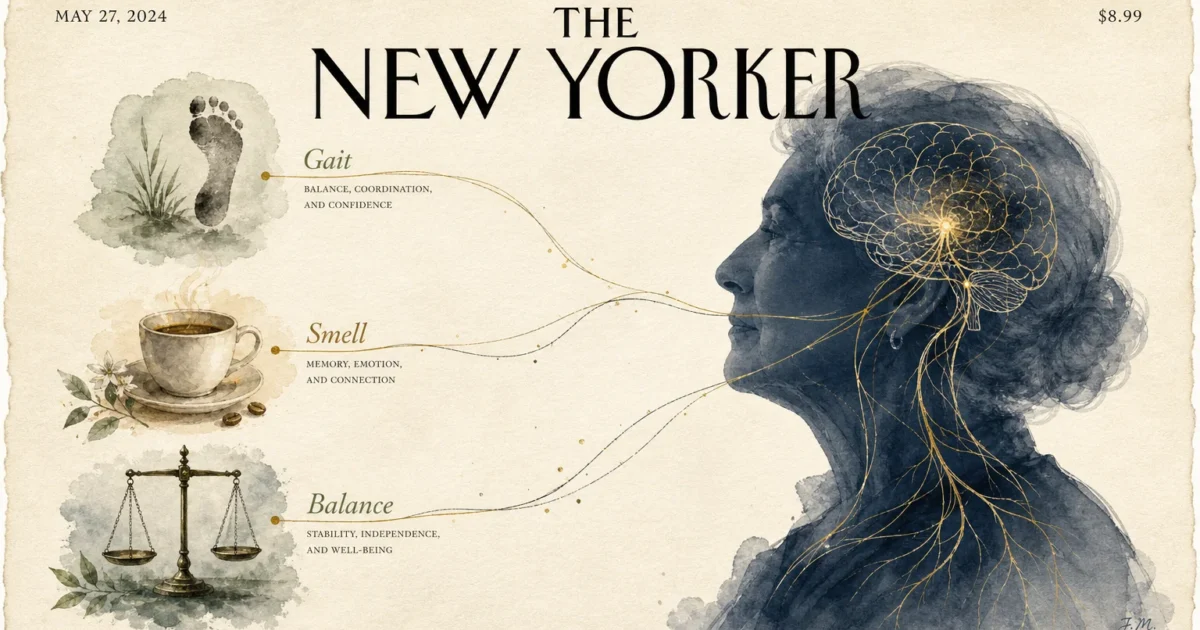
Your walking speed requires complex coordination between your brain, nerves, and muscles. A noticeably slower gait or a shorter stride often serves as one of the most reliable early dementia signs. Neurologists frequently utilize dual-task assessments—asking you to walk while counting backward—to evaluate cognitive reserve. When your brain works overtime to process thought, it steals resources from your motor cortex, resulting in a hesitant walking pace. Discuss these gait modifications with your physician rather than simply attributing them to tired joints or normal aging.
Diminished Sense of Smell
Olfactory dysfunction frequently emerges years before cognitive symptoms surface. The olfactory bulb represents one of the first brain regions affected by neurodegenerative diseases. You might realize that you can no longer detect the scent of your morning coffee, strong perfumes, or household cleaning supplies. Because this change happens gradually, you might not notice the deficit until a loved one points out a strong odor you missed. Reviewing clinical observations published by health authorities regarding a fading sense of smell allows doctors to rule out sinus infections while monitoring your neurological health.
Unexplained Weight Loss
Dropping pounds without altering your diet or exercise routine warrants immediate medical attention. The disease process alters the hypothalamus, the brain region responsible for regulating your metabolism and appetite. You might experience a faster resting metabolic rate or lose the internal cues that signal hunger. Additionally, subtle shifts in your executive functioning make meal preparation feel overwhelming, leading you to skip meals entirely. Unintentional weight loss deprives your brain of the essential nutrients it desperately needs to maintain cognitive pathways and function optimally.
Changes in Sleep Architecture
How you sleep offers profound insights into your neurological well-being. Rapid Eye Movement sleep behavior disorder stands out as a strong predictor of specific cognitive declines. Normally, your brain paralyzes your voluntary muscles during the dream phase. When neurodegeneration interrupts this safeguard, you might act out your dreams by thrashing or kicking in bed. According to research on sleep architecture, chronic sleep disturbances accelerate the buildup of harmful proteins by disrupting your brain’s natural waste clearance mechanism. Restoring healthy sleep patterns provides a critical defense for your long-term cognitive vitality.
Visual Processing and Spatial Deficits
You might maintain perfect vision on an eye chart while simultaneously struggling to process visual information. Dementia impacts the brain regions responsible for interpreting what you see, leading to impaired depth perception and spatial disorientation. You might find yourself reaching for a glass and missing it, struggling to park between the lines, or experiencing difficulty navigating stairs safely. These errors stem from brain dysfunction rather than a deteriorating eye lens. If new glasses fail to resolve your clumsiness, request a comprehensive neurological assessment.
Deterioration of Fine Motor Skills
Buttoning a shirt, fastening jewelry, or writing a legible list requires intricate communication between your brain’s motor cortex and your peripheral nerves. As cognitive decline unfolds, you might experience a noticeable decline in manual dexterity. Your handwriting may become progressively smaller; you might also drop small objects with alarming frequency. These fine motor disruptions happen because the brain struggles to sequence precise muscle contractions. Recognizing unexplained clumsiness helps you seek targeted occupational therapy and medical intervention early in the disease process.
Swallowing Difficulties
Dysphagia, or difficulty swallowing, represents a critical physical symptom tied directly to neurological health. Swallowing involves a complex reflex arc coordinated by the brainstem. When cognitive decline impacts these neural networks, you might notice yourself coughing frequently during meals, experiencing a sensation of food sticking in your throat, or needing to clear your airway after drinking water. Because untreated dysphagia significantly increases your risk of aspiration and malnutrition, you must report swallowing challenges to a medical professional to protect your airway and nutritional intake.
Hearing Loss and Processing Struggles
Struggling to follow conversations points to more than just aging ears. The cognitive load required to decode muffled speech places immense strain on a brain that is already vulnerable. When you expend excess mental energy simply trying to hear, you have fewer cognitive resources available for memory formation. Consequently, global health data concerning auditory function indicates that age-related hearing loss heavily correlates with an accelerated risk of developing dementia. Seeking timely auditory assessments and wearing prescribed hearing aids effectively reduces this cognitive strain, promoting neuroplasticity and keeping you socially engaged.
Uncharacteristic Muscle Stiffness and Tremors
While occasional aches form a normal part of aging, pervasive muscle rigidity or resting tremors demand closer clinical scrutiny. These physical symptoms frequently precede cognitive decline in specific neurodegenerative conditions. You might notice that your arms no longer swing naturally when you walk, or you might develop a stiff facial expression that fails to convey your emotions accurately. Documenting the frequency and severity of these rigid movements assists neurologists in differentiating between standard joint wear and underlying extrapyramidal motor dysfunction.
Blood Pressure Fluctuations and Dizziness
The autonomic nervous system manages automatic functions like blood pressure regulation without your conscious input. Neurodegenerative diseases often damage these pathways, causing a condition called orthostatic hypotension. When you stand up from a seated position, your blood vessels fail to constrict rapidly enough, leading to a sudden drop in blood pressure. You might experience profound dizziness, lightheadedness, or fainting spells. Experiencing frequent dizzy spells when changing positions highlights an underlying communication failure between your brain and your cardiovascular system.

Proactive Strategy Pillars for Neurological Longevity
Nutrition that Fuels Cognitive Resilience
Nourishing your brain requires a deliberate focus on vascular health. Multiple studies regarding nutritional interventions recommend eating patterns rich in antioxidants, healthy fats, and complex carbohydrates. Incorporate dark leafy greens, walnuts, and omega-3-rich fish into your meals. Recognizing that social determinants of health impact access to fresh produce, rely on frozen vegetables and canned legumes; these accessible alternatives provide identical neuroprotective benefits. Feeding your brain the right fuel reinforces the blood-brain barrier and naturally lowers systemic inflammation.
Movement as a Catalyst for Neuroplasticity
Physical activity functions as a powerful catalyst for generating new neural connections. Engaging in regular movement increases the size of your hippocampus, the brain region dedicated to memory. You do not need an expensive gym membership. Brisk neighborhood walks, gentle chair yoga, or active gardening provide adequate stimulation to preserve your motor networks. Aim for consistent movement that elevates your heart rate, closely following federal guidelines for adult physical activity. Exercise directly counteracts the physical sluggishness that often accompanies cognitive decline.
Cultivating Mindset and Emotional Well-being
Your brain thrives on novelty and robust social interaction. Chronic isolation and untreated psychological stress accelerate cognitive aging by bathing your nervous system in elevated cortisol. Cultivating a resilient mindset involves challenging your brain with new activities—whether learning a language, mastering an instrument, or volunteering. Maintaining strong interpersonal connections forces your brain to interpret complex social cues, effectively building cognitive reserve. You protect your neurological longevity every time you engage in collaborative problem-solving.
Navigating Medical Care and Diagnostics
Navigating physical symptoms requires a collaborative partnership with your healthcare team. Whenever you notice persistent changes in your physical coordination, sleep habits, or sensory perception, promptly schedule a comprehensive medical evaluation. Bring a trusted family member to your appointments; an outside observer often provides a highly objective history of your symptoms. Request baseline cognitive screenings and blood panels to rule out vitamin deficiencies. Proactive medical advocacy ensures you uncover the root cause before irreversible damage occurs.

Real Voices: Clinical Perspectives on Early Intervention
Neurologists and geriatric specialists strongly emphasize that recognizing the physical precursors to dementia completely transforms long-term patient outcomes. Clinicians frequently note that patients who report subtle shifts in their physical abilities gain access to therapeutic interventions years ahead of those who wait for overt memory failure. Physical therapists echo this sentiment, observing that patients who actively address coordination deficits immediately improve their independence and reduce their risk of debilitating falls. By listening to your body’s early warning signals, you shift the narrative from reactive disease management to highly proactive cognitive preservation, firmly placing the control back into your hands.
Frequently Asked Questions About Memory Loss Warning Signs
Can stress cause physical symptoms similar to dementia?
Yes, chronic stress and anxiety frequently mimic early dementia signs. When your body remains in a prolonged fight-or-flight state, elevated cortisol levels actively impair your executive functioning and induce noticeable muscle tension. If managing stress levels completely resolves your brain fog, you are likely dealing with stress-induced pseudo-dementia rather than a permanent condition.
How do I know if my vision issues are brain-related?
Routine ophthalmology exams evaluate the physical structure of your eye, examining the lens and retina. If your eye doctor confirms your physical eye health remains excellent but you consistently struggle with depth perception or spatial awareness, your brain is likely struggling to decode visual input. Mention these spatial processing errors to a neurologist.
When should I bring up sleep disturbances with a doctor?
You should discuss sleep changes with your physician immediately, especially if you or your partner notice that you frequently physically act out your dreams. Thrashing, kicking, or vocalizing during the rapid eye movement phase strongly indicates a breakdown in your brain’s normal sleep paralysis mechanism. Early intervention allows doctors to prescribe treatments that restore restorative sleep.
Does recognizing these physical symptoms mean a dementia diagnosis is inevitable?
Not at all. Many of these physical symptoms stem from entirely reversible causes, such as severe vitamin deficiencies, untreated thyroid disorders, or adverse medication interactions. Recognizing an altered gait or new clumsiness simply serves as a prompt to seek a thorough medical evaluation. Identifying the actual root cause empowers you to implement targeted solutions.
Your Next Step Toward Lasting Health
Protecting your brain health begins with active observation and self-advocacy. Start by setting up a dedicated health journal today. Track any subtle changes in your walking pace, your sleep quality, or your sense of smell over the next two weeks. Take a moment to reflect: Have you ignored a physical symptom because you assumed it was just a normal part of aging? Use your documented observations to schedule a proactive conversation with your healthcare provider this month.








Leave a Reply