
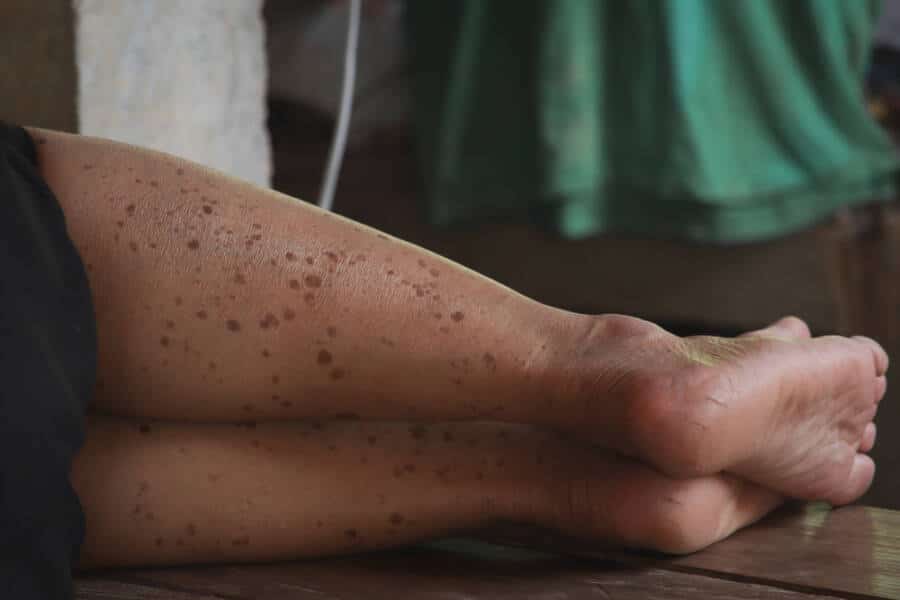
Studies have found that 3 in 4 adults aged 70 and older need treatment for at least one of these skin conditions!
If you are 70 or older, you probably have wrinkles. This is the first sign that shows you that your skin is affected by the effects of aging. As this is a natural process, this is not the problem, but as the skin gets older, it becomes more sensible and more susceptible to disease.
75.7% of older adults suffer from a skin condition, and 43% of them can be treated at home, while 57% need to see a physician regularly for treatment. Also, 39.1% have three of these skin conditions at the same time.
So, it is easy to see that skin conditions among the elderly are pretty common, and because of this, it is a good idea to check your skin for any changes or new spots at least once per month.
Here is a list of the most common skin conditions among seniors, so you can easily know if something is not going the way it should.
1. Lentigo senilis
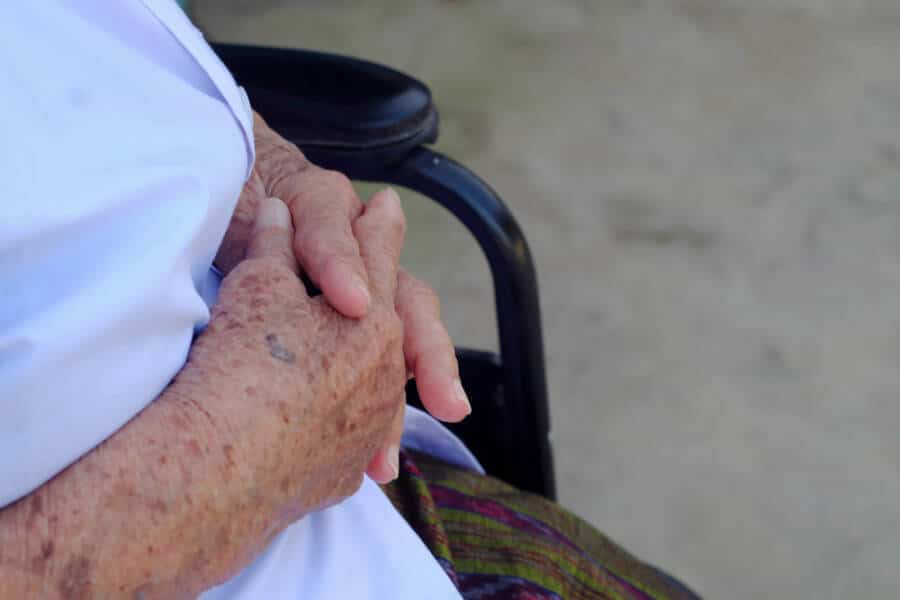
When you see this name for the first time, you might be a little bit confused about what one of the skin conditions might be, but things are really simple. Lentigo senilis is also known as liver spots, and you surely have heard about this.
Generally, these are small, flat brown spots that can appear on areas that are sun-exposed most of the time, such as the face, hands, forearms, and shoulders. And when we say small, we mean they are usually between a few millimeters and a few centimeters. Over time, they can increase in number and size.
Hopefully, liver spots are not dangerous, and if you are concerned that they don’t look good or you have them on your face, your doctor can prescribe you topical bleaching creams, and this treatment will most probably diminish their color.
2. Tinea pedis
This is also known as the athlete’s foot, and it is true that this is one of the skin conditions that might appear at any age. You need to be extra careful once you get older. The changes in blood circulation and the weakening of the immune system increase your chances of getting this common foot infection.
First of all, you need to know that this is a fungal infection. And fungi thrive in moist and warm environments. When you are older, the dermatophytes, the fungi that are causing this infection, might find your feet perfect because the previously mentioned conditions might be met more easily because of reduced sweating or circulation changes in the feet.
The main symptom of an athlete’s foot is a burning, itching sensation between your toes, especially between the fourth and fifth toes. Cracking, scaling, and peeling of the skin are also common, and they usually happen on the soles and sides of the feet. Sometimes, blisters might appear.
Over-the-counter antifungal medications are used to fight this infection, but keep in mind that once you get it, there is a higher chance this fungus will return. Also, those who have diabetes get skin infections more easily than the rest of the population.
3. Seborrheic keratoses
After the age of 70, this is one of the most common skin conditions that might appear. If you look at it, you can easily say it is something scary, but in fact, half of the people over 50 develop them, and they are noncancerous wart-like growths.
The most common places where they appear are the face, scalp, chest, back, and shoulders, but it is not uncommon for them to appear in other places. One thing to remember is that they will never appear on your palms or soles.
Seborrheic keratoses are waxy, wart-like growths of various sizes, with colors ranging from brown to black. They are asymptomatic, so you can be sure they don’t cause any burning sensations or itching. The only concern is that some might find them cosmetically bothersome.
They can easily be removed using cryotherapy, curettage, electrosurgery, or laser therapy. If you notice any changes, go to your doctor for a checkup.
4. Rosacea
This is one of the skin conditions that appear mostly on the faces of fair-skinned women and causes intense redness and visible blood vessels. People can go years without getting a diagnosis for rosacea because they might think it is acne or that it is natural redness.
Another thing that makes diagnosis hard is that this is a relapsing condition. This means sometimes the symptoms are really bad during flares, and after things calm down, there can be long periods when symptoms are not that severe or there are no symptoms at all.
For now, the cause of rosacea is unknown, but it is believed to be a combination of environmental factors and hereditary factors. At this moment, there is not a test for rosacea available, but you might undergo testing so that your doctor can rule out other conditions that might have seminal symptoms, such as lupus.
In case you have rosacea, the best thing you can do is to avoid the most common triggers: alcohol, spicy food, and stress. To reduce spots and redness during flares, your doctor might prescribe you creams, gels, and oral medications.
5. Asteatotic eczema
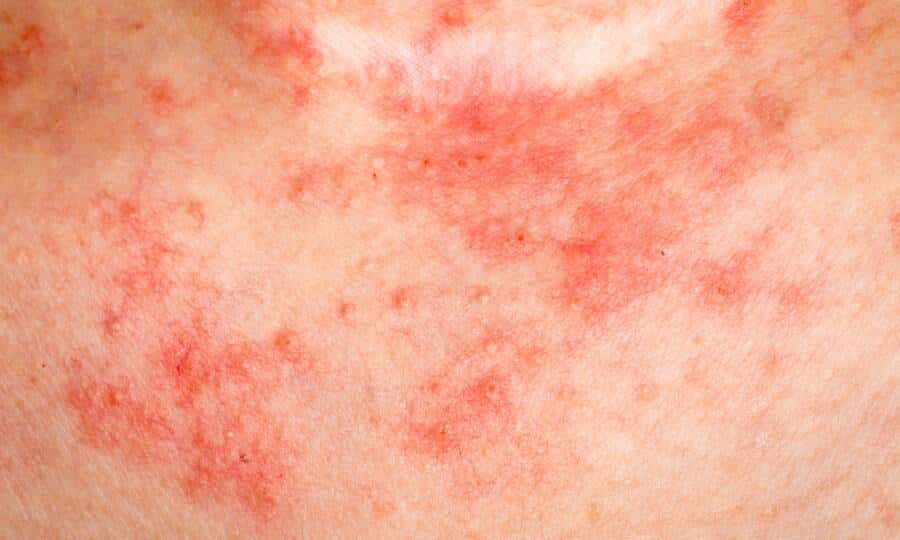
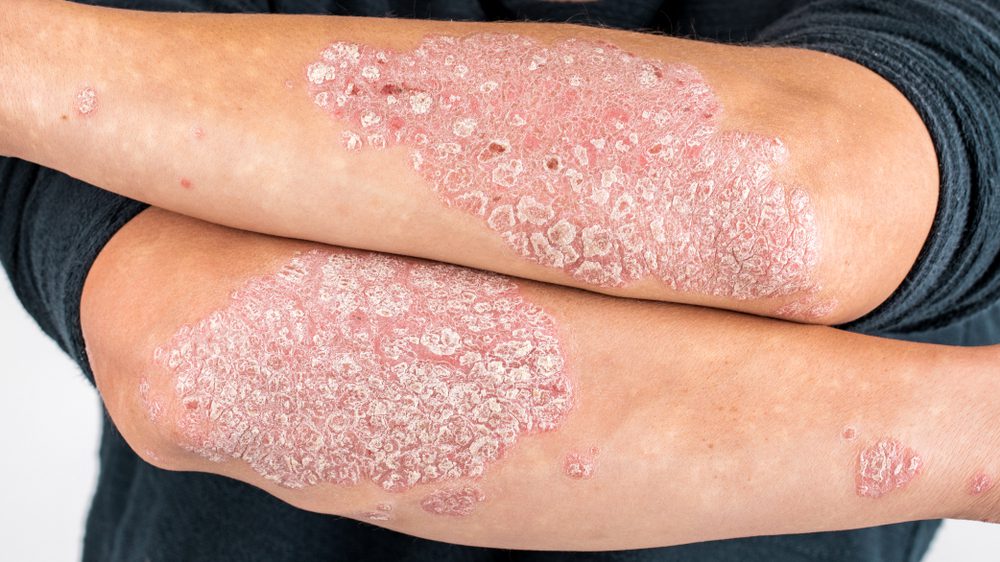
Asteatotic eczema, or eczema craquelé, is a type of eczema that causes dry, cracked, and irritated skin. This is also one of the skin conditions that might appear in those over 70 and might impact their quality of life for the worse.
Most of the time, this eczema appears during the winter and can cause deep cracks that can be extremely painful. Bathing often, using certain medications, using irritating soaps, and wearing scratchy wool materials may aggravate the condition.
The main cause of asteatotic eczema is a weakened skin barrier. This happens because, as we age, our skin is no longer producing enough natural oils, which leads to dryness. This dryness disturbs the skin barrier; this is how the skin becomes cracked and irritated.
There is not much to do, but if you want to avoid further complications, such as sleep disturbances from itching or an increased risk of infection, you should moisturize regularly and always take lukewarm showers and baths, as hot water can dry your skin even more.
6. Cherry angiomas
The same as the seborrheic keratoses mentioned earlier, this is not really one of the skin conditions but rather a common benign growth that appears once you get older.
Cherry angiomas are usually asymptomatic, so they won’t itch or cause pain. Sometimes they might be cosmetically bothersome, depending on where they appear. These skin growths are noncancerous and are made from blood vessels. This is why they are red-colored.
Some cherry angiomas seem smooth and level to your skin, whereas others are slightly elevated. When scraped, rubbed, or cut open, they may bleed. If any changes in their appearance are present, talk with your doctor.
If you want to learn more about how your body changes when you are getting older, this book might help: Our Aging Bodies by Gary F. Merrill
You should also read: 4 Dental Issues 60-Year-Olds Might Deal With


Leave a Reply