
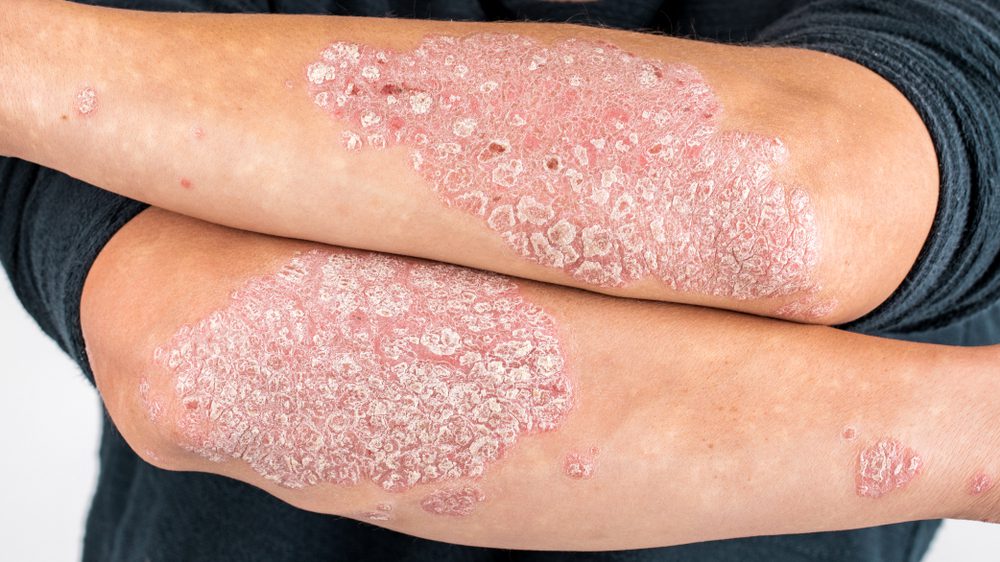
Are you dealing with psoriasis? You might want to know these important facts about it!
Our skin is the largest organ of our body and it protects us from infection, regulates our body temperature, stores water, and more. So when skin problems arise, they can have a major impact on our quality of life.
Skin conditions affect nearly everyone at some point in their lives, with some conditions, such as acne and psoriasis, affecting a large percentage of the population.
For the uninitiated, psoriasis is a chronic autoimmune disease that causes raised, red, scaly patches to form on the skin. It most often occurs on the elbows, knees, scalp, lower back, face, palms, and feet soles but can also affect other areas.
This disease affects about 2% of the U.S. population, or around 7 million people, which also includes celebrities like Kim Kardashian and Cara Delevingne.
While there is no cure for this skin issue, there are treatments that can help to control the symptoms. Here are ten things you should know about psoriasis:
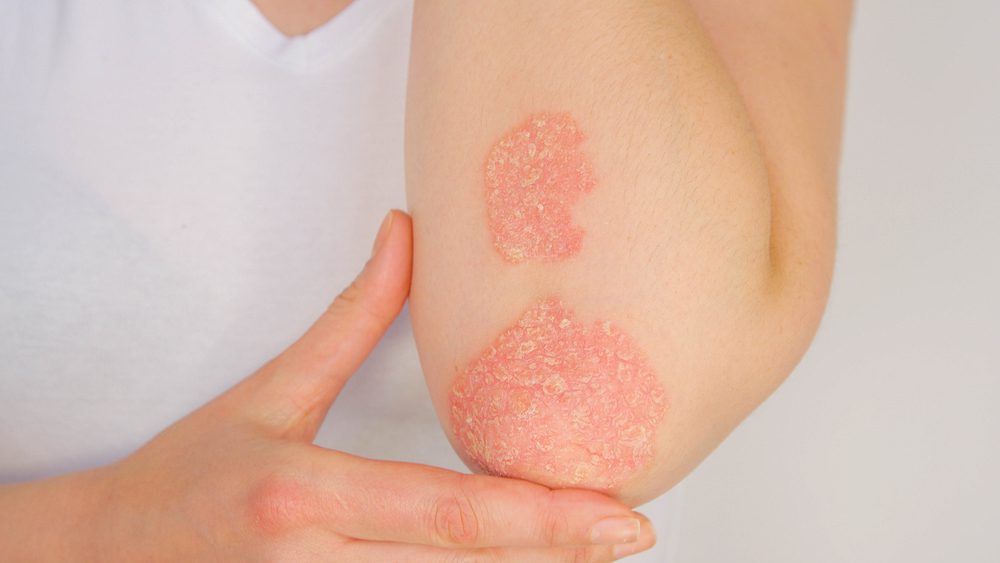
1. It’s Not a Rash
Psoriasis is a chronic skin condition that causes red, flaky, and scaly patches on the skin. It usually occurs on the elbows, knees, scalp, and lower back but can affect any area of the body, such as the nails, palms, and soles of the feet.
Psoriasis is not a rash; it is a chronic autoimmune disease. This means that it is a long-term condition that results from your body’s immune system attacking healthy cells. A rash is usually a short-term condition caused by an irritant, such as a new soap or detergent.
Many people also confuse this condition with eczema, but they are different. Eczema is also a chronic skin condition, but it is not an autoimmune disease.
2. There Is No Cure
There is no cure for psoriasis, but there are treatments that can help to control the symptoms. These treatments may include topical medications, such as ointments or creams, phototherapy (exposure to ultraviolet light), or systemic medications (oral or injectable medications that work throughout the body).
It is important to seek treatment for this skin condition if you are experiencing symptoms, as uncontrolled psoriasis can lead to other health problems. Treatment can help to improve your quality of life and help you feel more comfortable in your own skin. LITERALLY!
3. It’s Not Contagious
A common misconception about psoriasis is that it is contagious. This is not the case; this skin issue cannot be caught by someone else. You may have seen people with this condition covering their skin with long-sleeved shirts or pants, or wearing gloves, in an attempt to hide their condition.
Psoriasis is not contagious, so there is no need to avoid contact with someone who has it. In fact, many people with this skin condition find that their symptoms improve when they are around others who also have the condition.
4. There Are Multiple Types
There are several different types of psoriasis, each with its own set of symptoms. The most common type is plaque psoriasis, which affects about 80% of people with the condition. Plaque psoriasis is characterized by raised, red, scaly patches on the skin.
Other types of this skin condition include guttate psoriasis (small, drop-like lesions), inverse (lesions in skin folds), pustular (white blisters surrounded by red skin), and erythrodermic psoriasis (widespread redness and shedding of the top layer of skin).
5. There Are Triggers
Psoriasis flare-ups can be triggered by many different factors, including stress, skin injuries, excessive sunlight, infections, smoking, and alcohol.
Stress is one of the most common triggers for this condition. When you are stressed, your body goes into “fight or flight” mode. This can trigger the immune system to attack healthy cells, which is what leads to the development of psoriasis symptoms.
Skin injuries, such as cuts or scrapes, can also trigger a flare-up of this condition. If you have this skin condition, it is important to take care when shaving or waxing and to avoid scratching or picking at the lesions.
If you are experiencing a flare-up of symptoms, there are treatments that can help to control the symptoms and reduce the duration of the flare-up.
6. It Can Affect Any Part of the Body
This condition can affect any part of the body, including the face, scalp, hands, feet, and nails. In some cases, it can even affect the genitals.
The most common areas that psoriasis affects are the elbows, knees, scalp, lower back, face, palms, and soles of the feet. However, it can occur anywhere on the body.
Some people with psoriasis also experience nail problems, such as pitting, discoloration, and crumbling of the nails. And in rare cases, it can even cause genital lesions.

7. Symptoms Worsen in the Winter
Many people with this disease find that their symptoms worsen in the winter. This is likely due to the cold weather and dry air, which can aggravate the skin and make the symptoms worse. A lot of psoriasis sufferers stay indoors during the winter to avoid triggering a flare-up, but this also means missing out on the sun, which can help to improve psoriasis symptoms.
Some people find that their symptoms improve in the summer when it is warmer, and the air is more humid. This is because the natural Vitamin D and UVB from the sun can help to improve the symptoms.
However, everyone is different, and you may find that your symptoms vary from season to season.
If you feel like nothing is working anymore and your psoriasis is getting harder to control, try out this magnificent cream from CeraVe. It’s fragrance-free, dermatologically tested and it’s only $14.49 on Amazon! Hurry up because the stock is limited.
8. 80% of People with Psoriasis Have Mild Symptoms
While psoriasis can be a debilitating condition, the majority of people with this skin condition (80%) have mild symptoms. This means that their condition does not significantly interfere with their daily life.
For people with mild forms, treatment may not be necessary. However, if you are experiencing any discomfort, there are treatments that can help to control your symptoms.
If the condition affects more than 5% of your body, or if you are experiencing joint pain, you may be classified as having moderate to severe psoriasis.
9. It Can Affect Your Quality of Life
Psoriasis can have a significant impact on your quality of life. The symptoms can be painful and uncomfortable and can make it difficult to do everyday activities. It can also lead to feelings of isolation and depression.
The condition can also cause psychological damage, as people with psoriasis may feel self-conscious about their appearance. This can lead to anxiety and depression. Most of the time, it’s the lack of understanding and ignorance of others that causes the psychological damage, rather than the condition itself.
If you are struggling to cope with your skin disease, there is help available. There are support groups and counseling services that can help you cope with the condition.
10. There Is Hope
Although there is no cure for this skin condition, there are treatments that can help to control the symptoms. With treatment, most people with psoriasis can find relief from their symptoms and live normal, healthy lives.
Some of the most common treatments for this disease include topical creams and ointments, phototherapy, and oral or injected medications. There are also lifestyle changes that can help improve symptoms, such as avoiding triggers, managing stress, and getting enough rest.
“Biologics” is another exciting treatment option that is now available. These are antibodies that target specific proteins involved in the development of this disease. They are taken as an injection or infusion and can be very effective at reducing symptoms.
If you are living with psoriasis, there is hope. Talk to your doctor about the treatment options that are available to you and find the one that works best for you.
Have YOU ever had to deal with a skin condition? Share your thoughts and experiences in the comment section below!
And if you enjoyed this article, make sure to also check out: 7 Subtle Signs You Have a Weak Immune System.





Leave a Reply