
Are You Dealing with Psoriasis?
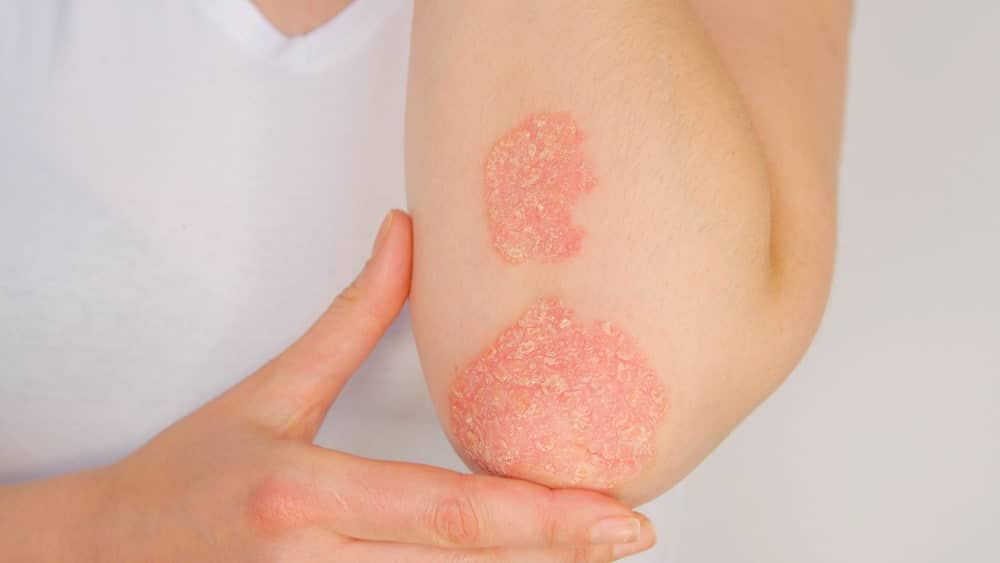
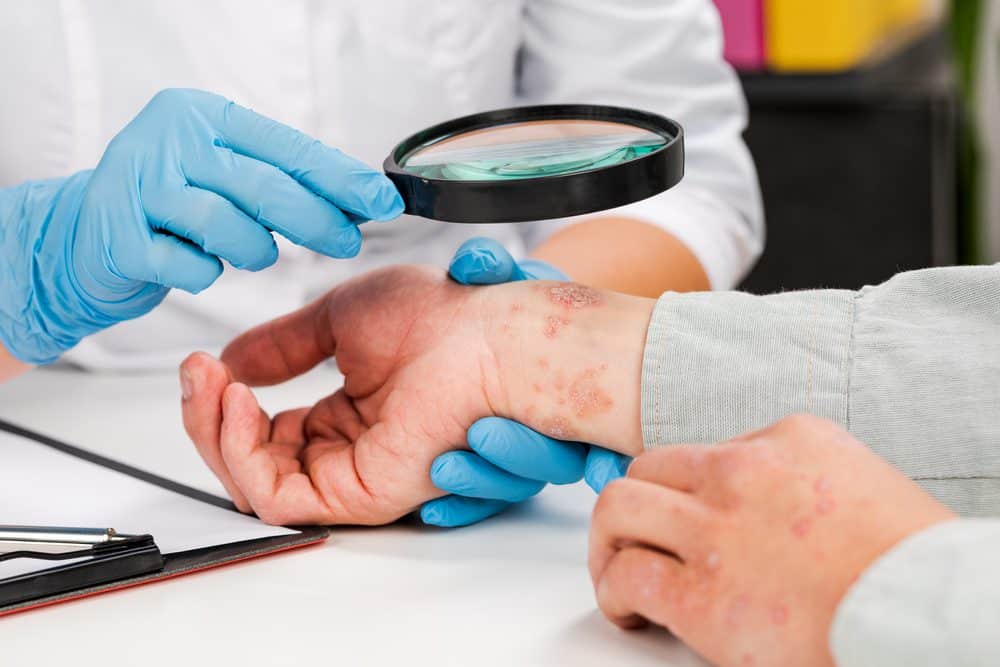
If you’re struggling with psoriasis, then you’re probably at the end of your patience at least once a month. Psoriasis is a chronic disease in which our immune systems become overactive, causing our skin cells to multiply way too fast.
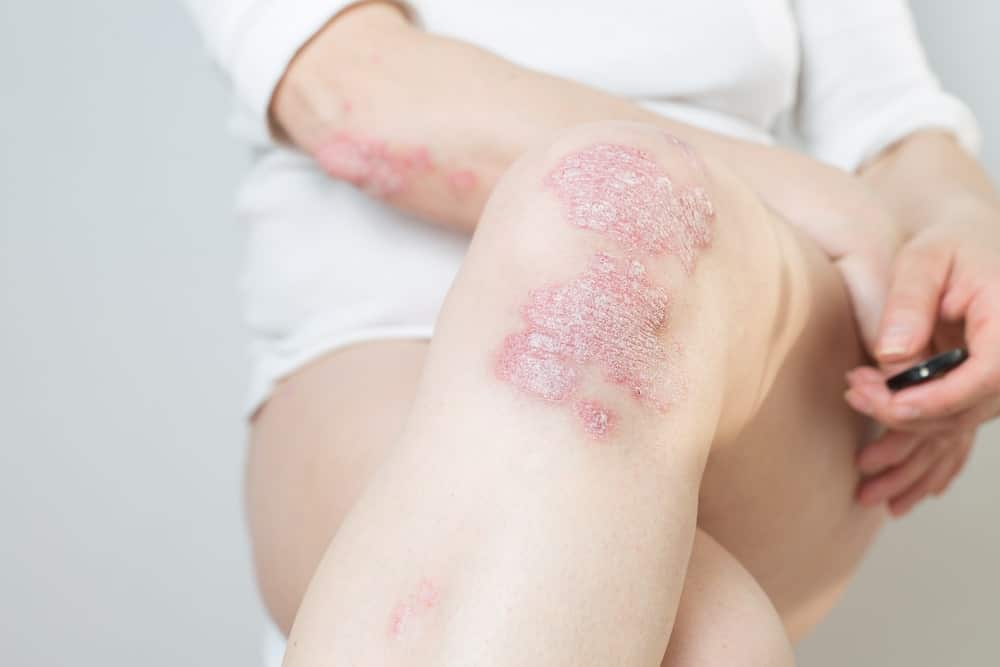
Patches of skin become scaly and inflamed, affecting very specific regions of your body like the scalp, elbows, and knees. What’s even worse is that there isn’t 100% effective treatment against it, and most patients need to learn how to live with it and adjust their lifestyle to alleviate the symptoms. If you’re one of them, then you might find this series of tips helpful:
Exposure to sunlight
Exposure to sunlight can definitely improve the appearance of your skin. However, try to expose your skin gradually and for brief periods of time. The sun’s UVB rays are highly beneficial for psoriasis because they slow the growth of affected skin cells.
It’s also essential to put sunscreen on all exposed skin, such as plaques, because sunburn can worsen psoriasis. The National Psoriasis Foundation (NPF) recommends using a sunscreen with SPF 30 or even higher that’s efficient against UVA and UVB rays.
Moreover, some medications can make the skin more sensitive to the sun. While not everyone should use sunlight to treat psoriasis, the NPF recommends it, as long as you discuss it with your doctor.
Capsaicin
Capsaicin is a component of red peppers, and it has been repeatedly shown that it has properties that fight inflammation. In fact, there’s a study conducted in 2020 that shows how capsaicin is effective in psoriasis treatment.
People who suffer from psoriasis can use a capsaicin cream to treat their skin plaques. This could initially cause a burning sensation and inflammation, but capsaicin helps nerves in the treated area become less sensitive to inflammation with further application.
This also leads to less scaling, itching, and pain. Another more recent study shows that people can also use capsaicin as an alternative to topical psoriasis treatments with steroids. The study discovered that capsaicin application to certain affected areas ensures a protective effect that reduces the body’s ability to send signals, commonly known as cytokines, for more inflammation.
Probiotics
Probiotics are basically healthy bacteria present in yogurt and other fermented foods. They also exist in various supplements. Having the proper balance of bacteria in the body could potentially help the immune system.
Psoriasis is also an autoimmune disease, and research shows probiotics can alleviate its symptoms. In fact, according to a 2019 review study, the gut microbiome, which is the collective genomes of the bacteria, viruses, fungi, and other microbes that live in the digestive system, is essential to our skin health and can prevent psoriasis outbreaks or stop them altogether.
Curcumin
Curcumin is an active ingredient in the spice turmeric. It lessens inflammation in the body and reduces psoriatic activity. The authors of a 2018 review of research stated there’s increasingly stronger evidence that shows the therapeutic effect of curcumin in treating psoriasis. Moreover, a 2021 study concluded that curcumin alleviated psoriasis even in mice (induced).
Oregon grape
Mahonia aquifolium, or the Oregon grape, is an amazing herbal remedy that helps calm the immune response in psoriasis. In a 2005 report on three different clinical trials on 104 people, the authors discovered that Oregon grape cream is a rather safe and effective treatment for mild-to-moderate psoriasis.
Also, in 2018, while reviewing the evidence that supported psoriasis treatment, the authors discovered that its use is safe and effective, and it only comes with a few side effects.
Aloe vera
Traditional medicine is known to have used the gel from aloe vera to treat various skin conditions and wounds. Applying an ointment with aloe vera helps alleviate the scaling inflammation that psoriasis causes.
In fact, according to a 2018 study, 2,248 people with mild to moderate psoriasis used an ointment with 50% propolis and 3% aloe vera or a placebo. The study showed that aloe vera is helpful for people who suffer from this condition.
Those who used the preparation that has aloe vera experienced a noteworthy improvement in their symptoms. People should apply aloe vera right on the skin and avoid ingesting it. Moreover, the NPF recommends you try a cream or gel with a minimum of 0.5% aloe.
Apple cider vinegar
Anecdotal evidence shows that apple cider vinegar soothes the itching and burning that come from scalp psoriasis. But it’s not suitable for applying to broken or cracked skin areas. Apple cider vinegar has natural germ-killing properties, and it can be quite soothing for the scalp.
The NPF recommends applying it a couple of times a week. For a gentler treatment, you can dilute the vinegar with an equal amount of water. If it burns during or even after the application, it’s highly important to stop using it.
Another 2021 article in the International Journal of Dermatology mentioned vinegar’s antimicrobial and antioxidant properties in wound care. The authors also noted that, while it’s generally safe, inappropriate use might damage the skin.
Tea tree oil
Studies showed that tea tree oil boasts a series of natural, anti-inflammatory, antifungal, and antibacterial properties. Anecdotal evidence also shows that it’s a safe treatment for people with psoriasis.
But for now, there aren’t any clinical studies to prove the effectiveness or safety of tea tree oil in treating psoriasis. Moreover, some people also reported allergic reactions to tea tree oil, such as severe rashes, redness, irritation, swelling, and burning.
Moisturizers
Itching and flaking could potentially make psoriasis symptoms feel worse, so it’s highly important to keep skin moisturized. The AAD noted that moisturizing creams, like emollients, are a standard treatment to use alongside other therapies.
Applying thick cream once a day helps control symptoms and also keeps the skin feeling more comfortable. You should focus on those products that are free of fragrances and dyes and have “for sensitive skin” on their label. Doctors could recommend other topical treatments and creams with coal tar, salicylic acid, and other medical ingredients.
Wet dressings and warm baths with salt and oats
Baths and showers can definitely be relaxing, but those that last for too long or are too hot can damage the skin, stripping it of its oils, which worsens psoriasis. Some people might find that a warm bath with colloidal oatmeal or Epsom salt can be soothing and relieve the symptoms. According to further research, an oatmeal bath or a wet dressing reduces itching, and a warm bath with proper bath oil can moisturize the skin.
Exercise and diet
Some psoriasis patients are more likely to be overweight and are at risk of suffering from other conditions, like heart disease and type 2 diabetes. Exercise can definitely help lower this risk. Diet is also essential for maintaining a moderate weight and avoiding cardiovascular issues and other types of illness.
Some tips could include avoiding sugar, drinking tons of water to keep the skin moisturized, cutting out trans fats, which are fairly present in many fast and processed foods, and also focusing on foods that pack a ton of anti-inflammatory properties, like omega-3 fatty acids, fruits, and vegetables.
If you found this article insightful, then you will be happy to know we have many more in store! Check out next: 8 Real Reasons Why Antihistamines Might Not Be Working for You





Leave a Reply