

Understanding the most common side effects of Ozempic allows you to manage discomfort and maximize the benefits of this highly effective medication. Semaglutide—the active ingredient in Ozempic—works by mimicking a naturally occurring hormone that regulates appetite and blood sugar, leading to significant weight loss and improved metabolic health. However, shifting your body’s metabolic engine often introduces unwanted gastrointestinal symptoms like nausea, vomiting, diarrhea, and constipation. As millions turn to this medication to support long-term wellness, separating temporary adaptation symptoms from serious medical risks becomes essential for your success. You can navigate these changes smoothly by implementing targeted nutritional adjustments, strategic hydration, and proactive communication with your healthcare provider.
The Science Behind Semaglutide Side Effects
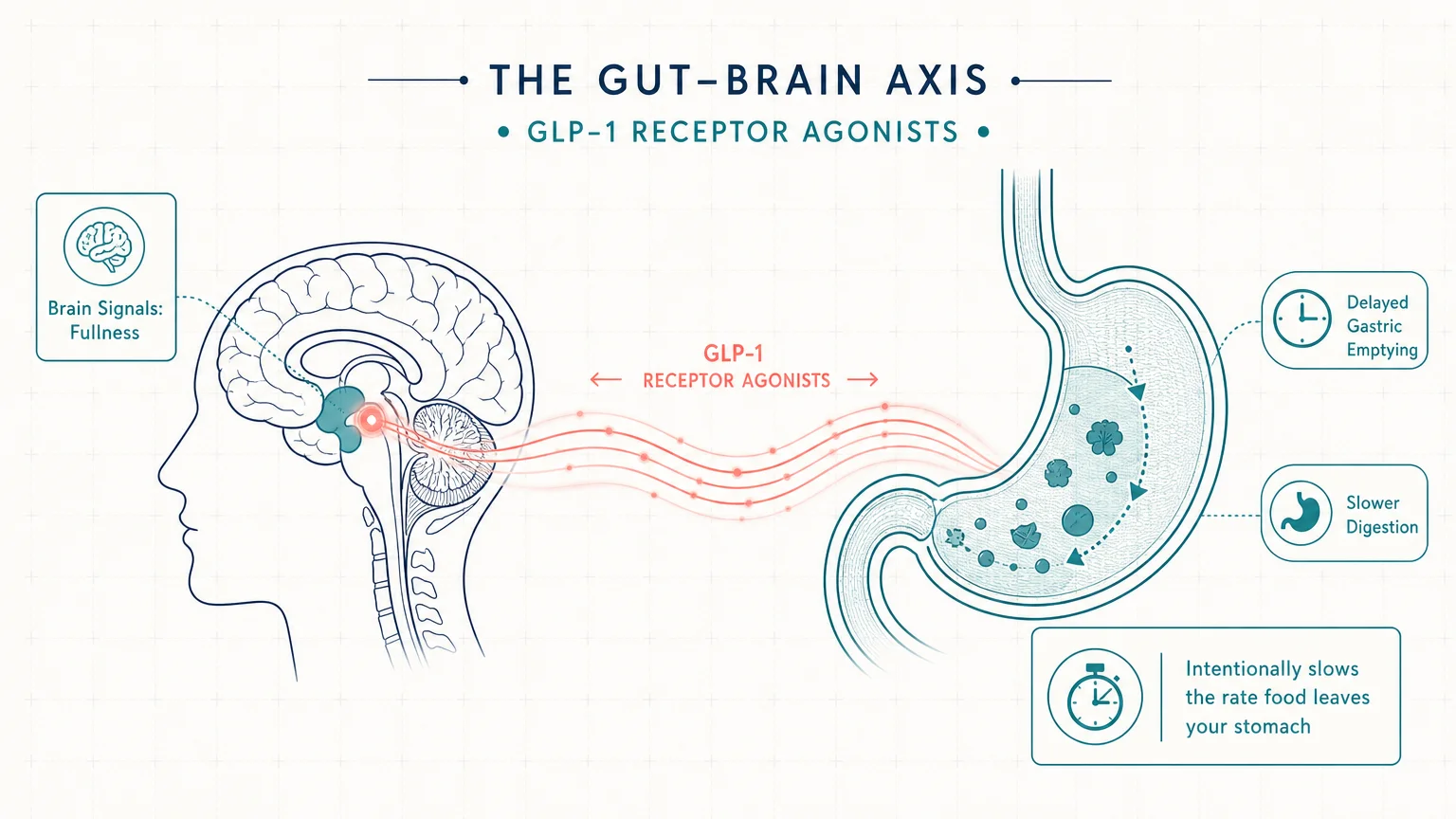
To effectively manage the physical changes you experience on this medication, you need to understand how it alters your digestive process. Ozempic belongs to a class of medications called GLP-1 receptor agonists. Your body naturally produces glucagon-like peptide-1 in the intestines to trigger insulin release and signal your brain that you feel full. By introducing a synthetic version of this hormone that lasts much longer in your bloodstream, semaglutide radically shifts how your brain and gut communicate. This profound hormonal adjustment forms the foundation of both the medication’s unparalleled success and its disruptive physical symptoms.
One of the primary mechanisms responsible for your weight loss and blood sugar control is delayed gastric emptying. The medication intentionally slows the rate at which food leaves your stomach and enters your small intestine. While this prolonged digestion keeps you feeling satisfied for hours, it also acts as the primary culprit behind the most notorious Ozempic side effects. When food sits in your stomach longer than your body expects, your gastrointestinal tract sends distress signals to your brain, which you perceive as intense nausea, bloating, and occasional vomiting. Furthermore, clinical trials and research data indicate that a significant majority of patients report at least one gastrointestinal issue during the initial dose escalation phase.
Your body treats the introduction of semaglutide as a major metabolic shift. Your pancreas receives continuous signals to optimize insulin production, while your liver receives instructions to halt excess glucose output. These sweeping systemic changes require an adaptation period. Most mild to moderate symptoms peak during the days immediately following your weekly injection and gradually subside as your body acclimates to the medication. Recognizing this physiological adjustment phase allows you to approach your symptoms with patience rather than panic.

Strategic Nutritional Adjustments to Conquer Nausea
Nausea stands out as the most widely reported side effect of Ozempic, often disrupting daily routines and complicating meal planning. Because the medication inherently reduces your appetite, you might feel tempted to skip meals entirely when nausea strikes. However, navigating this symptom requires you to eat strategically rather than abstain from food. An empty stomach can actually exacerbate nausea by allowing stomach acids to accumulate. You can combat this vicious cycle by consuming small, frequent, and easily digestible meals throughout your day.
The types of food you consume directly influence the severity of your gastrointestinal distress. High-fat meals, deep-fried foods, and heavily processed snacks require substantial digestive effort and sit in your stomach for extended periods. When combined with semaglutide’s delayed gastric emptying, these foods create a perfect storm for severe nausea and acid reflux. Instead, you should pivot toward lean proteins, complex carbohydrates, and mild-flavored foods. Consider incorporating baked chicken, steamed vegetables, and whole grains into your daily rotation. If you find yourself struggling to access fresh, whole foods due to budget constraints or living in a food desert—a reality for many individuals managing metabolic health—frozen vegetables and canned legumes rinsed of excess sodium serve as excellent, highly nutritious alternatives that remain gentle on your digestive tract.
In addition to what you eat, how you eat plays a crucial role in mitigating Ozempic symptoms. You must become highly attuned to your body’s subtle fullness cues. Before starting this medication, you likely relied on the physical sensation of a stretched, full stomach to know when to stop eating. On semaglutide, you must stop eating at the very first sign of satisfaction—long before you feel “full.” Eating slowly, chewing your food thoroughly, and putting your fork down between bites gives your brain the necessary time to register the food entering your system. This mindful eating approach prevents you from accidentally overeating and triggering painful bloating or vomiting.
Managing Constipation and Diarrhea Through Hydration and Movement
While nausea dominates early conversations about semaglutide side effects, irregular bowel movements quickly become the most persistent hurdle for many patients. The slowed digestive motility that helps you lose weight also means waste material moves sluggishly through your colon. As the stool lingers in your large intestine, your body extracts more water from it, leading to hard, difficult-to-pass bowel movements. Conversely, some individuals experience sudden, urgent bouts of diarrhea as their digestive system struggles to process specific types of fats or sugars.
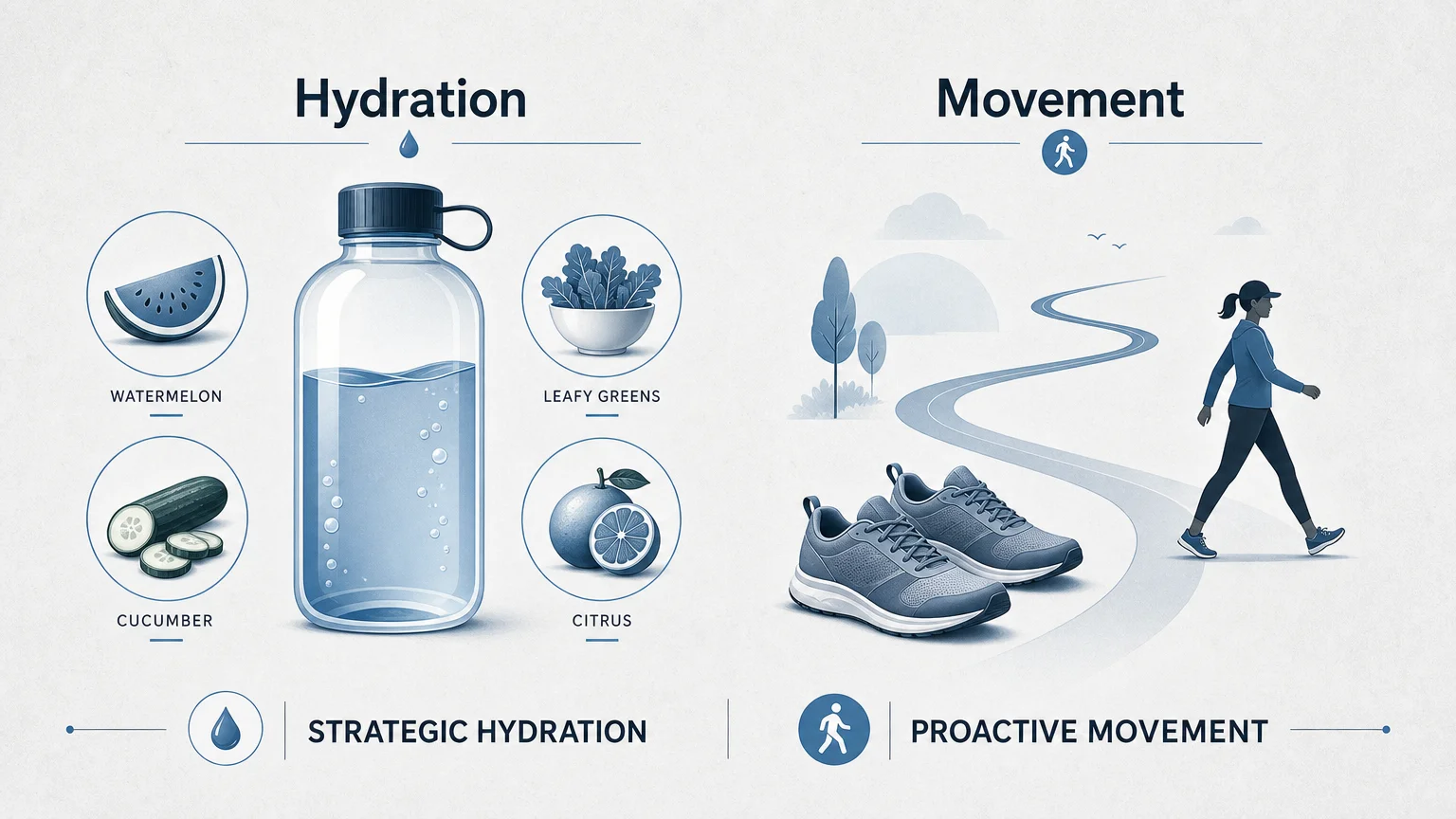
Hydration serves as your primary defense against both extremes of the digestive spectrum. When you experience nausea or a reduced appetite, your liquid intake naturally plummets, setting the stage for severe dehydration and chronic constipation. You must consciously prioritize water consumption throughout the day. Sipping clear liquids, herbal teas, or electrolyte-infused water can maintain your hydration status without overwhelming your stomach volume. The Academy of Nutrition and Dietetics emphasizes that increasing your daily water intake works synergistically with dietary fiber to promote regular, comfortable bowel movements.
Physical movement acts as a powerful catalyst for digestive regularity. When you engage in cardiovascular exercise, you stimulate the natural muscular contractions of your intestinal tract, a process known as peristalsis. Even gentle, low-impact movement can dramatically improve your bowel function. A brisk twenty-minute walk after your largest meal of the day can help push food through your digestive system, reducing the likelihood of severe bloating and constipation. You do not need to engage in intense, exhausting workouts to see these digestive benefits; consistent, moderate movement aligns perfectly with the physical activity guidelines established for optimal metabolic function.

Mindset and Medical Care When Facing Serious Risks
While gastrointestinal distress dominates the day-to-day experience of taking Ozempic, you must remain vigilant regarding the more serious, though rare, medical risks associated with GLP-1 receptor agonists. Managing your health holistically means understanding the difference between a common nuisance and a medical emergency. Pancreatitis—inflammation of the pancreas—represents a severe complication that requires immediate medical intervention. You should familiarize yourself with the warning signs, which include severe, relentless abdominal pain that may radiate to your back, often accompanied by vomiting that does not subside.
Gallbladder disease and the formation of gallstones also present documented risks for individuals utilizing semaglutide for rapid weight loss. When you lose a significant amount of weight quickly, your liver secretes extra cholesterol into your bile, which can solidify into painful stones. If you experience sharp pain in your upper right abdomen, particularly after eating a meal containing fat, you must promptly consult your physician. Working closely with your healthcare provider ensures that your organ function is monitored through regular blood panels and clinical check-ins, allowing you to intercept potential complications before they escalate.
The psychological impact of altering your relationship with food also requires your attention. Food often serves as a source of comfort, social connection, and cultural expression. When an injected medication suddenly removes your desire to eat, you may experience unexpected feelings of loss, anxiety, or social isolation. You are rewiring years of behavioral patterns, and doing so requires immense self-compassion. Consider engaging with a licensed therapist or a registered dietitian who specializes in metabolic health to help you process these emotional shifts and build a sustainable, healthy mindset alongside your physical transformation.

Real Voices from the Clinical Frontlines
Hearing from the professionals who guide patients through this journey provides invaluable perspective on managing Ozempic side effects. Clinical dietitians frequently emphasize that patient success relies heavily on proactive symptom management rather than reactive suffering. Many endocrinologists note that patients who establish a clear communication loop with their medical team experience far fewer treatment interruptions. “The patients who thrive on semaglutide are the ones who view their mild symptoms as feedback from their body, rather than a punishment,” notes a prevailing sentiment among clinical educators. “They adjust their portions, they increase their water intake, and they don’t wait until they are severely dehydrated to ask for help.”
Patients themselves often report a distinct learning curve. The initial weeks are frequently described as a period of trial and error, where individuals discover exactly which foods trigger their acid reflux or exacerbate their nausea. Over time, this daily symptom tracking evolves into an intuitive understanding of the body’s new boundaries. Many individuals utilizing GLP-1 therapies express profound relief once they master the art of stopping at the first sign of fullness, highlighting that the medication demands a complete relearning of physical hunger cues.
Frequently Asked Questions About Ozempic Symptoms
How long do the unwanted gastrointestinal symptoms usually last?
For the vast majority of individuals, the most severe side effects occur during the initial weeks of treatment or immediately following an increase in dosage. Your body typically requires four to six weeks to acclimate to a new dose of semaglutide. As your system adjusts to the delayed gastric emptying and altered hormonal signals, symptoms like severe nausea and bloating generally diminish. If your symptoms remain debilitating after several weeks, you must consult your healthcare provider to discuss potentially lowering your dose or adjusting your titration schedule.
Can I safely consume alcohol while taking semaglutide?
You should approach alcohol consumption with extreme caution while on this medication. Alcohol severely irritates the stomach lining and can dramatically amplify the nausea and acid reflux you already experience. Furthermore, alcohol interferes with your liver’s ability to release glucose into your bloodstream. Because Ozempic actively lowers your blood sugar, combining the medication with alcohol places you at a significantly higher risk for hypoglycemia—dangerously low blood sugar. The American Diabetes Association recommends strict moderation and careful monitoring of blood glucose levels if you choose to drink.
What should I do if I cannot keep any food or liquids down?
Inability to retain liquids constitutes a serious medical situation that requires immediate attention. If continuous vomiting prevents you from staying hydrated, you face a high risk of acute kidney injury due to severe dehydration. You should stop attempting to force large amounts of water and instead try sipping small teaspoons of electrolyte solutions. If you remain unable to keep even minimal fluids down for more than twenty-four hours, you must contact your doctor or visit an urgent care facility for intravenous hydration and medical evaluation.
Does stopping the medication immediately reverse the side effects?
Because semaglutide has a long half-life, the medication remains in your system for several weeks after your final injection. Therefore, you may continue to experience mild side effects, delayed digestion, and suppressed appetite for up to five weeks after stopping the medication. However, as the drug clears your system, your normal gastric motility will return. You should be prepared for your original appetite and previous blood sugar levels to resurface, which requires a robust, long-term plan for maintaining your metabolic health through ongoing lifestyle interventions.
Navigating Your Treatment with Confidence
Managing the most common side effects of Ozempic requires a blend of scientific understanding, strategic nutritional choices, and a strong partnership with your medical team. You wield incredible power over your daily comfort by simply modifying how quickly you eat, what types of foods you prioritize, and how diligently you hydrate. The physical discomforts you face during the adaptation phase represent your body’s active response to a profound metabolic reset.
Your first manageable step toward better symptom control starts at your very next meal: serve yourself exactly half the portion you normally would, and dedicate a full twenty minutes to eating it. Notice how your body responds to the slower pace and the reduced volume. As you continue your journey toward lasting health, ask yourself: how can you better listen to the new signals your body is sending you today?









Leave a Reply