
Is what the FDA says about Red Dye 3 true?
The FDA (the Food and Drug Administration) is known for regulating the use of a lot of chemicals in foods and everyday items, yet there seems to be something special about Red Dye 3.
The Center for Science in the Public Interest, along with about 23 other organizations, have been urging the FDA to ban the use of this dye in foods, oral medicine, and supplements, but so far with little to no avail.
What’s the deal with Red 3, since you’ve probably heard about Red 40? This dye has been known to be carcinogenic for years, and it has been banned for the use of cosmetics and internally applied medications for years.
However, while it is illegal for manufacturers to use it in the likes of lipsticks since it can get into your mouth, there are still a lot of candies and other types of sweets, food products, and drinks without it seemingly posing any concerns.
In reality, the FDA has known since the early 1980s that Red Dye 3 causes cancer in laboratory animals, and based on that, they managed to get it banned for cosmetics in 1990.
Back then, it was announced that it was taking steps to ban it for foods and other everyday items too, but it’s been years since we heard anything about it.
So what is the big deal with Red Dye 3? What do we know about this artificial color, and what are the most common foods that we should avoid? You will find answers to all of these questions in today’s article!
Keep on reading to discover all we know about this artificial color today and make an informed decision for yourself!
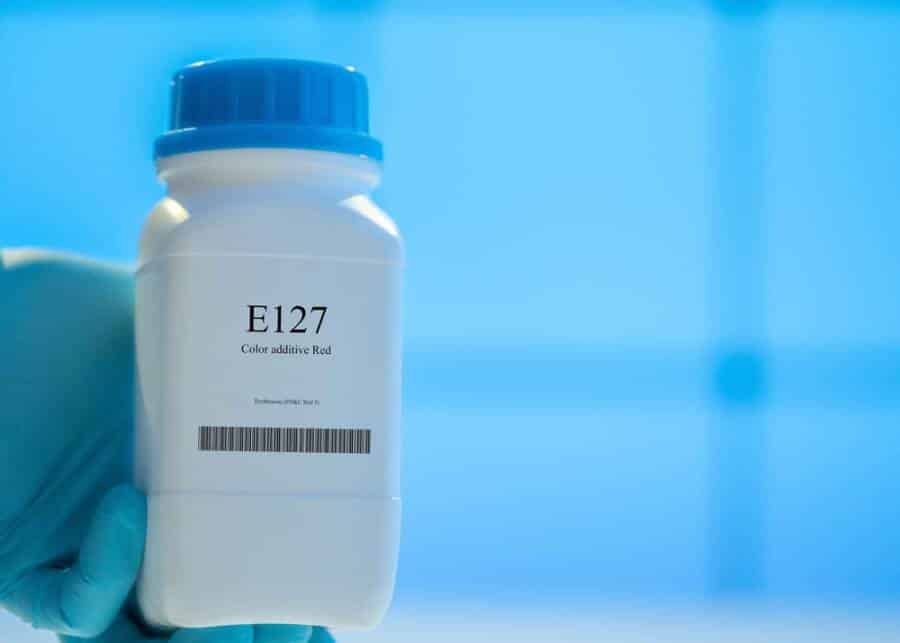
What is Red Dye 3?
Also known as Erythrosine, Red Dye 3 is a synthetic color that is made from petroleum, also known as coal tar dye.
Since it was invented back in the 1900s, this particular type of dye has become increasingly popular, and more and more industries have started to use the bright red color for their items.
This included the likes of the drug and food industries since saturated red is a great color that attracts the attention of customers, which prompted them to make it their go-to color choice for confectioneries, drinks, and many other products.
Since Red Dye 3 is an artificial colorant, it has no functional or health purpose, but the brain is hardwired to like red-colored foods, which explains very well why they have gotten into the habit of using this red dye in most foods.
It is a marketing ploy more than anything since if their product has this color, it would make consumers more likely to buy that particular item.
Thus, even if the FDA knows and says the coloring may be detrimental to people’s health, it makes companies extremely unlikely to discontinue its use since it brings in a lot more profit.
What are the risks associated with Red Dye 3?
What is most concerning to researchers and scientists are the long-term effects of consuming large amounts of Red Dye 3. Studies have shown over the years that there is a direct link between high doses of the colorant and rats developing thyroid cancer.
The FDA has known for decades that this type of colorant has been linked with cancer development in animals, and while it is not a definitive sign that it will have the same effects in humans, it is not something that can be ignored.
The chemical has been banned for use in cosmetics, so many organizations believe it should be enough to ban it for use in food, drinks, supplements, and medicine as well.
Recently, studies have been done that have shown a direct correlation between those who eat Red Dye and behavioral issues.
This research has been what has informed the Californian law that bans the commercialization of products that use this type of artificial colorant in their products.
These studies have also shown that even some small doses of the colors can make children more restless when compared to those who do not have added dyes in their diets.
The reason why children are the main focus is that since their bodies are smaller and the products that contain Red Dye 3 are generally marketed towards children (like sweets and sugary drinks), which can in turn show the potential behavioral issues and health effects easier.
Despite all of this, the color industry has been refusing the science that shows these dyes are dangerous for years, always citing “insufficient evidence.”.
Foods that contain Red Dye 3
The good news is that only certain types of foods are allowed to contain this type of red dye, or otherwise they cannot be sold on U.S. soil. The FDA also has regulations that mention that all products that include it must have it listed in the ingredient list.
Despite this, they do not have any regulations that dictate how much of the food coloring can be present in the products.
Keep on reading to discover the list of foods that may include Red Dye 3 so you know to check the label.
1. Cereal
Some of the most popular breakfast cereals out there contain this food colorant. The sad part is that they’re marketed to children, so if you have thought that your kid is acting strange after breakfast, test to see if another cereal has the same effect.
The most popular ones include Fruity Pebbles, Lucky Charms, Cap’n Crunch’s Crunch Berries, and Trix.
Keep in mind that there are also some processed oatmeals that have red fruits, and some breakfast bars can also contain food dyes, and you need to check them too.
2. Pastries and other baked goods
A lot of mixes gave Red Dye 3, especially the likes of cake mix for red velvet, along with other baked goods and mixes. Some of the most common ones also include cake frosting, pie filling, cookies, and breaks.
Basically, if you have a product that is pink or red in appearance and berry-flavored, there is a chance this artificial color is in its ingredient list.
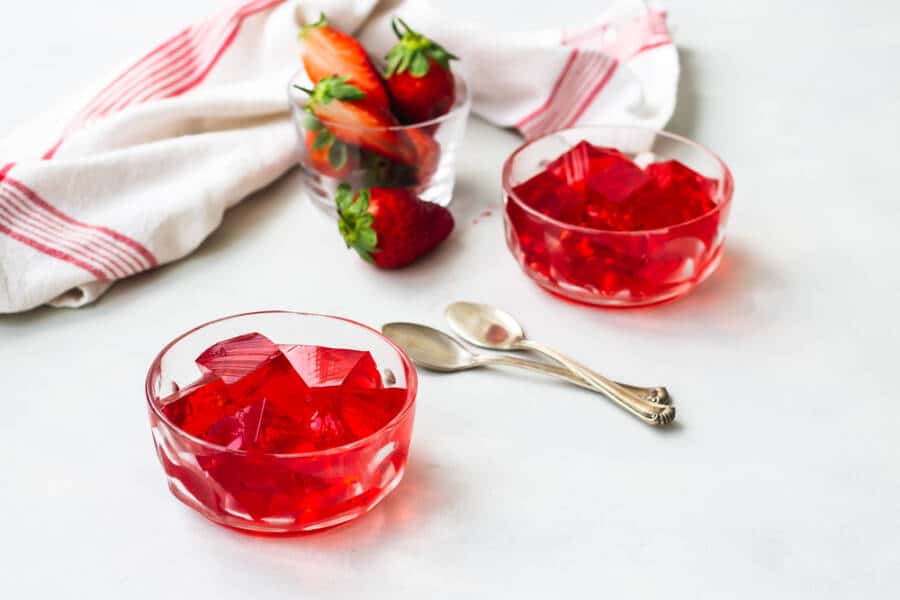
3. Fruit snacks and some pre-packaged fruit
Jell-O, canned and dried fruits, gruit-flavored candies, and gummies more often than not contain added food dye in order to have a brighter color.
Even the famous maraschino cherries are made with Red Dye No. 40 (another type of artificial coloring), and they are not the only ones. You can also find these colorings in colored marshmallows and some pudding mixes.
Chocolate candies with fruit are also in this category, as they can also have the red dye to upkeep the red color.
You can also expect to see it in a lot of products that contain gelatin.
4. Soda, sports drinks, and drink mixes
Soft drinks are not good for you; we all know that, but it’s mainly due to the sugar content. Likewise, a lot of them that have raspberry, cherry, or strawberry flavoring also contain dyes.
Surprisingly, even Orange Crush has red dye, and some iced tea brands and juices have it too, like Brisk Raspberry Iced Tea.
Sports drinks, with their unnatural colors, obviously contain dyes, including the likes of Gatorade, and drink mixes like Kool-Aid are other products that we are not surprised to see on this list.
Recently, the likes of nutritional shakes, protein powders, and mixes for pre-workout have been found to have traces of red food dye.
5. Snacks
With the likes of Flamin’ Hot Cheetos, it is not surprising that they contain this artificial color, but know that a lot of snacks that are cheese flavored or have nacho cheese are also on the list.
Other well-known brands include the likes of Doritos and there have been other corn and potato chips brands that have spices that have added dye to make the product more appealing, the recent discovery being Flamin’ Hot Fritos.
If you want to color something red but do not want to rely on chemicals, we recommend you use Beetroot Powder Red E162, which is a natural coloring agent!
Unfortunately, cancer is a very sneaky disease, and you can never know when it may end up manifesting, no matter the age of the person or what they consume. Staying informed is the best way to avoid being totally surprised and it can also help you reduce risks! If you want to be informed, check out the best ways to reduce the chance of colon cancer here!








Leave a Reply