
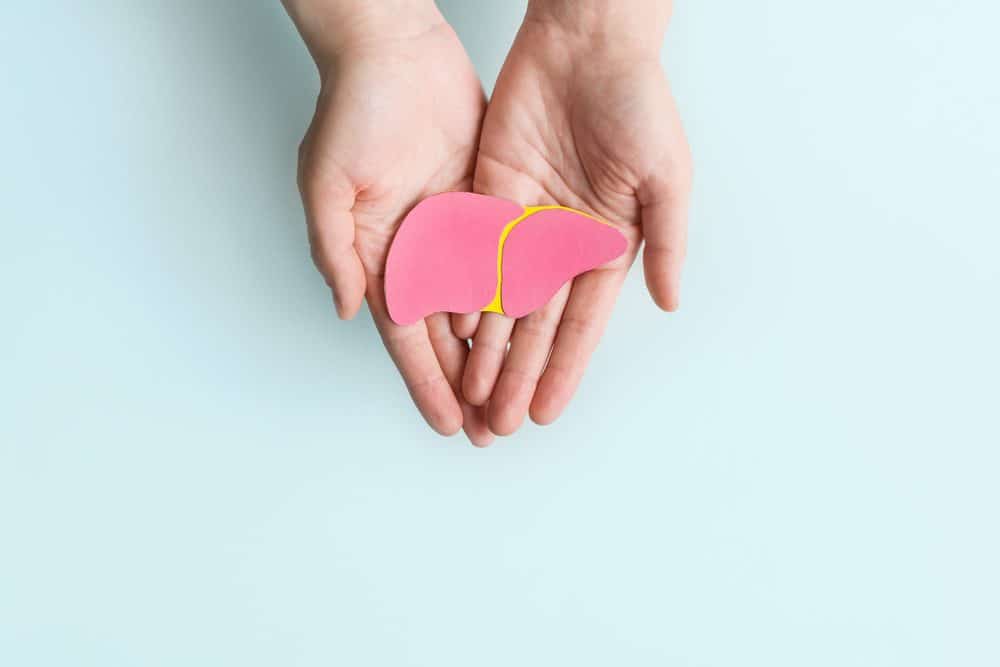
What is liver failure?
Acute liver failure is mainly defined as a sudden loss of liver function in a person who did not have any prior liver illness. Hepatitis infection or drugs like acetaminophen are the most prevalent causes. Acute liver failure is uncommon compared to chronic liver failure, which takes longer to develop.
Acute liver failure, sometimes called fulminant hepatic failure, may lead to significant consequences such as heavy bleeding and increased brain pressure. It’s a life-threatening emergency that necessitates immediate medical attention. Acute liver failure may occasionally be treated and reversed, depending on what caused it. However, in many cases, a liver transplant seems to be the only option.
Keep reading to learn more about liver failure, what are the causes and stages, and how to prevent it.

Causes
Because there are two different types of liver failure, the causes vary as well.
In the case of acute liver failure, some causes can be hepatitis, adverse responses from antibiotics or anti-epileptic medicine, metabolic conditions, autoimmune conditions, or exposure to toxins. This disease occurs rapidly and can have many more causes than the ones stated before.
Cirrhosis is a common cause of chronic liver failure. Cirrhosis is damage to the liver caused by repetitive or long-term trauma, such as heavy alcohol consumption over time or chronic hepatitis infection. The liver’s capacity to operate deteriorates when scar tissue substitutes functional liver tissue. Other causes may include nonalcoholic fatty liver disease and disorders affecting the bile ducts.
Symptoms
There are some common signs for both types of liver failure, such as:
1. Yellow skin or eyes
It is a common symptom to have a yellow tint in your skin or eyes. This is because of increased bilirubin, a metabolic waste product that the liver filters. When they don’t operate, the levels in the blood increase, coloring the skin and eyes yellow. It is not uncommon for patients to also report irritation and be confused.
2. Abdominal pain
Even though the liver is the biggest organ in your body, it might be difficult to determine the source of your pain. It’s simple to mistake it for stomach ache, which is close to its left. A painful liver might induce discomfort in the center of your abdomen, back, or even shoulders, depending on what causes it.
The liver doesn’t have pain receptors. The discomfort usually occurs because the barrier that covers it has become inflamed as a result of a disease or damage.
3. Feeling tired
People with liver disease regularly encounter fatigue as a symptom. Although the exact cause of fatigue in liver illness is unknown, it appears to be related to abnormalities in central neurotransmission caused by signaling between the dysfunctional liver and the brain.
4. Nausea
Nausea and vomiting are other typical signs of liver disease, which is caused by a toxic excess in the liver. This, in response, causes indigestion and other gastrointestinal problems, which can lead to vomiting.
5. Feeling confused
Feeling confused or disoriented may come together with nausea and tiredness. This symptom is usually hard to correlate with liver dysfunction, as it may be caused by a variety of things, but if you feel confused and notice other signs mentioned before, you should go to the hospital right away.
6. Build up fluid
This is a symptom that may suggest extreme forms of chronic liver failure and is caused by improper function of the liver. When the liver does not function properly, fluid fills the gap between the abdominal lining and other organs.
Stages
-
Inflammation
Your liver gets bigger or inflamed at this early stage. Many persons with liver inflammation are asymptomatic. If the inflammation persists, severe consequences may develop.
-
Fibrosis
Fibrosis occurs when the liver becomes inflamed and scarred. The scar tissue that forms during this stage replaces healthy liver tissue, but it is unable to fulfill the same duties. Your liver’s capacity to operate effectively may be harmed as a result of this.
Because symptoms aren’t always present, fibrosis might be difficult to identify.
-
Cirrhosis
In this stage, cirrhosis has progressed to the point that your liver has developed extensive damage. It’s significantly more challenging for your liver to operate correctly since there’s insufficient healthy liver tissue.
While you may not have had any symptoms before, you may suddenly be experiencing the signs and symptoms of liver disease.
-
End-stage liver disease (ESLD)
ESLD is the stage in which the liver has reached a dangerous level of damage, due to cirrhosis. This stage is often times associated with further complications, subhepatic encephalopathy, and ascites. In this stage, the damage can not be reversed with medication, and the only option is to have a liver transplant.
-
Liver cancer
Cancer is defined as the growth and expansion of abnormal cells. Primary liver cancer occurs when cancer begins to form in the liver. Cirrhosis puts patients at a higher risk, even though it can happen at any point of liver failure. For developing liver cancer, this is a common source.
How to prevent it
A healthy lifestyle can increase your overall health and prevent many diseases, including liver failure, as most health issues are caused by our actions. Since alcohol abuse is a common cause of this issue, it would be best to avoid it, especially in combination with other medications. You should also take meds only when necessary, at the doctor’s recommendation, and not more than mentioned on the prescription.
Maintaining a healthy weight is also recommended since there is a strong connection between being overweight and fatty liver disease. But overall, a good way to make sure your liver is healthy is to do regular check-ups with your doctor.

How to treat it
Because liver deterioration leads to liver problems, treatment entails treating the underlying causes of liver failure.
Antivirals, for instance, can be used to cure viral hepatitis, whereas immune suppressive remedies can be used to manage autoimmune hepatitis.
As part of your prescription, you may be advised to make certain lifestyle adjustments. Staying away from drinking, reducing weight, and minimizing the use of certain medicines are examples of these.
As per the American Liver Foundation, the harm caused by liver failure’s inflammation and fibrosis phases can be reversed and cured if identified and treated at the right time. Cirrhosis causes liver damage that is frequently irreversible, however, it can be delayed or reversed.
A liver transplant may be recommended for both acute and chronic liver dysfunction if they are in more advanced stages. Before putting transplant patients on organ waiting lists, doctors meticulously test them to ensure that a new organ would benefit them.
But if you want to keep your liver healthy and happy, you can try out these natural supplements. They contain 3 main ingredients amino acid, vitamin B12, and phospholipids which are highly recommended for a healthy liver.
Overview
With adequate care and lifestyle adjustments, the beginning phase of liver failure can generally recover over time. The final stages of liver failure, on the other hand, are irreversible and may necessitate a liver transplant. So if you feel like something is wrong and experience any of the symptoms above, you should seek immediate medical attention.
Has your liver been bothering you lately? Don’t forget to share your experiences in the comment section below!
And if you found this article helpful, you might also want to check out: Feeling Frequent Hand Pain? Here Are 5 Possible Reasons for It







Leave a Reply