
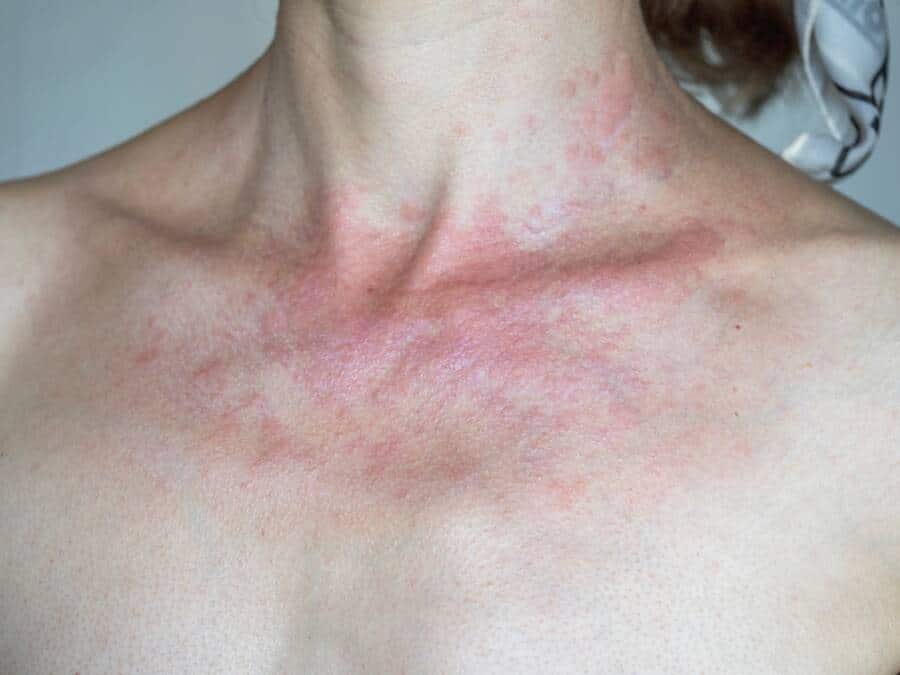
Do you have a sun allergy?
It may sound strange, but yes, you can be allergic to the sun. In fact, according to recent research, this allergy may affect up to 20% of the world’s population. An allergy to the sun’s ultraviolet (UV) rays, which are produced by the sun itself, is known as photosensitivity or sun allergy.
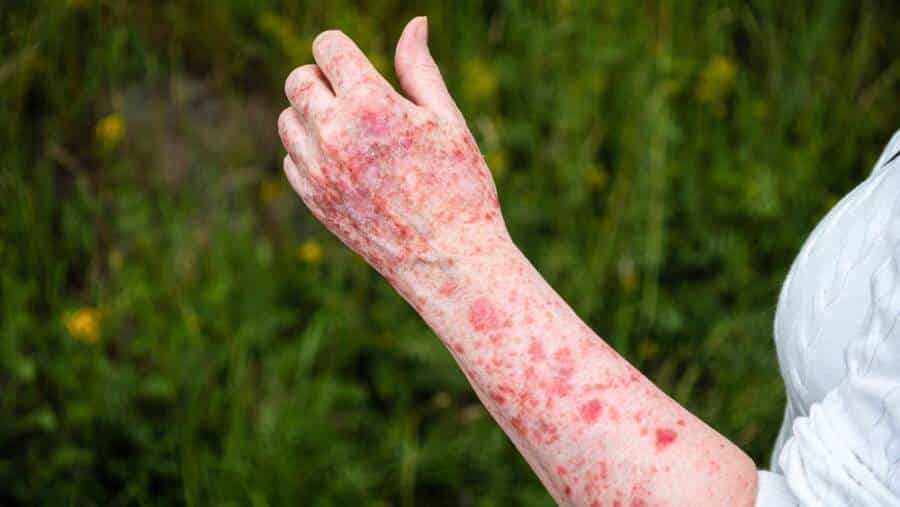
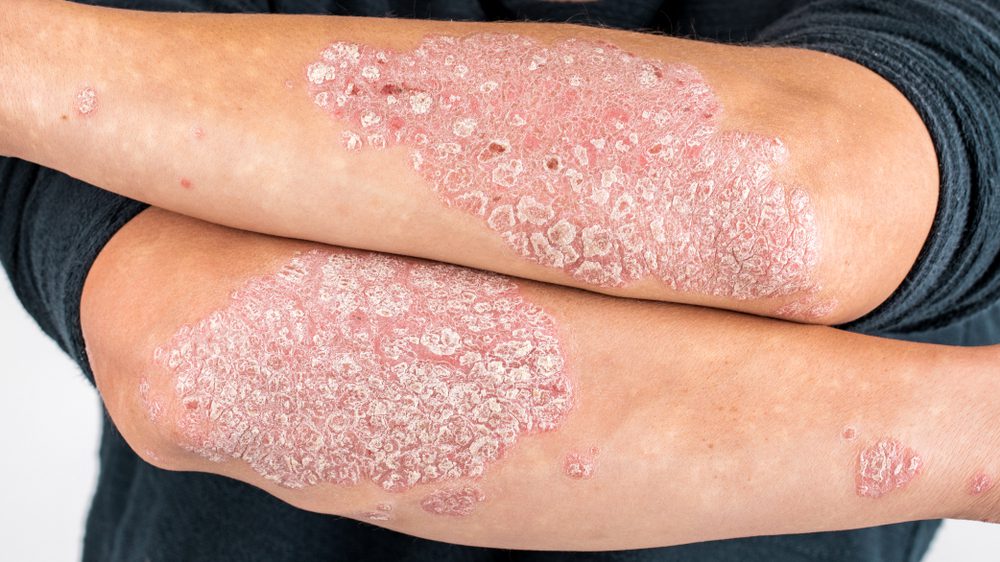
If by any chance you are among those who suffer from sun allergy, the major symptoms that you will experience are itching, severe blistering, or peeling rash.
Sun allergies can be brought on by genetics, certain drugs, and underlying autoimmune diseases. Although the course of treatment may differ from person to person, most allergies can be resolved with a few days away from the sun and the appropriate medication as directed by the doctor.
For more in-depth of the subject, symptoms, and other notable things about sun allergy, continue reading the article:
What causes sun allergy?
It is uncertain what specifically causes solar urticaria. It happens when your skin cells release histamine or a related substance in response to sunshine. The process is referred to as an antigen-antibody response.
Your immune system creates antibodies to combat the specific antigen or irritant that responds to sunshine, causing that kind of response.
Use of antibiotics or other medications, especially sulfa drugs, dermatitis, frequent use of fragrances or disinfectants, or a family history of the condition can all increase your chance of developing a sun allergy.
How do you know if it’s sun allergy or heat rash?
The major difference between these two is that heat rash can occur without sun exposure. How? Sweat builds up behind your clothes or covers due to blocked pores, resulting in heat rash.
Any area of the body that sweats, specifically where the skin folds, may develop heat rash in hot, humid conditions. The spaces below your breasts, in between your thighs, and between your armpits are areas where you may be more susceptible to heat rash. You can develop a heat rash during any season, not just in the summer.
How is it diagnosed?
Sun allergy typically manifests itself within minutes of sun exposure and fades quickly after you go in the shade, and fortunately, it doesn’t cause any wounds. Before making a clear diagnosis, your doctor will need to do more tests and interview you about your medical history and how you respond to sunshine.
Although skin biopsies and blood tests are the most popular methods for identifying sun allergies, patch testing—which involves using several compounds known to cause allergies to your skin, waiting a day, and then exposing it to a UV lamp—can also be asked by the doctor.
What are the symptoms of a sun allergy?
There is more than one type of sun allergy: photoallergic reaction, actinic prurigo, solar urticaria, and polymorphous light eruption. Each of these allergies has its symptoms and treatments, and we will discuss all of them one by one in the following lines.
-
Polymorphous Light Eruption (PMLE) Symptoms
PMLE symptoms might include redness or scaling of the skin, an itchy or burning rash, and tiny red bumps or blisters on sun-exposed skin. These symptoms often appear one to four days following sun exposure. Usually, the head, neck, chest, and arms are the areas of skin that are exposed to sunlight when the rash first occurs. It doesn’t always impact the face.
It is most often mistaken for heat rash due to the way it appears on the skin, however, it is best to consult your doctor for a diagnosis.
-
Actinic Prurigo Symptoms
Actinic prurigo symptoms typically show up soon after being exposed to the sun and fade away in a few days. More time spent in the sun can exacerbate the allergic reaction to sunlight and result in a repeat of symptoms such as red bumps, hives, or tiny blisters, as well as burning or itchy sensations and bumpy or scaly areas on sun-exposed skin.
Patients may occasionally develop isolated instances of red eyes (conjunctivitis) and dry, painful lips (chelitis).
-
Solar Urticaria Symptoms
The symptoms of solar urticaria can appear minutes after sun exposure and include a burning or stinging feeling on the afflicted skin, raised, itchy spots called hives, and redness and swelling in the exposed regions.
The loss of fluid via the skin may cause dizziness, headaches, nausea, and vomiting if significant parts of the body are affected. Although you may think that wearing long sleeves and white clothing will protect you, your skin can still be affected by UV rays depending on how thick or soft the material is.
-
Photoallergic reaction
Certain cosmetics and medications can trigger a photoallergic response when exposed to sunlight. Therefore, within hours or days after being exposed to the sun, you may suffer symptoms like a rash that extends beyond sun-exposed areas, an itchy rash or red blisters that form on sun-exposed skin, as well as swelling and pain on the afflicted skin.
While these symptoms resemble a lot of the ones mentioned above, it can be a bit tricky to diagnose them. However, you are likely more susceptible to this condition if some members of your family have it. Severe sun-related skin responses can also be caused by certain disorders, including porphyrias and systemic lupus erythematosus.
Can sun allergy be avoided?
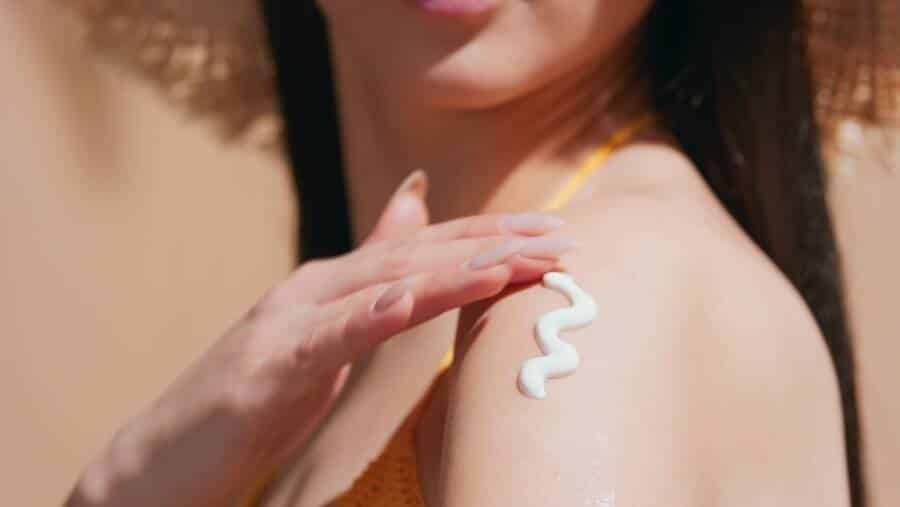
Applying sunscreen might help lessen the consequences of a sun allergy, but it’s recommended to speak with your doctor to determine which kind of cream would work best for you as applying it may exacerbate your sensitivity to sunlight (a photoallergic reaction).
If at all possible, try to cover up any exposed skin, use sunglasses, stay out of the sun, and avoid going out during the warmest hours. Also don’t forget to get a sun straw hat. They’re light and easy to wear and protect you from the sun. On Amazon, they have a plethora of hats available starting from $20.
Can you live with a sun allergy?
Having a sun allergy may have a significant impact on many aspects of your life, including employment and social activities with loved ones. Even though having a sun allergy might be difficult, you can control your symptoms, enjoy time outside, and have a meaningful life by adopting lifestyle changes and taking your meds as directed.
Besides a full medical treatment for sun allergies, you can also rely on homemade remedies, however, be careful because they are only meant to be used for minor skin irritations.
Aloe vera juice helps calm the skin and stop the irritation caused by sun allergies. Simply cut a leaf, then apply the juice to the injured area. Give it more than fifteen minutes to sit. Mineral-rich healing clay reduces inflammation, calms sunburned skin and soothes skin. All you have to do is combine the therapeutic clay with cold water to make a paste that can be applied to the afflicted regions to ease the symptoms of a sun allergy. After letting it dry, give it a water rinse.
Finally, but just as importantly, apply a cold compress to the injured region. It can ease the redness and itching brought on by a sun allergy.
You may also want to read: Running Low on Energy? These 10 Supplements Will Help You.







Leave a Reply