
Gum health is essential for strong teeth. The gums are made of soft, skin-like tissue and cover the bones where the teeth are attached. They adhere tightly to the surface of the teeth, blocking the penetration of deep plaque bacteria.
Healthy gums have a pale pink or coral hue, but depending on ethnicity, they may contain other pigments. Changes in the gums, such as redness, inflammation, or bleeding during brushing or flossing, as well as their retraction, may be signs of gum disease.
While people already know that health is one of the most important things they have, they sometimes forget that gum health is important too.
But improving your gum health isn’t such a hard thing to do, and if you don’t want to end up in the dentist’s chair, paying lots and lots of money to get your oral health back on track, then this article is for you!
Do you want to improve your gum health easily and quickly? Then keep reading!
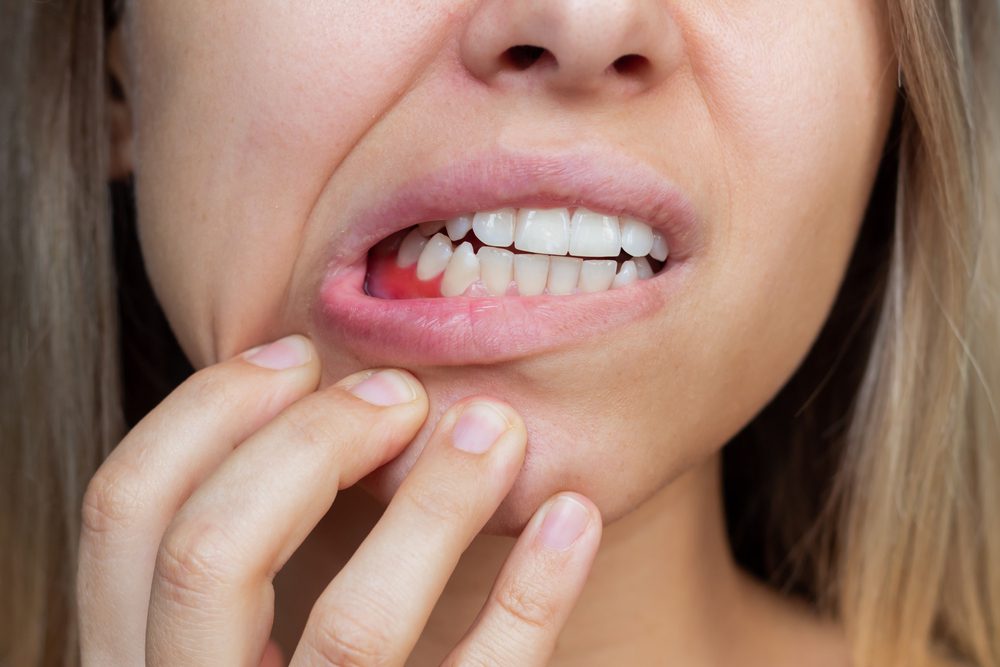
WHAT IS GINGIVITIS?
Gingivitis is a superficial inflammation of the gums. It is caused by bacteria and is the first stage of periodontal disease. Unlike the next stage, periodontitis, is reversible. If you leave it untreated, it can lead to a more serious condition and even lead to loss of teeth.
As for periodontal disease, it is the most common chronic inflammatory condition.
So if you want to take care of your gum health, you should try your best to stay away from gingivitis. However, it’s not that simple since 8 out of 10 people over the age of 35 have a form of gum disease; it ranks 6th among the most common diseases; it can lead to tooth loss and other damage to the whole body; it doesn’t cause pain or severe discomfort; and the most common symptom is bleeding gums.
MAIN CAUSES OF GINGIVITIS
Before we talk about ways to improve your gum health, we have to talk about the main causes of gingivitis. Terrible oral hygiene is the reason for gingivitis in more than 70% of the cases. This promotes the accumulation of excess dental plaque and inflammation of the gums.
Dental plaque is made of bacteria that settle on the surface of the teeth when food debris and sugar come in contact with the bacteria that are commonly found in the oral cavity.
As the plaque builds up and is not removed in time, it begins to harden. Dental plaque should be removed daily by brushing. Otherwise, it turns into tartar. In turn, tartar begins to accumulate bacteria and irritate the gums, and it can only be removed by descaling at a dental clinic.
The longer the tartar stays on the tooth surface, the more it will irritate the gums, which will become inflamed, so you can say goodbye to your gum health. Over time, the gums turn red and may bleed. If left untreated, gingivitis can lead to cavities, periodontal disease, and even tooth loss.
Gingivitis can occur in any person who does not follow the rules of dental hygiene, but there are some other risk factors you should be aware of in the occurrence of this condition, such as smoking or chewing tobacco, old age, having a diet low in vitamin C, dry mouth syndrome, dental interventions that make it difficult to clean your teeth properly, hereditary factors, and certain drugs.
As mentioned above, untreated gingivitis can lead to periodontitis and, in some cases, even tooth loss. Chronic inflammation of the gums has also been associated with respiratory illness, diabetes, rheumatoid arthritis, or coronary artery disease.
Some studies suggest that the bacteria that cause periodontitis can enter the bloodstream through the gingival tissue and therefore other more serious health problems can occur.
Acute necrotizing gingivitis is a severe form of gingivitis that causes pain, infection, bleeding, and even mouth ulcers. However, these cases are not common and occur only in exceptional situations. The main sign of gingivitis is gingival bleeding, which does not occur when we are talking about smokers.
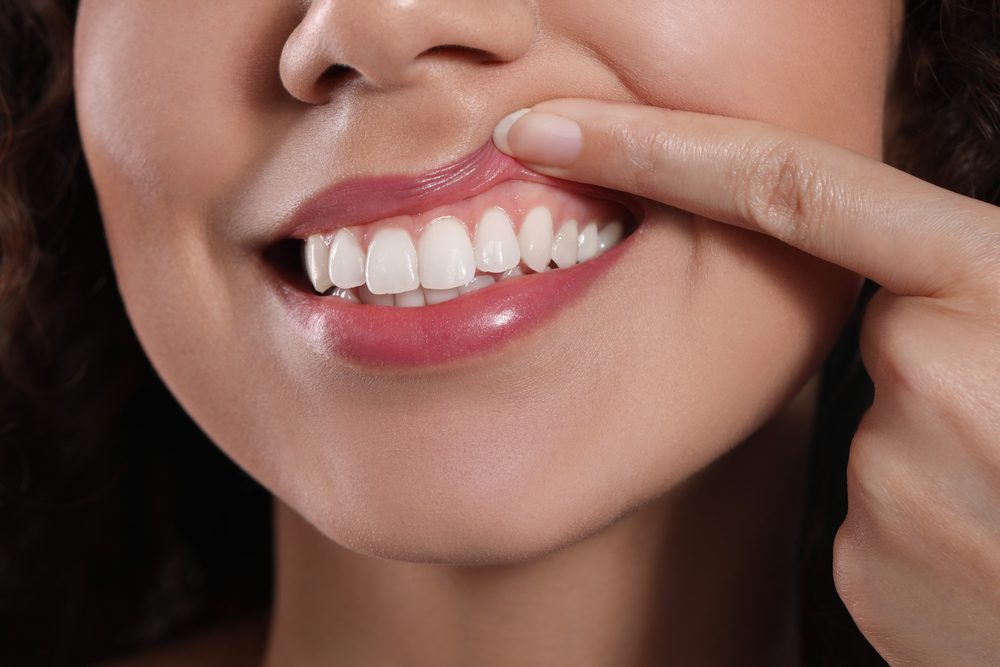
Other signs of gingivitis
As we’ve previously said, taking care of your gum health should be one of your priorities, but if you suffer from gingivitis, it could take a while for your dental health to come back on track.
Speaking of that, there are also other gingivitis symptoms you should pay attention to, such as swollen gums or gums that turn a shade of dark red, bleeding gums during brushing, bad breath, gingival retraction, and sensitive gums.
When these symptoms occur, it is recommended to go to the dentist. The sooner you treat gingivitis, the less likely it is to appear and also less likely to develop other complications, meaning that your gum health will be at the top of its game.
What is important to remember is that healthy gums are firm, have a pale pink hue, and are fixed on the teeth, and any significant change can be a sign of a problem.
So let’s find out several things we can do to improve our gum health!
1. Brush your teeth every morning and every evening
Brushing should take at least two minutes. This way, you will have enough time to brush every tooth surface. Make sure you brush your back teeth. Whether you use a typical toothbrush or an electric one, it is important to know that you need to change it every 3 months. If its brushes are bent and damaged, you can replace it sooner.
Electric toothbrushes are known for keeping your teeth cleaner and, therefore, improving your gum health. If you’re looking for a fantastic device to keep your oral hygiene on point, here‘s a good one for you to try!
2. It’s very important to clean the spaces between your teeth, that you can’t reach with a toothbrush
If you do not clean this area, food, tartar, and bacteria will accumulate here. To clean the gums and those narrow spaces you can use dental floss or special cleaning devices, which release jets of air and antimicrobial mouthwash, removing the bacterial plaque that brushing cannot remove.
3. A fluoride toothpaste is wonderful for gum health
Fluoride protects tooth enamel and reduces the risk of cavities. To be effective, a good toothpaste must contain a certain level of fluoride. Everything counts when it comes to improving your gum health.
4. Use mouthwash
Choose a mouthwash that contains fluoride. If you use fluoride mouthwash after brushing your teeth, it will help the fluoride to reach the enamel on the entire surface of the teeth. Swish the water around in your mouth for two minutes to allow it to effectively cover all your teeth.
5. Brush your tongue too
The surface of your tongue isn’t smooth. For this reason, food and bacteria can accumulate on it. In this way, the tongue becomes a source of bacteria that can be transferred to the teeth. You can either brush your tongue or you can use a special tool to clean it.
Some toothbrushes have a hard rubber patch on the tail that you can use to clean your tongue. Rinse your mouth after you’re done, and you’ll notice your gum health getting better and better by the day!
6. Do not smoke!
Smoking will make your teeth yellow and increase your risk of getting oral cancer or gum disease. Even if we’re not talking about these kinds of severe conditions, smoking is still not indicated because it can cause dehydration and bad breath.
Cigarettes are addictive and common, affecting the nervous system, arteries, respiratory and circulatory system. Most people associate the harmful effects of smoking with lung cancer, without thinking about other forms of cancer, namely laryngeal, bladder, lip, or gastric cancer.

7. Limit the amount of sugar you consume
Sugar erodes tooth enamel because when it decomposes it produces acids that attack the enamel. This increases the risk of cavities. It is good to reduce desserts such as cakes, ice cream, sweet juices, and coffee or very sweetened teas.
8. Eat less sticky foods
Sticky foods refer to sweets like jellies, caramels, candied figs, chewing gum with sugar, etc. These sweets leave a thin layer of sugar over the teeth that are difficult to remove.
9. Reduce the amount of alcohol you intake
Alcohol also damages tooth enamel. Like smoking, alcohol can cause dehydration and bad breath. Also, it can affect your stomach and your liver. Another unpleasant effect, dangerous for both you and others, is violence and other forms of aggression.
Under the influence of alcohol, you can misread a remark or gesture, which may lead to aggressive and violent behavior and that’s absolutely no secret.
10. Make regular visits to the dentist
Prevention will always be a better solution than treatment and the same rule applies to your gum health. You don’t have to wait for a problem to go to the dentist. There are also preventative treatments that will make your teeth stronger.
Those are some of our best tips for improving your gum health! Follow them, and you’ll be surprised! If you want to read something that is just as interesting, click here: 7 Subtle Signs You Have a Weak Immune System!









Leave a Reply