

Experiencing constant stomach gas relief and resolving uncomfortable bloating changes how you move through your entire day. You can reclaim your digestive health by targeting the hidden dietary triggers and movement habits that trap excess air in your gastrointestinal tract. Occasional gas is a normal byproduct of bacterial fermentation, but persistent discomfort often signals an imbalance in how you eat, manage stress, or digest specific complex carbohydrates. By applying proven, science-backed adjustments to your daily routine, you can significantly reduce gas naturally and soothe gastrointestinal distress. The right gas relief tips allow you to focus on your life rather than your digestive system, bringing lasting comfort and renewed energy to your daily activities.
The Science of Gastrointestinal Gas
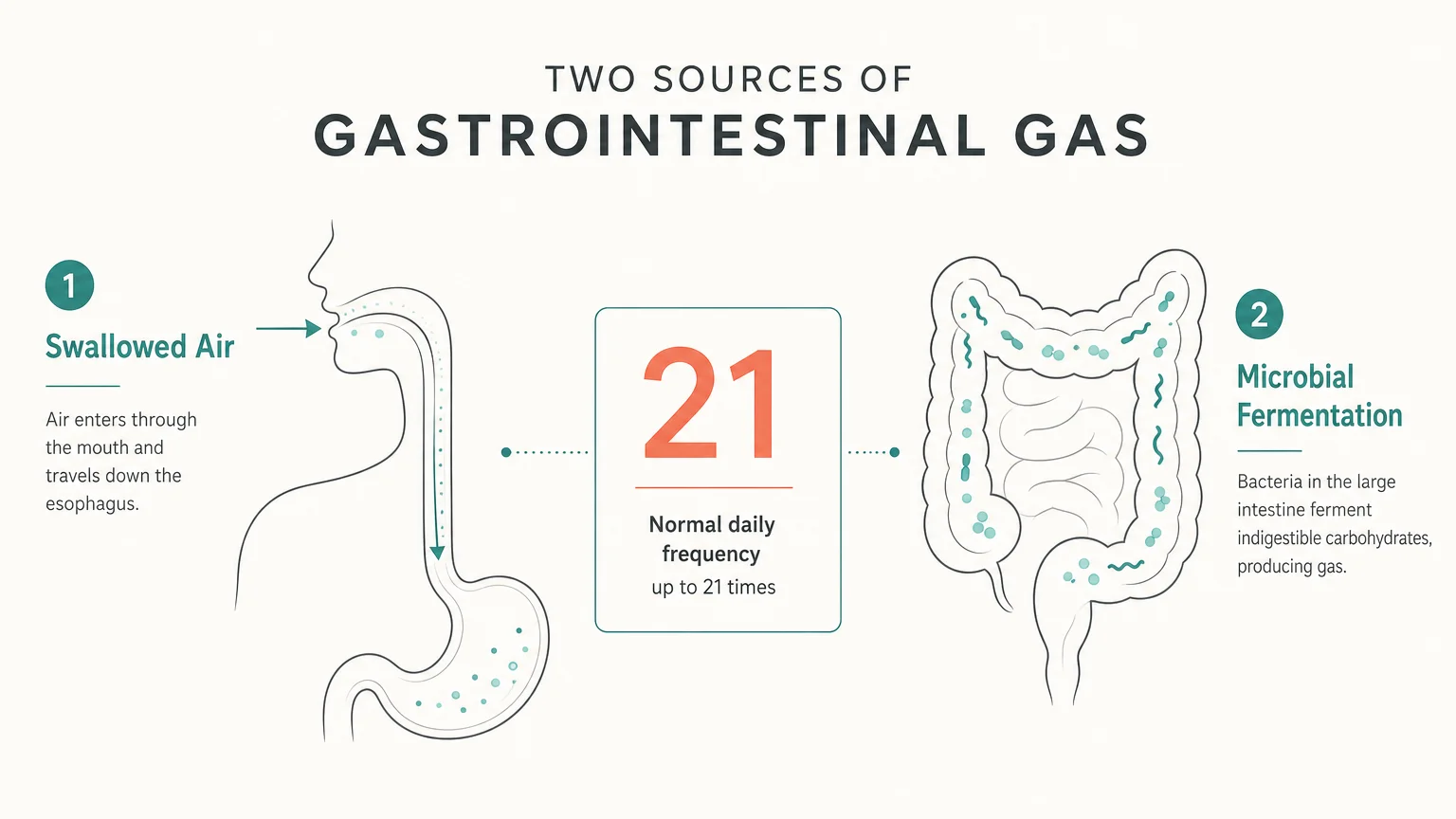
Before implementing specific interventions, you need to understand exactly how gas accumulates in your body. Medical professionals typically point to two distinct sources for gastrointestinal air: swallowed air and microbial fermentation. Swallowing food or beverages naturally introduces air into your esophagus. Meanwhile, lower in your digestive tract, trillions of symbiotic bacteria break down the dietary fibers and carbohydrates that your own enzymes cannot process. The National Institute of Diabetes and Digestive and Kidney Diseases notes that passing gas up to twenty-one times a day falls completely within the realm of normal human physiology. However, when structural blockages, sluggish gut motility, or hyper-fermentation trap this air, the resulting distension creates the physical pain you recognize as bloating. Understanding this dynamic interplay allows you to make informed, proactive choices about your health and target the root causes of your discomfort.
Trick 1: Master the Mechanics of Mindful Chewing
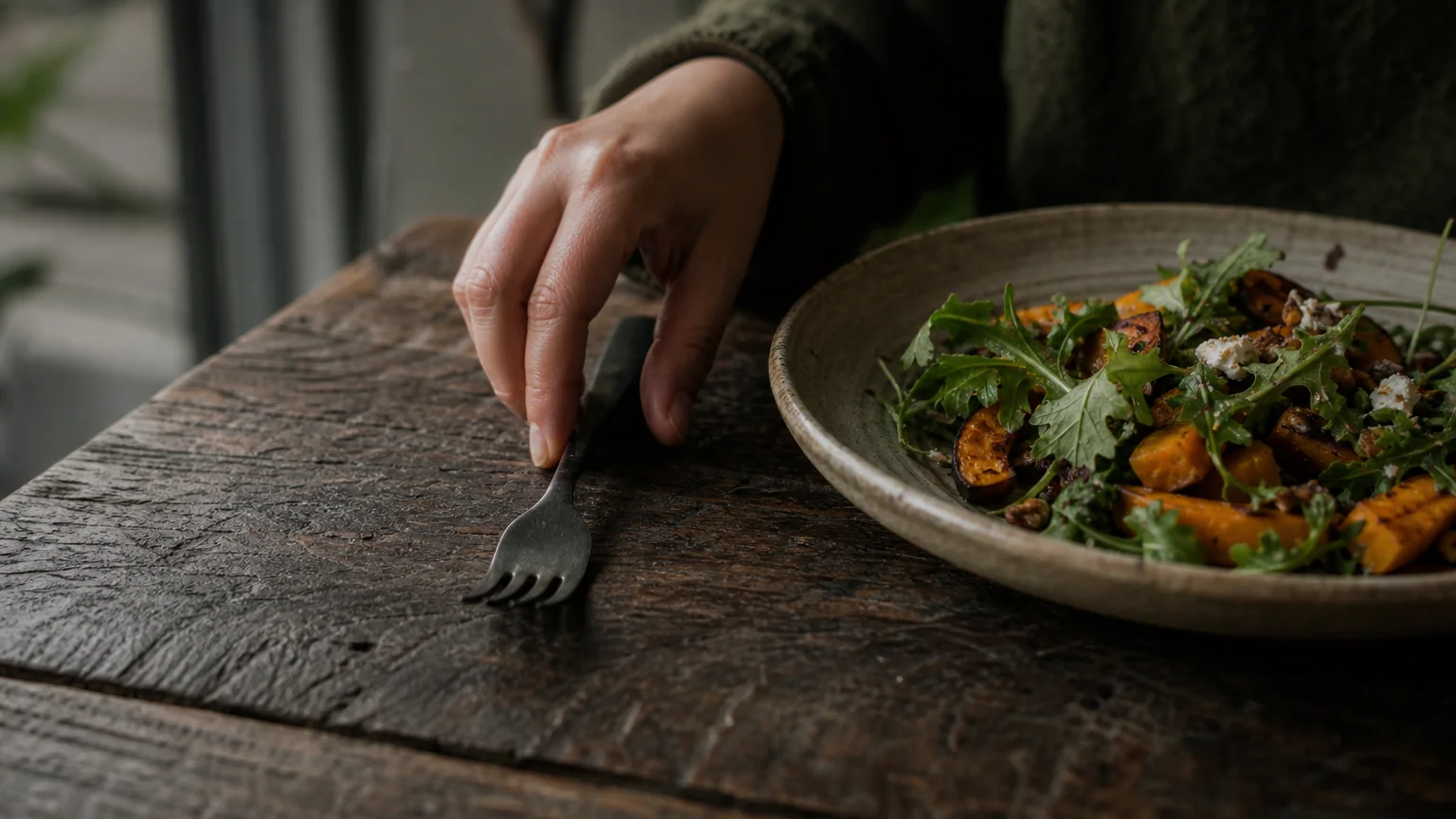
Rushing through meals remains one of the primary culprits behind digestive distress. When you eat quickly, you swallow significant amounts of ambient air—a condition medically known as aerophagia. This trapped air travels into your stomach, creating immediate pressure. Digestion physically begins in your mouth. Your saliva contains the enzyme amylase, which actively breaks down complex carbohydrates before they ever reach your stomach. By chewing each bite thoroughly until it reaches a liquid consistency, you ease the mechanical burden on your stomach and reduce the amount of undigested food that ferments later in the gastrointestinal tract. Registered dietitians from the Academy of Nutrition and Dietetics frequently recommend putting your fork down between bites to pace yourself. This simple, actionable shift limits swallowed air and allows your brain time to register satiety, preventing the overeating that often exacerbates bloating.
Trick 2: Identify and Moderate Fermentable Carbohydrates
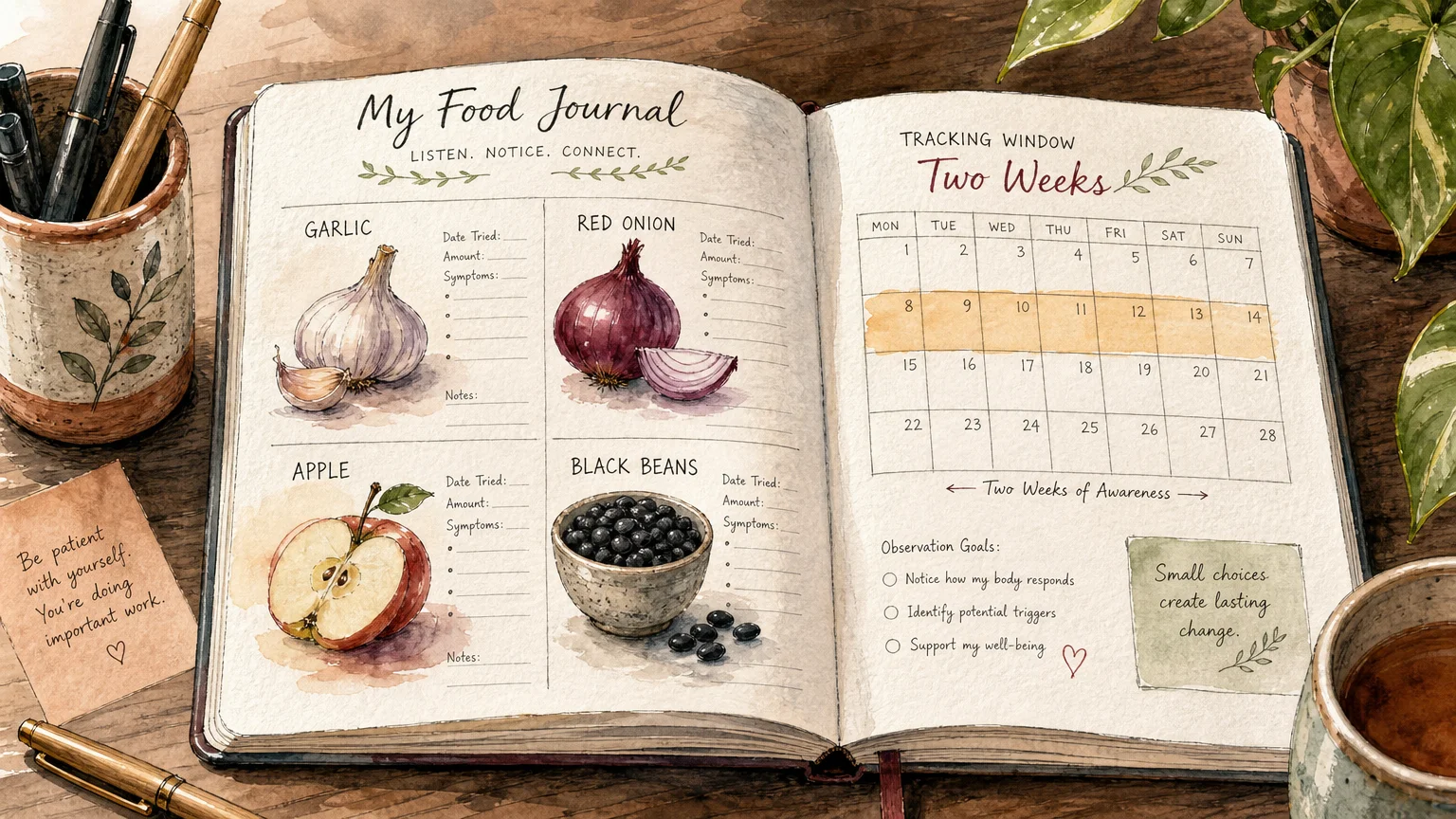
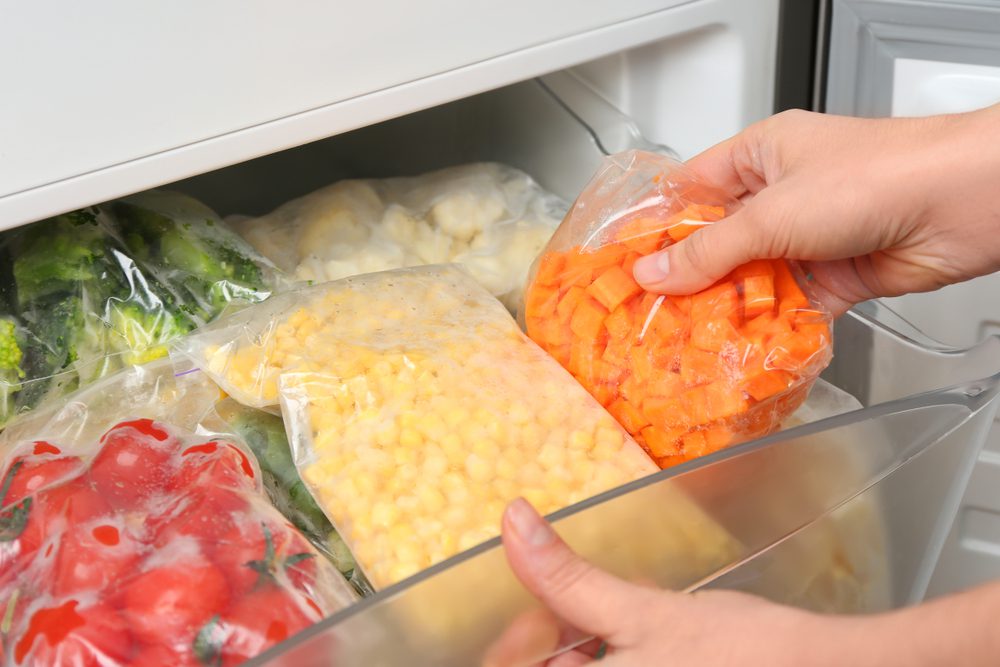
Certain carbohydrates bypass digestion in the small intestine and travel directly to your colon, where they encounter hungry bacteria. As these bacteria consume the undigested food, they produce gas as a natural byproduct. Researchers classify these highly fermentable carbohydrates under the acronym FODMAPs. Common sources include garlic, onions, apples, wheat, and certain dairy products. You do not need to eliminate these nutrient-dense foods entirely, but identifying your specific triggers provides immediate bloating remedies. Try maintaining a detailed food and symptom journal for two weeks. If you notice a clear pattern between consuming black beans and experiencing severe gas, you can experiment with portion sizes to improve digestibility. For those struggling to pinpoint triggers, consulting the Monash University FODMAP guidelines offers a scientifically rigorous framework for identifying problem foods. Because access to fresh produce varies, remember that canned or frozen alternatives work perfectly when testing different food categories.

Trick 3: Leverage Gentle Movement After Meals
Remaining sedentary immediately following a heavy meal allows gas to pool and stagnate in your digestive tract. Engaging in gentle, low-intensity movement after eating accelerates gastric emptying and stimulates peristalsis—the wave-like muscle contractions that move food through your intestines. You do not need an intense workout; rigorous exercise right after eating diverts essential blood flow away from your gut and worsens cramping. Instead, take a casual fifteen-minute walk around your neighborhood. If mobility issues or neighborhood safety restrict your ability to walk outside, you can achieve similar results through gentle indoor stretching or seated torso twists. The key involves staying upright and gently engaging your core muscles to help trapped air navigate the bends of your large intestine. Consistent post-meal movement acts as a highly effective, free strategy to reduce gas naturally.
Trick 4: Cultivate a Calm Nervous System for Digestion
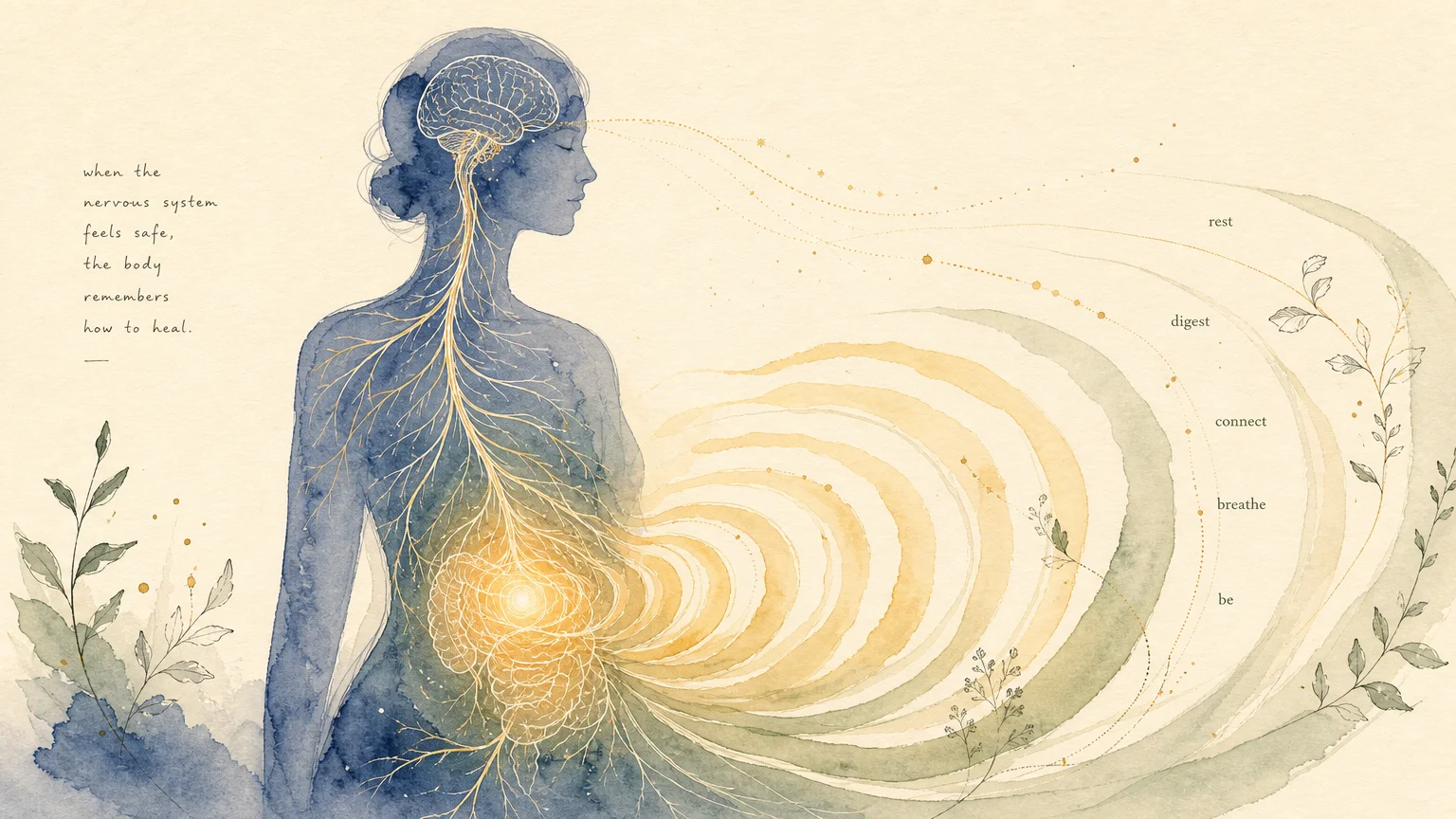
Your brain and gut maintain constant communication through the enteric nervous system. When you experience chronic stress or anxiety, your body enters a sympathetic fight-or-flight state. This biological response intentionally slows down digestion to conserve energy for perceived immediate threats. Food sits longer in your stomach, fermentation increases, and you experience heightened gas production. To achieve genuine stomach gas relief, you must actively signal to your body that it is safe to digest. Practicing diaphragmatic breathing before meals shifts your nervous system into a parasympathetic rest-and-digest state. Sit comfortably, place one hand on your abdomen, and take a slow breath in through your nose, feeling your stomach expand outward. Exhale completely through your mouth. Repeating this breathing pattern five times before taking your first bite dramatically improves how your gastrointestinal tract handles incoming meals. Deep, rhythmic breathing inherently massages your internal organs, promoting better blood flow to your digestive tract and easing visceral tension.
Trick 5: Optimize Your Hydration Strategy
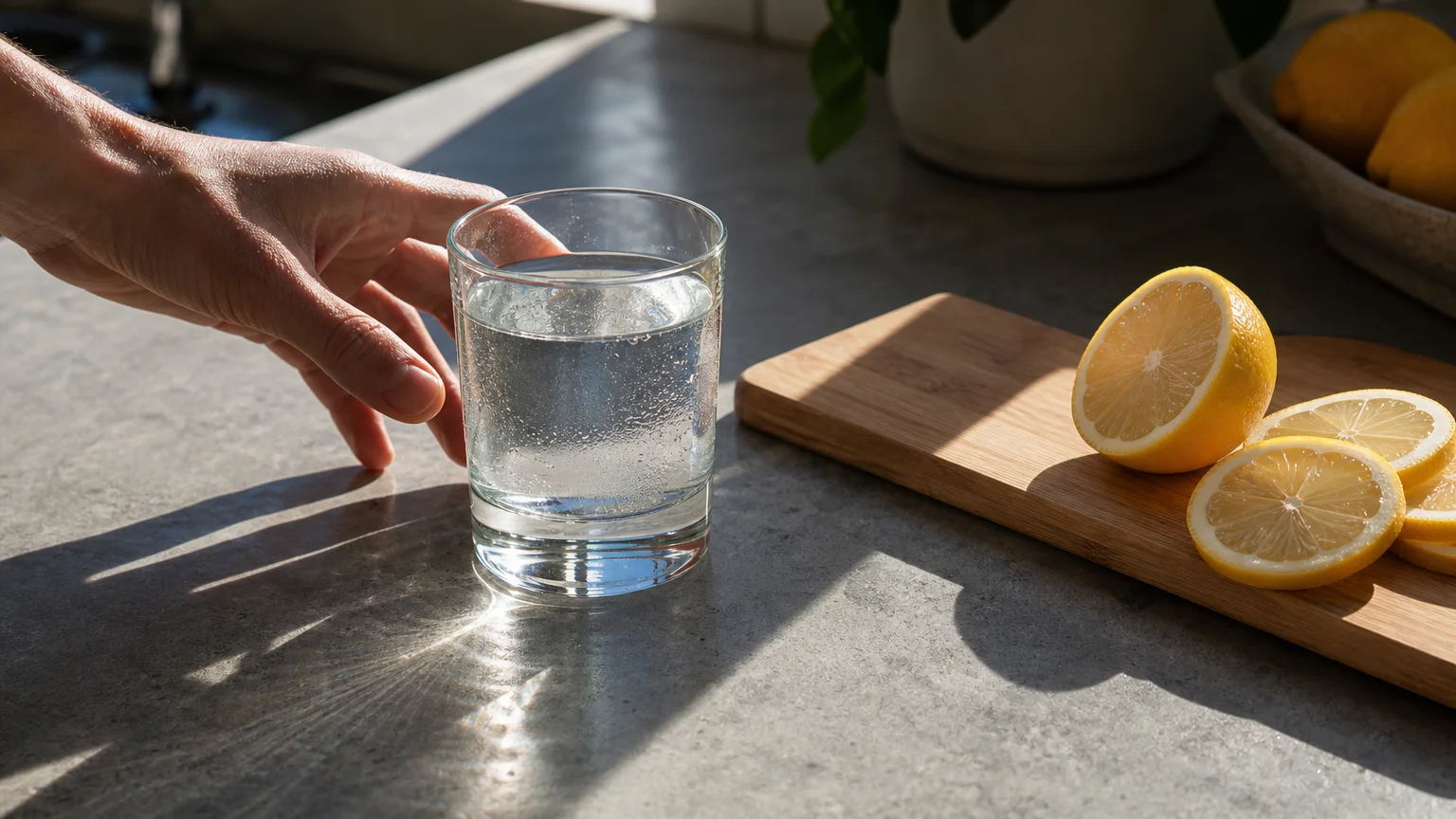
Proper hydration keeps food moving swiftly through your digestive tract, preventing the constipation that routinely leads to severe bloating. When stool lingers in your colon, bacteria have more time to ferment the waste, generating excessive gas. Drinking adequate water ensures that the soluble fiber in your diet forms a soft, easily passable gel rather than a hardened blockage. Timing your fluid intake matters just as much as volume. Chugging large glasses of water during a meal dilutes your stomach acid and digestive enzymes, potentially hindering the breakdown of complex proteins and carbohydrates. Aim to consume the bulk of your daily water intake between meals rather than during them. Sip small amounts of room-temperature water while eating to assist with swallowing, but save the heavy hydration for at least thirty minutes before or after you dine. This strategic approach maintains vital internal lubrication. When you consume water consistently throughout the day, you also support the mucosal lining of your intestines, which serves as a vital protective barrier against inflammation.
Trick 6: Integrate Specific Carminative Herbs
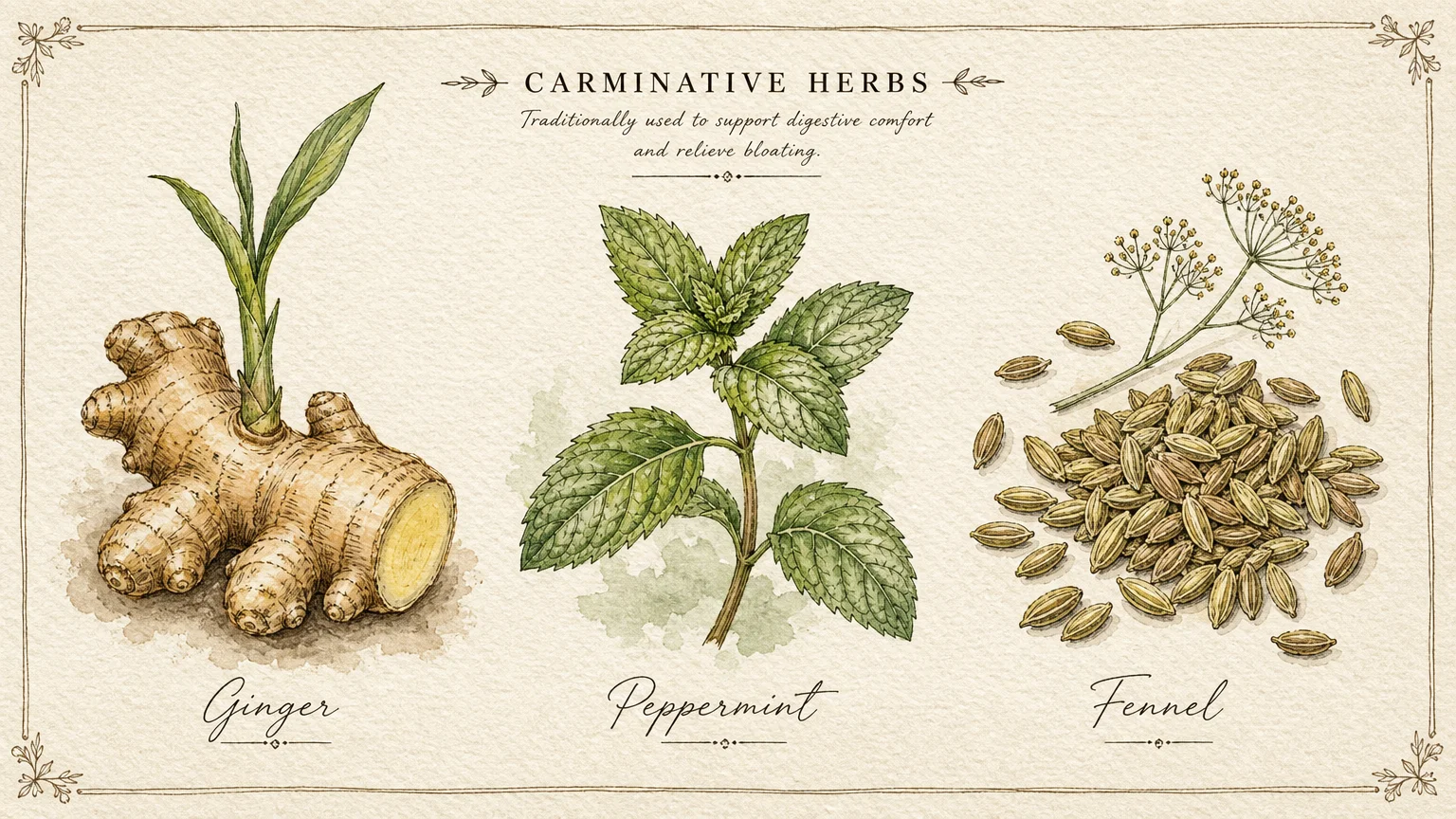
For centuries, traditional medicine has utilized specific plants to soothe gastrointestinal distress, and modern clinical research now validates many of these historical practices. Carminative herbs contain volatile oils that actively relax the smooth muscle tissue lining your digestive tract. This relaxation prevents spasms and allows trapped gas to pass smoothly. Peppermint oil serves as one of the most thoroughly researched carminative agents; studies demonstrate its remarkable ability to reduce abdominal pain and bloating associated with functional gut disorders. Ginger accelerates gastric emptying, preventing food from lingering and fermenting in the upper digestive tract. Fennel seeds offer another powerful option; chewing a small spoonful of fennel seeds after a heavy dinner traditionally helps prevent nighttime gas buildup. Incorporate these botanicals by brewing peppermint or ginger tea in the evening. Always consult a professional before introducing concentrated herbal supplements, ensuring they do not interact with your current medications.
Trick 7: Consult Medical Care for Persistent Symptoms
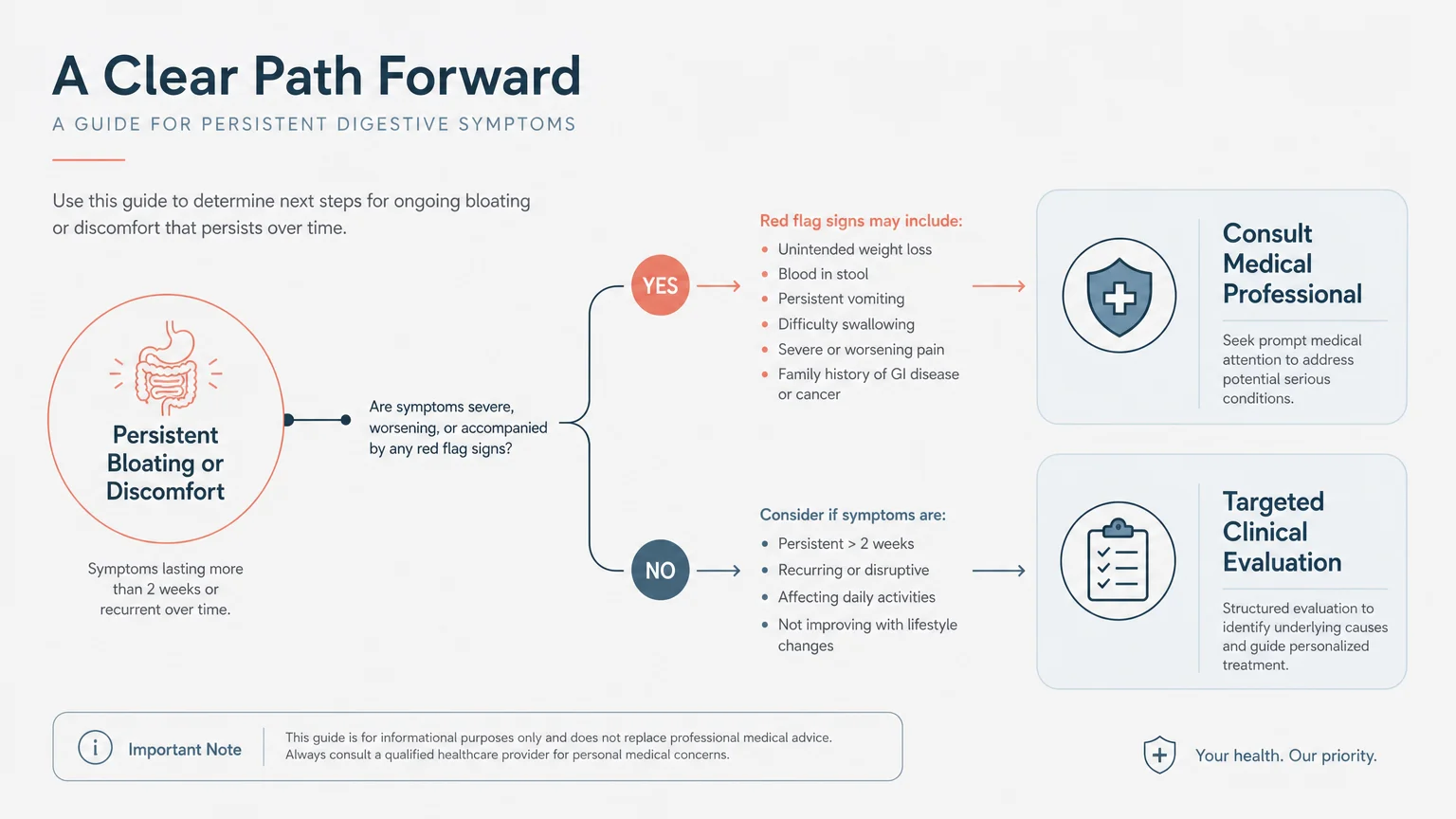
While lifestyle and dietary adjustments resolve the vast majority of digestive complaints, persistent symptoms demand professional medical evaluation. You should never accept chronic, agonizing pain as a normal part of life. Gastrointestinal distress sometimes indicates conditions like celiac disease or inflammatory bowel disease. Dr. Sarah Robbins, a gastroenterologist and nutrition specialist, frequently reminds her patients that while passing gas is completely normal, pain that disrupts your daily life is not. Working closely with a primary care physician or a registered dietitian allows you to develop a personalized treatment plan based on clinical evidence. You can find qualified professionals in your area by consulting the American College of Gastroenterology patient directory. Addressing systemic health issues requires a team approach, particularly when structural barriers, such as lack of insurance or limited access to specialized care, make navigating the healthcare system challenging. Advocate fiercely for your long-term digestive well-being.
Frequently Asked Questions About Digestive Health
Why do I experience more bloating as I get older?
Many individuals notice a distinct increase in digestive sensitivity and gas production as they age. This shift occurs due to a natural decline in the production of stomach acid and crucial digestive enzymes, including lactase. Without sufficient enzymes, your body struggles to break down complex proteins and dairy products efficiently. Consequently, larger amounts of undigested food reach the colon, providing a massive fuel source for gas-producing bacteria. Additionally, age-related changes in muscle tone can slow down gastrointestinal motility.
Are carbonated beverages actually bad for digestion?
Carbonated beverages directly introduce significant volumes of carbon dioxide gas into your upper gastrointestinal tract. When you consume sparkling water, soda, or beer, a portion of that dissolved gas inevitably makes its way past your stomach and into your intestines. If you frequently struggle with excessive gas, swapping carbonated drinks for flat water or herbal teas is one of the most effective and immediate changes you can make to your diet.
How long does it take to see improvements after dietary changes?
The timeframe for experiencing relief varies significantly depending on the specific intervention you apply. Behavioral changes, such as pacing your meals, chewing thoroughly, and taking a post-meal walk, can yield noticeable improvements within a single day. Conversely, dietary modifications—like reducing your intake of fermentable carbohydrates or increasing your soluble fiber—often require several days to two weeks before your gut microbiome adapts to the new nutritional environment. Every individual possesses a unique microbiome, meaning patience and self-compassion are essential as you discover which adjustments yield the best results for your body.
When should I see a gastroenterologist for excessive gas?
You should schedule an appointment with a gastroenterologist or primary care physician if your gas and bloating persistently disrupt your sleep, work, or social life despite implementing conservative lifestyle changes. The presence of significant warning signs requires immediate medical investigation. These red flags include unintended weight loss, chronic nausea, recurrent vomiting, severe abdominal pain, a palpable mass in your abdomen, or any signs of gastrointestinal bleeding.
Taking Your Next Step Toward Digestive Comfort
Navigating digestive discomfort often feels incredibly isolating, but you hold the power to reclaim your physical comfort through intentional, daily actions. You do not need to overhaul your entire lifestyle overnight to experience meaningful improvements in your gastrointestinal health. Start by choosing just one manageable strategy from this guide to implement today. Perhaps you will commit to a ten-minute walk after dinner, or maybe you will focus entirely on chewing your food until it becomes liquid. As you embark on this journey toward lasting digestive relief, remember to listen closely to your body, celebrate the small victories, and seek professional guidance whenever you need targeted support.







Leave a Reply