
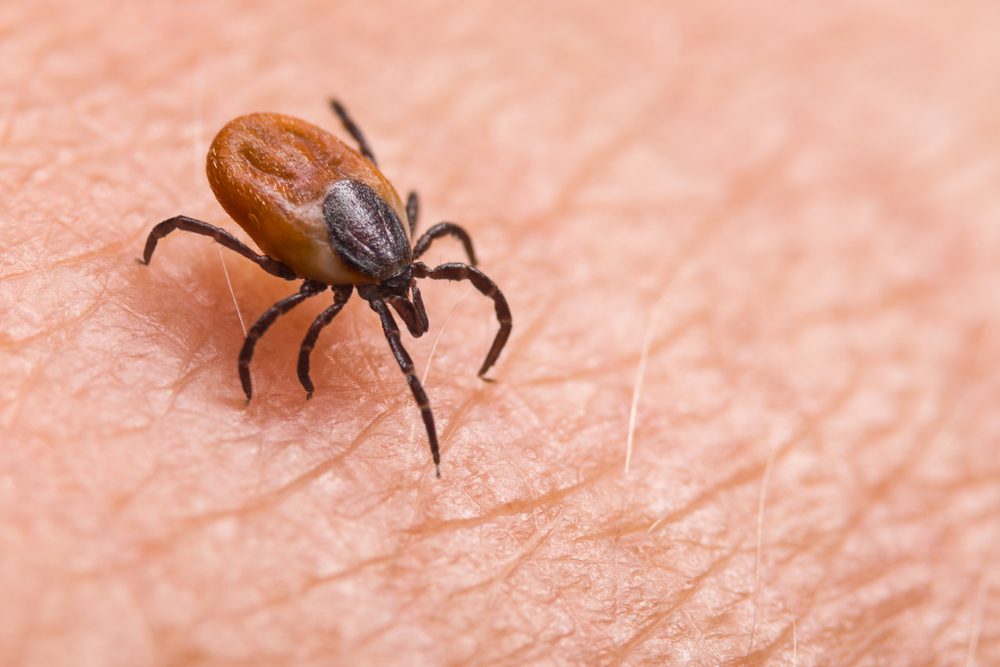
Why are ticks so dangerous?
It’s not a huge issue if you get a lot of bites from small insects seeking their next meal. You see a little red bump, which may or may not be irritating, and you go on. However, if you have a tick, you should be aware of it.
Tick bites are so common that you might consider them to be less dangerous than they actually are. But that is not really the case. Ticks spread a variety of illnesses, some of which are even deadly. Early therapy is usually the key to a complete and quick recovery if you want to avoid further complications.
However, learning how to detect a bite, and how to prevent and control tick bites might help you avoid terrible illnesses including Lyme disease in the future.
Here are the warning signs and symptoms to look for, as well as how to get rid of them at home. So let’s learn more about ticks and find out why doctors are so concerned when it comes to tick bites.
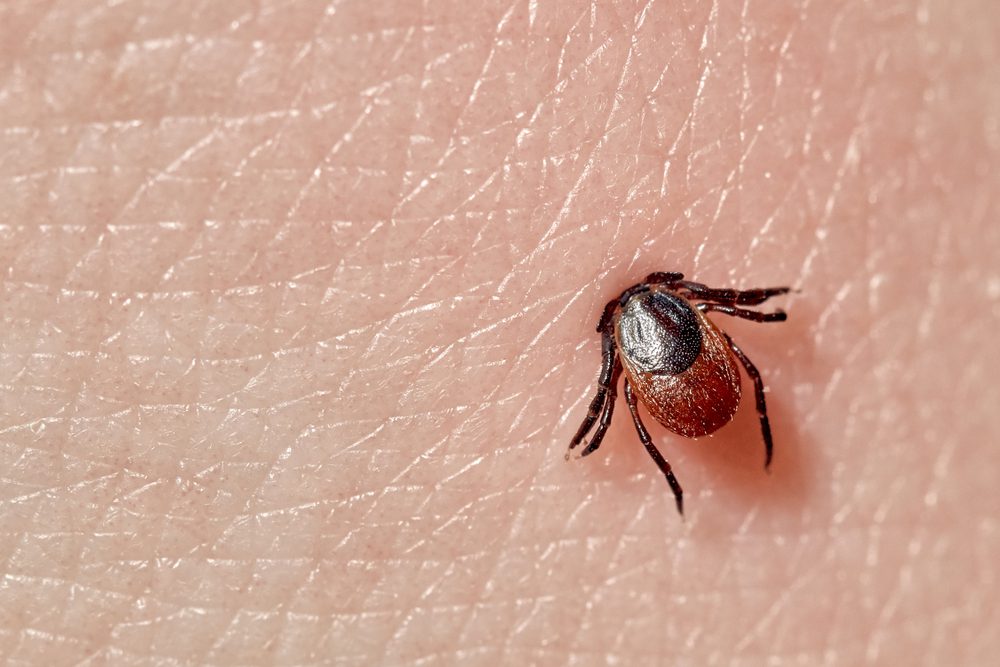
How can you identify a tick bite?
Ticks are tiny blood-sucking insects. They vary in size, especially as they eat more blood, but they generally are the size of a pea. Ticks have a total of eight legs and they are arachnids, which implies they are spiders’ relatives. Ticks also come in a variety of colors, from brown to dark red to black.
Ticks aren’t like other insects that sting you and then fly or move away. When one lands on your skin, it establishes a home base. It seeks for a food source, then digs its head under your skin to begin eating. And it’ll be there for a long time.
There are some parts of your body where ticks are most likely to strike: armpits, the back of the neck, the scalp, your waist, or around the ears. However, this is not always the case, and they can bite anywhere they can. But these should be the first spots you check after a long day outside.
Because the bite doesn’t sting and isn’t generally irritating, you’re unlikely to feel anything. These insects are frequently quite little, so you may not even see them. At first glance, it may appear to be a piece of dirt. It gets bigger as it eats, making it easier to detect.
When a tick bites you, you may develop a little red lump. Ticks cause 1 to 2 inches of inflammation around some people’s bodies.
Why are doctors so worried?
You might find it surprising that doctors are concerned regarding a small tick bite, but the reason why this is dangerous is that you can develop many diseases that are hard to cure or even life-threatening. Here are some of them and how they manifest:
Lyme disease: The majority of patients with Lyme disease get skin rashes, but not everyone does. It might appear anywhere from 3 to 30 days after you’ve been bitten, although it normally takes a little over a week.
Around the tick bite, you’ll see a circular or oval region of redness. It may appear to be a result of the bite initially, but the rash grows worse over extended periods of time. It usually reaches a width of around 6 inches. Although it may feel warm, it is hardly unpleasant or irritating.
Rocky Mountain Spotted Fever: is thought to be one of the most dangerous illnesses you can get from this insect and is very common in the United States. Even though this infection can be treated with antibiotics, the dangers are high, since it can also cause severe injury to the organs, or can even be fatal if not treated as soon as possible.
Of course, you can avoid this complication by taking the right safety measures when in nature, or removing the tick before it is able to do much damage.
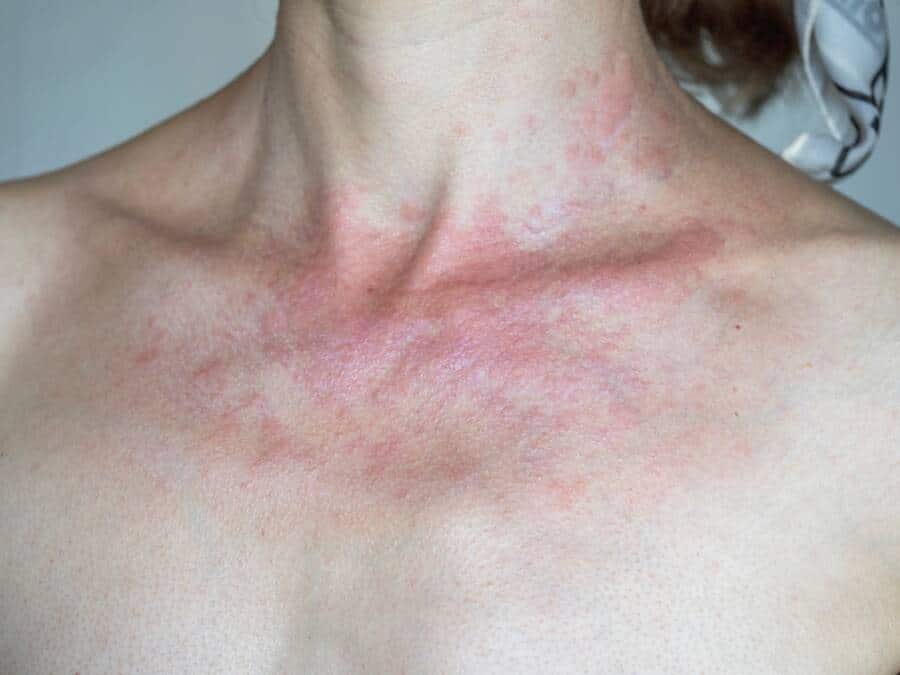
This disease can also cause rashes on the skin or small red spots on different parts of your body, such as ankles, wrists, palms, or feet. This irritation usually manifests a few days after the fever and is likely to spread to your abdomen area as well.
A week after the tick bite, another type of rash can develop. This time, the rash has purple tints and indicates that the disease developed to a more serious stage, so it’s recommended to start treatment as soon as possible.
Tularemia: can be transmitted to humans by coming into close touch with an infected animal or by being bitten by certain insects, including ticks. Tularemia is classified into several types based on how the germs enter a person’s body.
Direct contact with the bacterium causes the most prevalent type of illness. Inhaling the germs causes the most serious type of the condition. Antibiotics are frequently used to treat tularemia. Early intervention increases the chances of a full recovery. Even with medication, some severe instances can be deadly.
How to remove a tick
1. Grab the tick by its head, or as close as possible to the skin
2. Apply constant pressure as you pull vertically and away from the skin and avoid bending or twisting the insect
3. Examine the bitten area to determine whether any of the tick’s parts remained in the affected spot. If this is the case, carefully remove them.
4. Clean the area with water and alcohol
5. Once you removed the insect, put it in alcohol to make sure it’s dead, and take it with you to the doctor to see if it carried a dangerous disease or not.
How to stay away from these insects
The most important thing you should know if you want to prevent coming in contact with these insects is where they are most likely to be. Ticks are most likely to be found in long grassy regions, bushes, and woodland places. They can even be acquired by petting an animal that carries one. When you are fishing, gardening, hiking, or spending time outside, keep an eye out.
But if you are outdoors a lot and want to stay away from tick bites, you can try out this tick-repellent spray from YaYa Organics and enjoy a sunny day in the woods. It’s safe to be used by both kids and adults and it’s only $22.99 on Amazon!
Another great tip is to walk in the center of trails, away from any tree or bush you can brush against. After a long day outside, you should probably check your skin in the areas where tick bites are most likely to occur and take a shower for extra safety.

When to seek medical attention
Careful removal of the tick is important to ensure you don’t experience any complications. So if you have trouble getting it out, it’s better to go to the doctor and have it taken care of by a professional. If you encounter any of the following symptoms, you better get to the hospital right away: rashes, flu-like signs, redness, or yellow fluid coming out of the tick bite.
If you were bitten in an area renowned for dangerous tick-borne illnesses, such as the West or Northeast United States, talk with your doctor right away and closely monitor your symptoms.
Have YOU ever experienced a tick bite? Share your thoughts and experiences in the comment section below!
And if you found this article about tick bites interesting, make sure to also check out: 7 Important Things Your Cardiologist Won’t Tell You.








Leave a Reply