
Are You Experiencing Chest Pain? Don’t Ignore These Signs! A Blood Clot May Be Hiding in Your Body!
Limited or blocked blood flow which can be life-threatening, can be caused by a lot of factors. Blood clots produce different symptoms depending on the body’s side and the place where they form. In case you are often dealing with chest pain, you are most likely to have a blood clot in the heart or lungs. Other symptoms may be shortness of breath, tiredness, and discomfort in the upper body. Sounds familiar?
Are you wondering what causes blood clots and you feel like you may be dealing with one? Keep reading.
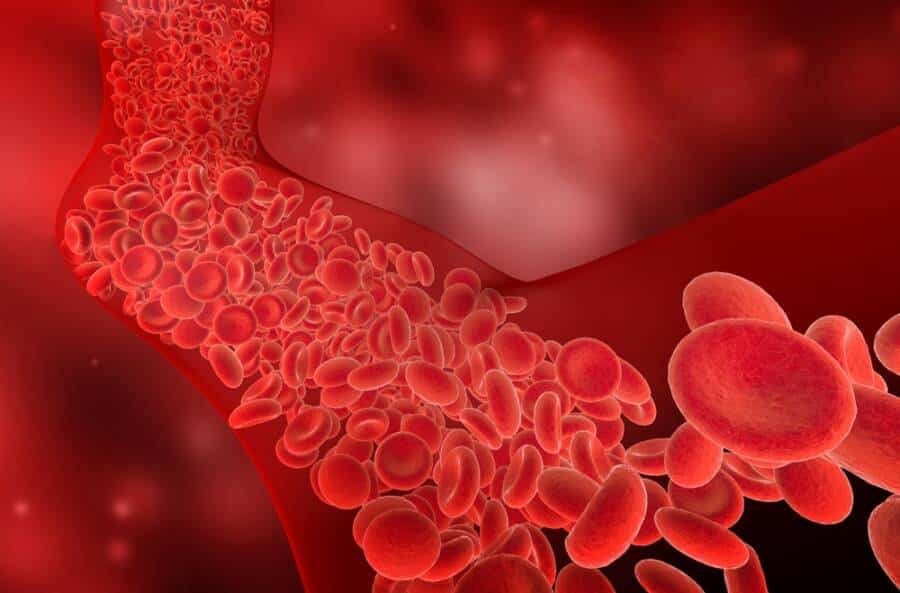
First of all, let’s see what blood clots are. Blood vessels are your body’s highway system and when a blood clot forms it means that some blood has partially solidified. Considering that vessels provide the roads that blood uses to travel from your heart to the rest of your body, you can easily understand how dangerous a blockage can be. We all have 3 kinds of blood vessels:
- Arteries – carry blood away from the heart
- Veins – carry blood back to the heart
- Capillaries – connect arteries and veins
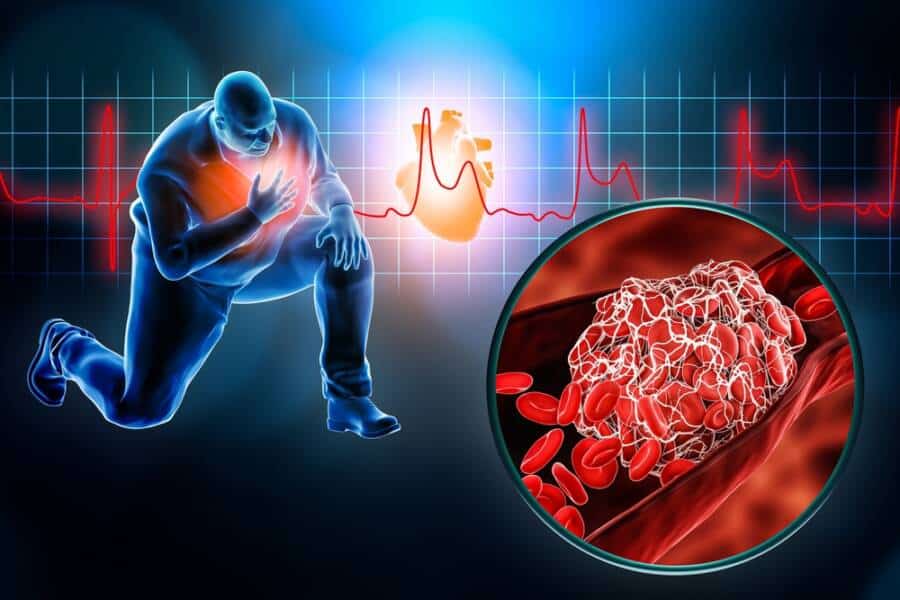
Where do blood clots occur?
Even though blood clots can occur anywhere in the body, they are most likely to happen in veins. Here are the most common cases of venous blood clots:
- Deep Vein Thrombosis (DVT) usually forms in the body’s deep veins, especially in the legs. Thrombosis blocks blood flow.
- Pulmonary Embolism (PE)—If a DVT breaks, it will start to travel inside your body, which is very dangerous. It can travel to your lungs and create a pulmonary embolism.
The good news is that arterial clots are significantly less common. Those kinds of clots are very dangerous because can easily block the oxygen from reaching the heart or brain, leading to a heart attack or stroke.
In case you have an injury or a traumatic body experience during surgery, for example, your body will try to stop the bleeding. Blood clots can also form if your arteries are damaged. The bad news is that sometimes blood clots develop even if we haven’t been through accidents or injuries and there can be a lot of possible reasons behind them. Below, you’ll find some common factors that contribute to the appearance of blood clots in our bodies.
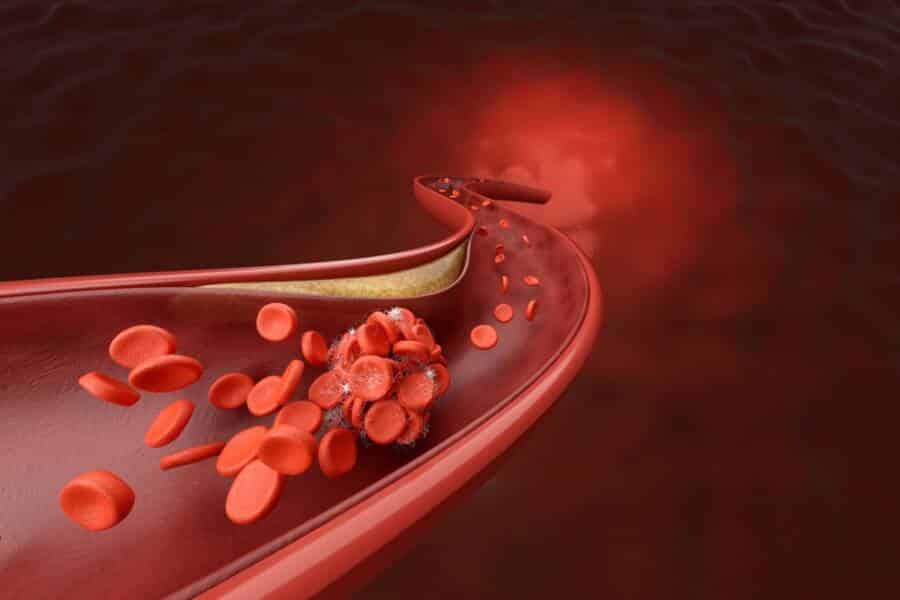
Factors That Influence the Forming of Blood Clots:
- Age: people over 60 are at higher risk
- Blood Clotting Disorder: even if it’s inherited from parents or acquired after birth, it’s still dangerous and represents a risk
- Certain Medical Conditions: diabetes, high cholesterol, hypertension, and atrial fibrillation are some of the medical issues that make some of us more likely to develop blood clots.
- Estrogen: from pregnancy, hormone-replacement therapy, birth control
- Inactivity: having a sedentary life is not healthy at all and promotes the appearance of blood clots.
- Pregnancy: raises clotting factors to control the expected bleeding.
- Smoking: you already know how bad smoking is for the health
Blood Clot Signs
Unfortunately, early signs of blood clots can be hard to identify because everyone has different kinds of symptoms. Here are the most common ones:
Signs of a DVT:
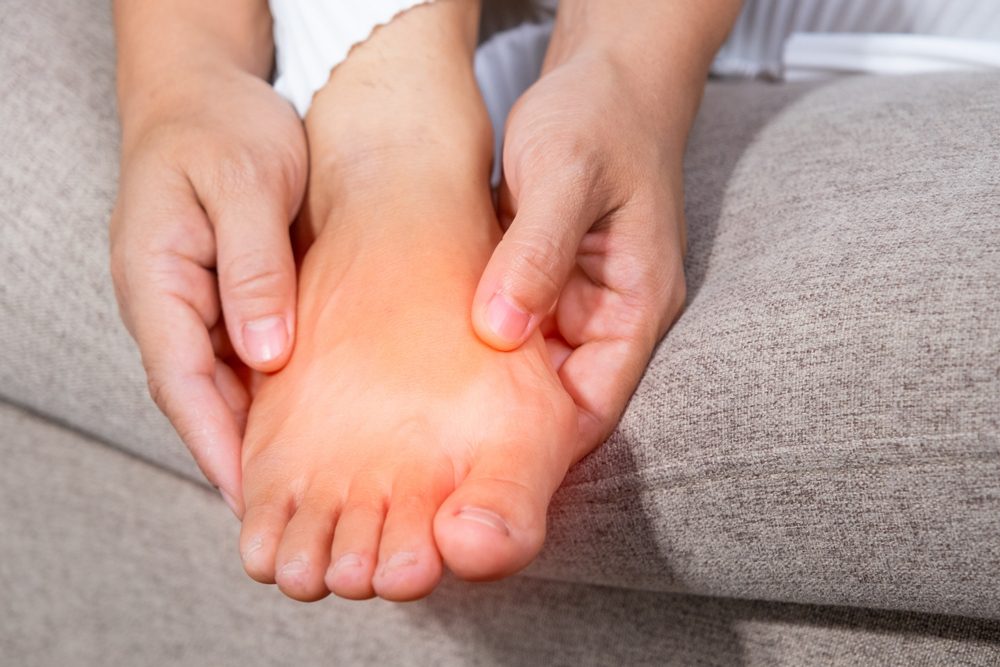
Swelling
Most Americans are dealing with swelling in their legs after a long day at work and it can be considered normal. Pay attention to swelling that occurs suddenly or more dramatically than usual and doesn’t get better with leg elevation.
Leg Pain
Calf pain can signal a blood clot in the leg. So, in case it persists, you should speak to your doctor and follow a treatment. Don’t wait until it’s too late, because as you already read, the clot may travel through the body and cause more dangerous issues.
Varicose Vein Changes
In case you have varicose veins and observe any of these signs, make sure you contact your doctor as soon as possible:
A vein that suddenly hardens, a vein that bulges out and does not flatten, and the skin becomes red and tender around a varicose vein are common signs of blood clots that occur in the legs. If you treat them rapidly, you can literally save your life.
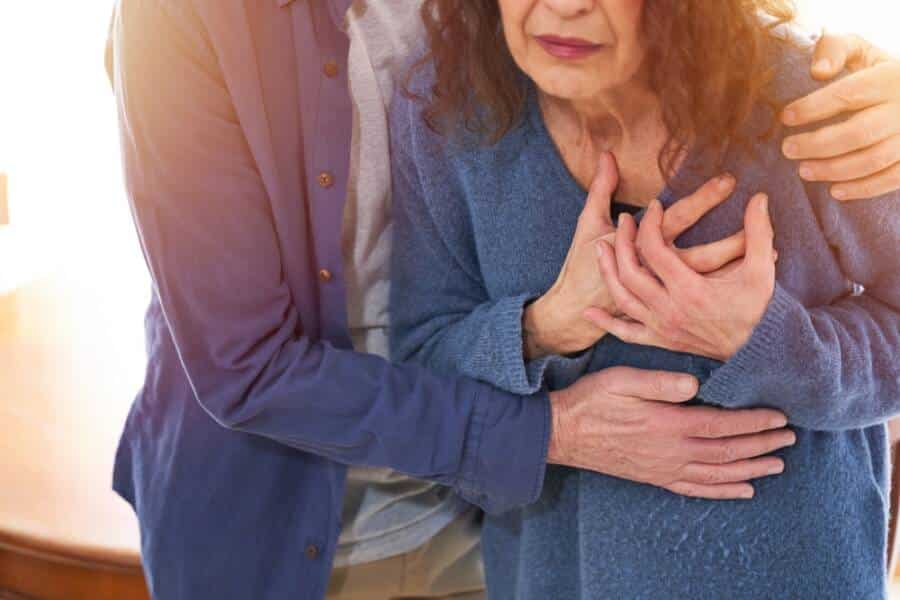
Signs of a Pulmonary Embolism:
Pulmonary Embolism is much worse and it can put your life in danger. Here are the most common signs of a blood clot in your lungs:
Chest Pain
You, for sure, have experienced chest pain in your life and thought that it was a heart attack. All of us have been, at least once, through that kind of emotion. But, yes, chest pain isn’t normal and can indicate a significant issue in the body. Usually, there are two types of chest pain: a constant one or the kind of pain that appears each time you take a deep breath. Both of them can indicate a serious health problem. Dr. Tran says that you may feel a pressure that lasts and a shooting pain that starts in the front of your body and travels to the back.
Shortness of Breath
In case you experience shortness of breath differently than before, it might indicate a blood clot in your lungs. Dr. Tran says that if the feeling lasts for days, you are most likely dealing with a blood clot.
Coughing up Blood
In case you are coughing up blood, make sure you visit your doctor immediately. It’s one of the most dangerous signs and you need to take action as soon as possible.
How Blood Clots Can Be Diagnosed
Some pulmonary embolisms can be life-threatening, so you should go to the nearest emergency room and talk to a doctor about the symptoms you have been experiencing. The doctor will most likely send you to the ER and get a same-day lung scan. A CT scan shows doctors your arteries and is the best way to detect any kind of health issues that imply blood.
In case you think you are dealing with DVT, the location of the suspected blood clot matters. Different leg locations can be more dangerous than the other. If the blood clot is in your calf, your doctor may monitor it with by ultrasounds every two weeks.
However, no matter the type of blood clot, first of all, you need to talk to a professional and establish a treatment plan, because that is the only way you can start your healing process.
Can Blood Clots Be Prevented?
If your doctors tell you that you are at risk of blood clots, the prevention may involve wearing stockings that improve your blood flow or taking anticoagulants to reduce the risks. But that’s not all! Here are other things you can do in order to adopt a healthier lifestyle and help avoid clots:
- Stay active and take regular walks. In case you are working from home, make sure you establish a program that allows you to move as much as possible. Take long daily walks and drink a lot of water. This way, you’ll avoid dehydration which promotes the forming of clots.
- Try to lose weight, in case you are overweight. You can do it by improving your eating habits and by choosing healthy meals instead of junk food.
- Wear flight stockings each time you travel. They can help improve your blood flow for longer flights. A pharmacist can advise you about the best available options.
Are you interested in learning more about this topic? You should also read: 6 Signs a Blood Clot Is Hiding in Your Body Now.

Leave a Reply